For some, blush is a finishing touch. For me, it’s the main character. In a world of endless makeup trends and beauty hacks, one method has earned a permanent place in my routine: layering multiple blushes. It’s the secret behind a flush that lasts from sunrise to last call—and yes, I’ve been known to carry three formulas in my bag at all times. Here’s why I swear by this technique, and how you can master the art of the blush cocktail, too.
Blush is more than a pop of color—it’s a personality
Let me start with a confession: I am unreasonably committed to blush. If I were stranded on a desert island with access to only one beauty product, I wouldn’t pick mascara, concealer, or SPF (regretfully). I’d pick blush—ideally three of them.
What started as a TikTok-inspired beauty curiosity has become a deeply personal ritual. I’ve fallen down the rabbit hole of “grunge eyeliner” tutorials and “how to make your makeup last 12 hours in 95-degree heat” videos, but no trick has had as much staying power in my life as this one: layering blushes.
Yes, plural. While many people swipe on a single shade and move on, I consider blush an evolving moodboard. The exact combination changes daily—depending on the season, my outfit, or even my fragrance—but the formula remains the same: one base, one color enhancer, and one glow-giver. Think of it as mixing a signature cocktail for your face.
Where the magic began: celebrity secrets and TikTok wisdom
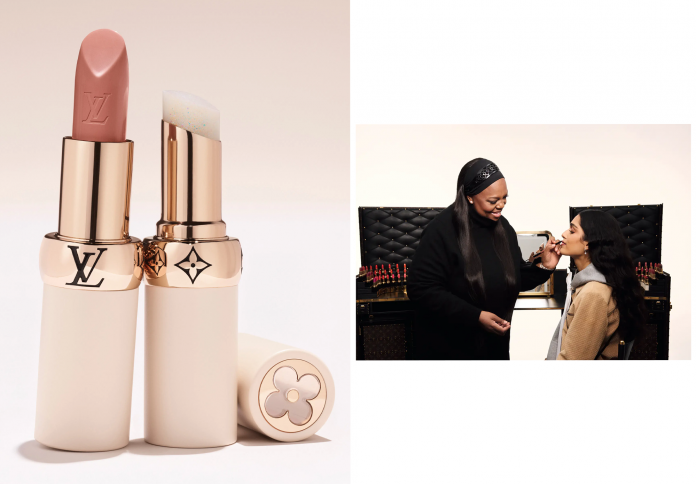
I first encountered this idea while talking with celebrity makeup artists. Despite the common techniques most artists share, the one thing that varies wildly from person to person is blush application. Some artists favor creams, others love powder. Some swear by applying blush only on the apples of the cheeks, while others sweep it toward the temples for a lifted effect. But one trick that stuck with me came from none other than Patrick Ta.
Years ago, Ta told me to reverse the usual blush order: apply powder first, then dab cream on top. While this might go against every setting-powder instinct we’ve developed, the logic is surprisingly solid. The powder adds pigment and staying power, while the cream adds dew and dimension. The result? A finish that looks like skin—only better. This tip was so integral to his philosophy that he built an entire product around it: the Major Headlines blush duos, which pair powder and cream versions of the same shade side-by-side.
This flipped routine instantly changed how I approached blush. Where I once relied on a single formula to do it all, I began viewing each type—powder, cream, gel—as playing a different role. Powder locks in structure and saturation. Cream mimics the way skin flushes naturally. Gel or liquid textures give that lit-from-within glow. The more I layered, the more alive my skin looked.\
My personal blush layering method
While the products rotate with my mood, there’s a reliable system I follow:
- Step one: Base pigment
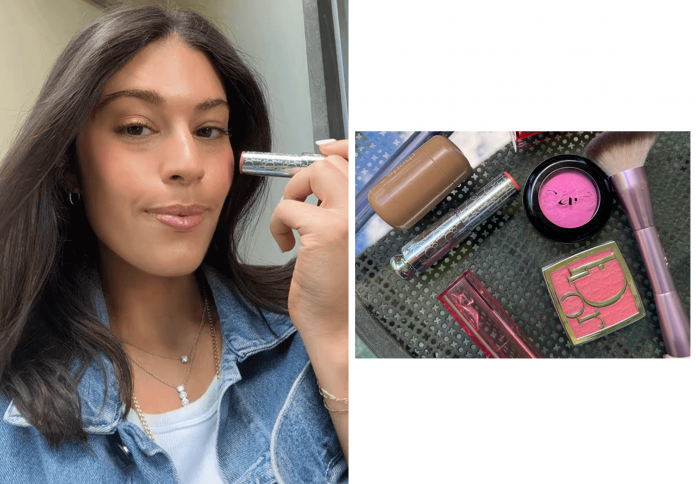
I start with a powder blush to lay down structure and set the foundation. I tend to go with something soft and buildable, like Westman Atelier Baby Cheeks in Petal or even a classic NARS Orgasm. Applied with a fluffy brush, this sets the stage. - Step two: Cream for dimension
Next, I press a cream blush on top, focusing more centrally on the cheeks. Right now, I’m loving Rhode’s Spicy Marg—an unapologetic coral that adds a juicy brightness without looking fake. The creamy texture breaks up the powder and softens edges, making the whole thing look more like skin than makeup. - Step three: Glow amplifier
Finally, I reach for a more luminous formula—often a gel or balm, sometimes even a cream highlighter with a hint of tint. This gets dabbed on the highest point of the cheek and blended slightly into the blush. It’s less about color and more about catching the light.
The effect is dynamic. My face doesn’t just look “blushed”—it looks warm, fresh, alive. And despite the layers, it never feels heavy. It lasts, too. By stacking pigment and emollient textures, I’m left with a flush that survives a full workday, coffee runs, a sweaty commute, and drinks after dark.
Blush as an accessory—and a statement
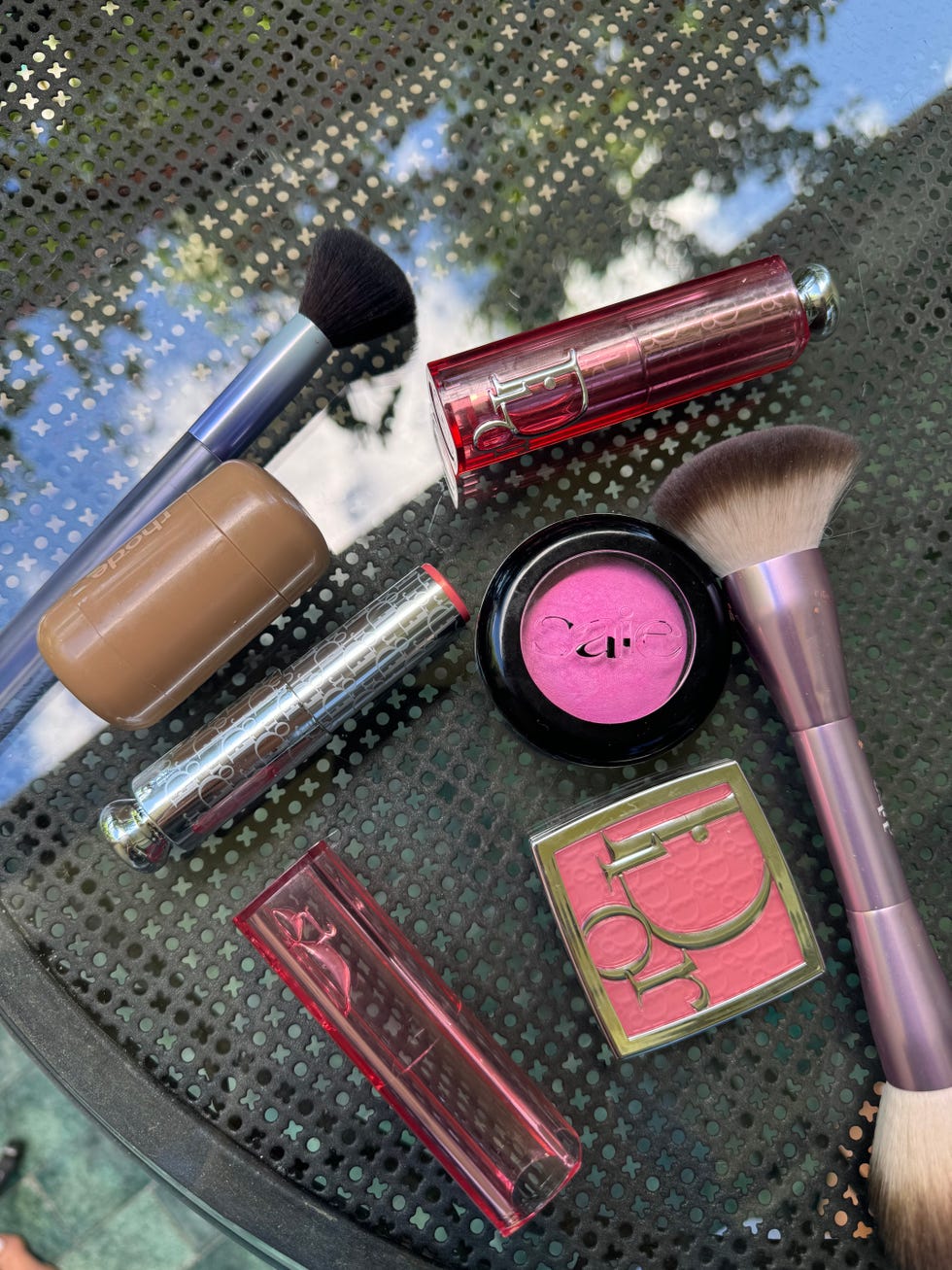
Some people pick out blush based on skin tone or face shape. I pick mine like I pick jewelry or perfume. Am I feeling flirtatious and glowing? That’s a coral day. Want to feel chic and sculpted? Dusty rose it is. Feeling experimental? I’ll swipe on a berry or even a near-red shade. Each hue adds a new mood, and each layer builds complexity.
And while the formulas may be designed for cheeks, I often let them wander—across eyelids, the bridge of the nose, even a bit on the chin or forehead to create a cohesive, sun-kissed finish. That’s the beauty of blush: it’s both color and contour, mood and message.
Final thoughts: don’t be afraid to layer
If you’ve only ever used one blush at a time, I challenge you to try layering. Start with two. Use a cream and a powder in the same color family. Apply one, then the other, and blend them together until you can’t tell where one ends and the other begins. Then, if you’re feeling bold, try a third—something sheer and radiant to bring it all to life.
In a makeup world increasingly obsessed with minimalism, this might sound excessive. But for me, it’s less about being “extra” and more about honoring how dynamic and expressive our faces are. A single blush can be beautiful. But a trio? That’s poetry. So yes, I’m always wearing three different blushes. And no, I’m not sorry.