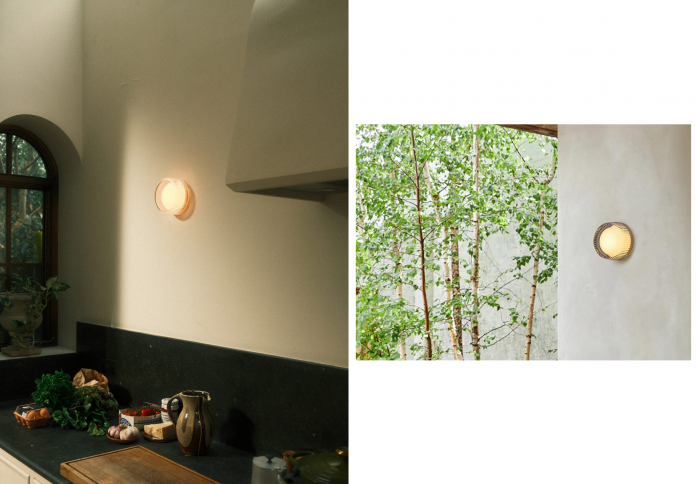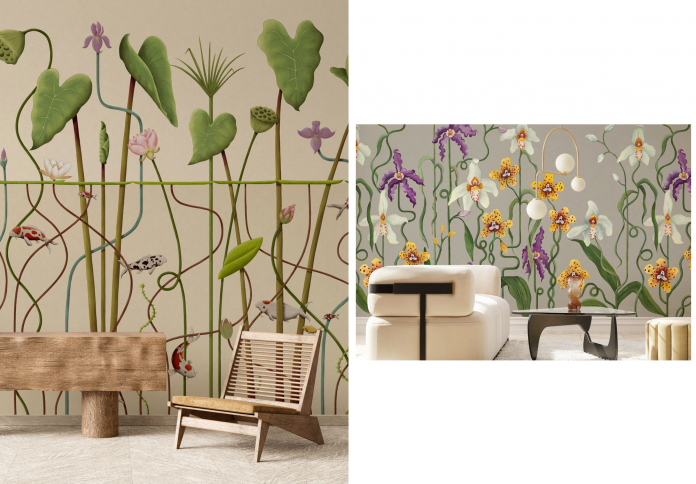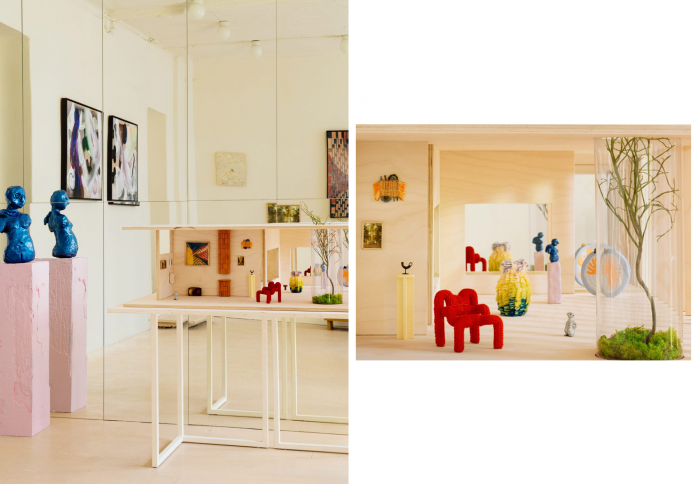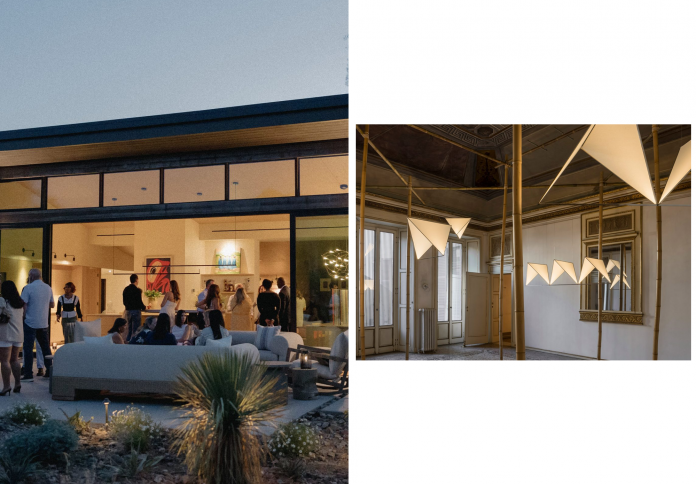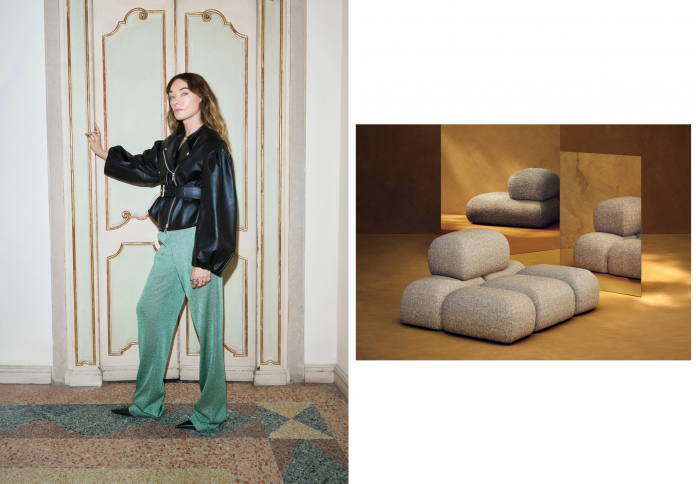
The intersection of high-concept interior design and accessible retail has long been a pursuit for industry visionaries, but few have navigated this space with the singular focus of Kelly Wearstler. For her latest partnership with H&M Home, unveiled against the vibrant backdrop of Milan Design Week 2026, Wearstler has orchestrated a collection that transcends the “fast-decor” stigma. Instead, she presents a cohesive, tactile narrative built on the principles of refined eclecticism and global craftsmanship. By utilizing natural materials like travertine, raw brass, and hand-thrown ceramics, Wearstler has effectively democratized the “Wearstler aesthetic,” offering a sophisticated, layered approach to the home that feels both thoroughly contemporary and deeply grounded in the history of design.
The Architecture of Layering
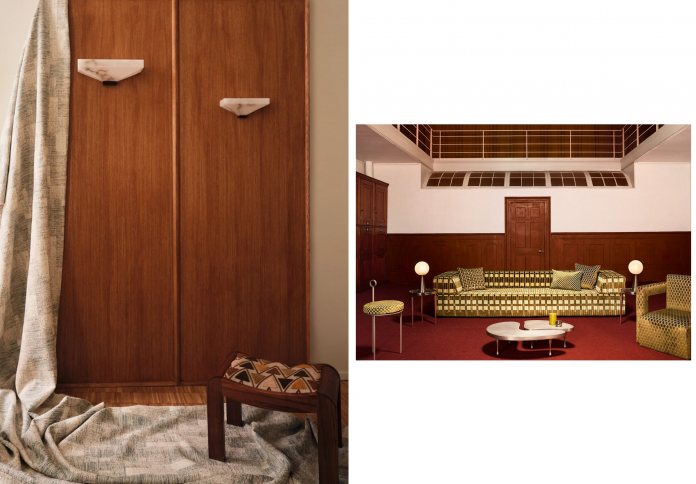
At the core of Wearstler’s design philosophy is the “layering of time”—the belief that a room should feel as if it has been collected over a lifetime rather than purchased in a single afternoon. Her collection for H&M Home reflects this by balancing raw, organic textures with clean, architectural silhouettes. From heavy, sculptural candle holders to linen textiles that feel lived-in and storied, each piece is designed to function as an individual anchor for a space.

This approach is a direct response to the “minimalist fatigue” currently permeating the industry. Where recent years favored a stark, clinical emptiness, Wearstler’s collection introduces a warmer, more human-centric maximalism. She advocates for the “joy of the object,” encouraging users to mix vintage finds with these new, thoughtfully designed pieces. The result is a home that doesn’t feel like a showroom catalog, but rather a space that mirrors the personality and history of its inhabitants.
Democratizing the Luxury Aesthetic
For years, Wearstler has been the architect behind some of the world’s most opulent hotels and residential retreats, known for a bold, fearless use of materiality. Scaling this vision for a mass-market retailer presented a distinct set of challenges, particularly in maintaining the integrity of form and texture. The collaboration, however, succeeds by focusing on the “small moments”—the weight of a ceramic vase, the patina on a brass object, or the weave of a cushion cover—that define the luxury experience without relying on expensive, unsustainable materials.

Wearstler emphasizes that luxury is less about the rarity of the object and more about the intention behind its placement. By providing the building blocks for a well-curated environment, she is effectively teaching a broader audience how to “see” like a designer. The collection encourages users to treat their living spaces as creative studios, constantly shifting and evolving their decor to match their changing moods and the seasonal rhythms of their lives.
A New Direction for Retail Engagement
The launch in Milan served as more than just a product release; it functioned as a sensory manifesto. By creating a physical installation that felt like an immersive, high-end residence, H&M Home shifted the conversation from transactional retail to lifestyle inspiration. This “show-home” approach is becoming increasingly vital in a digital-first world, where the tactile reality of design often gets lost behind a screen.

As we look toward the future of domestic spaces, Wearstler’s collaboration stands as a proof of concept: that accessibility and high design can coexist without dilution. It is a reminder that the spaces we inhabit are the most significant environments we encounter, and that with the right intention and a commitment to the quality of texture and form, every home can become a place of aesthetic refuge. As the collection hits markets worldwide, it signals a move toward a more thoughtful, curated, and inherently personal way of living.