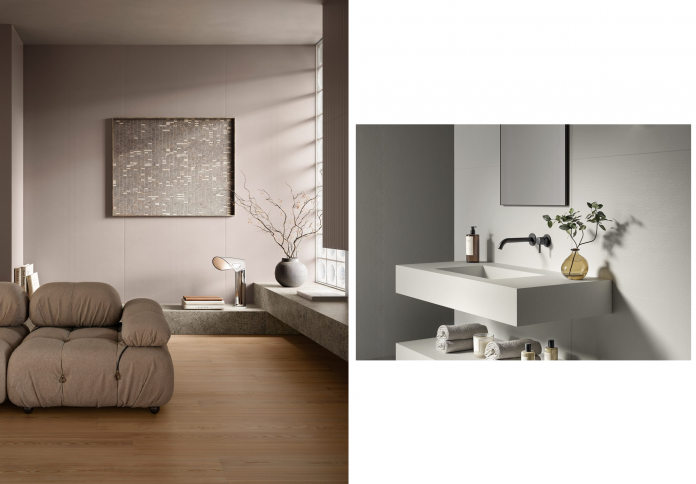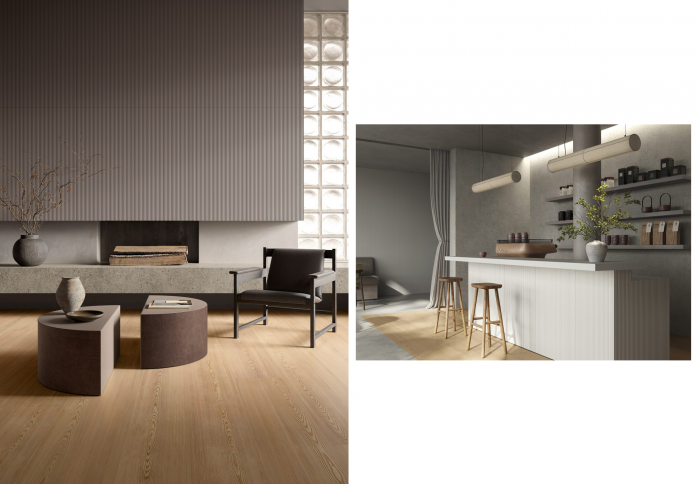
In the evolution of the modern interior, the flat wall has increasingly given way to surfaces that prioritize rhythm, shadow, and tactile engagement. With the introduction of the Canneté collection, Casalgrande Padana has effectively transformed the functional ceramic tile into a sophisticated architectural tool. By utilizing a finely fluted, three-dimensional profile, this range moves beyond simple cladding, offering designers a way to sculpt light across vertical surfaces. It is a refined departure from traditional ceramic finishes, proving that even in the most utilitarian of materials, there is a vast, untapped potential for aesthetic drama. Canneté stands as a testament to the idea that our environments should not merely be “finished,” but felt.
Sculpting Light and Shadow
The defining characteristic of the Canneté tile is its precise, slatted surface geometry. When installed, these vertical flutes catch ambient light, creating a series of shifting, rhythmic shadows that change in intensity depending on the angle of illumination. This interplay of light and shade adds a sense of depth and architectural movement that a standard flat tile simply cannot achieve. It allows a wall to shift from a subtle, textural backdrop during the day to a dramatic, linear feature at night, providing the space with a dynamic visual identity that evolves over time.

This focus on the “architectural” aspect of the tile makes Canneté particularly effective for feature walls, room dividers, or the bespoke cladding of counters and columns. By introducing a sense of order and structure through its repeating pattern, the tile brings a sophisticated, balanced energy to a room. It is a design solution that manages to be both striking and understated, offering the visual interest of a high-end decorative element while maintaining the clean, minimalist lines favoured in contemporary design.
Modular Harmony in the Domestic Sphere
A core strength of the Canneté collection is its seamless integration into the broader Casalgrande Padana ecosystem. Specifically engineered to work in tandem with the flat tiles from the “Elements Texture” range, Canneté acts as the “rhythmic counterpart” to a smoother surface. This modularity allows architects and interior designers to compose complex, layered wall designs—mixing flat sections with fluted ones to highlight specific architectural features or to define zones within an open-plan space.

The palette of six neutral, earthen tones—ranging from the crisp clarity of White and Grey to the warmth of Tobacco and the grounded weight of Antracite—ensures that the material feels cohesive across diverse applications. Because these tiles are crafted from high-performance porcelain stoneware, they offer the durability required for both residential and high-traffic commercial environments. Whether used to define a bathroom vanity or to lend texture to a minimalist living room, the tiles provide a consistent, high-quality aesthetic that feels both deliberate and timeless.
The Future of Tactile Architecture
As we move toward a future where our domestic and professional environments are expected to do more—to be healthier, more inspiring, and more adaptable—the choice of surfacing materials has never been more critical. Casalgrande Padana’s approach with Canneté underscores a shift toward “performative aesthetics,” where the material itself contributes to the emotional and sensory quality of the architecture. The tiles are fire-resistant, non-allergenic, and incredibly easy to maintain, ticking the necessary boxes for modern longevity while refusing to compromise on the desire for beauty.

By elevating the humble tile into a three-dimensional, light-responsive object, the collection invites a closer, more tactile interaction with our surroundings. It challenges the “sterile” aesthetic of modern design, suggesting that the most innovative spaces are those that embrace texture, shadow, and the subtle complexities of light. In the hands of a skilled designer, the Canneté collection is not just a building product; it is a canvas, providing a foundational rhythm upon which the entire atmosphere of an interior is built.