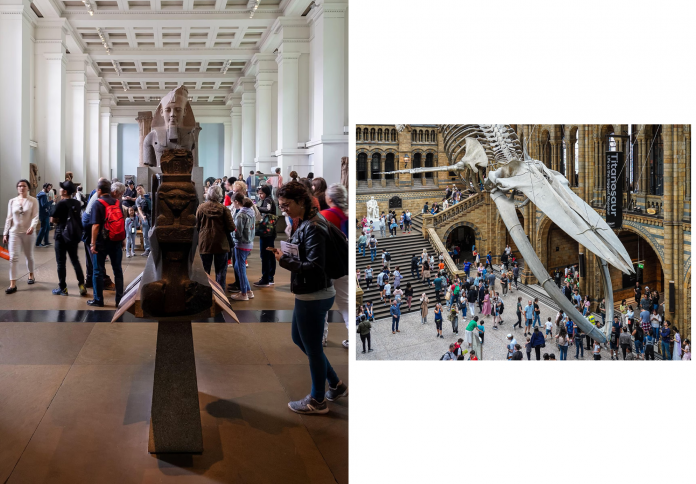
London has long been the global epicenter for the preservation of human history, art, and scientific endeavor. Yet, in 2026, the city’s museum landscape is undergoing a radical evolution. Moving beyond the static “hall of antiquities” model, London’s premier institutions are transforming into dynamic, experiential spaces that blend cutting-edge digital technology with rigorous academic scholarship. Whether through the lens of social justice, interactive storytelling, or architectural reinvention, these museums are no longer just repositories of the past; they are essential forums for debating the future. For the discerning traveler, a journey through London’s museum scene is an exploration of how a metropolis can reinterpret its own global legacy, creating spaces that feel as vital, relevant, and provocative today as the objects they house.
The V&A: Redefining Design and Decorative Art
The Victoria and Albert Museum (V&A) continues to set the gold standard for the decorative arts, but its current focus has shifted toward the intersection of design and social transformation. The museum’s recent refurbishments have opened up expansive, light-filled galleries that emphasize the “anatomical nature” of objects—how they were made, the social conditions of their creation, and their continued influence on modern aesthetics.
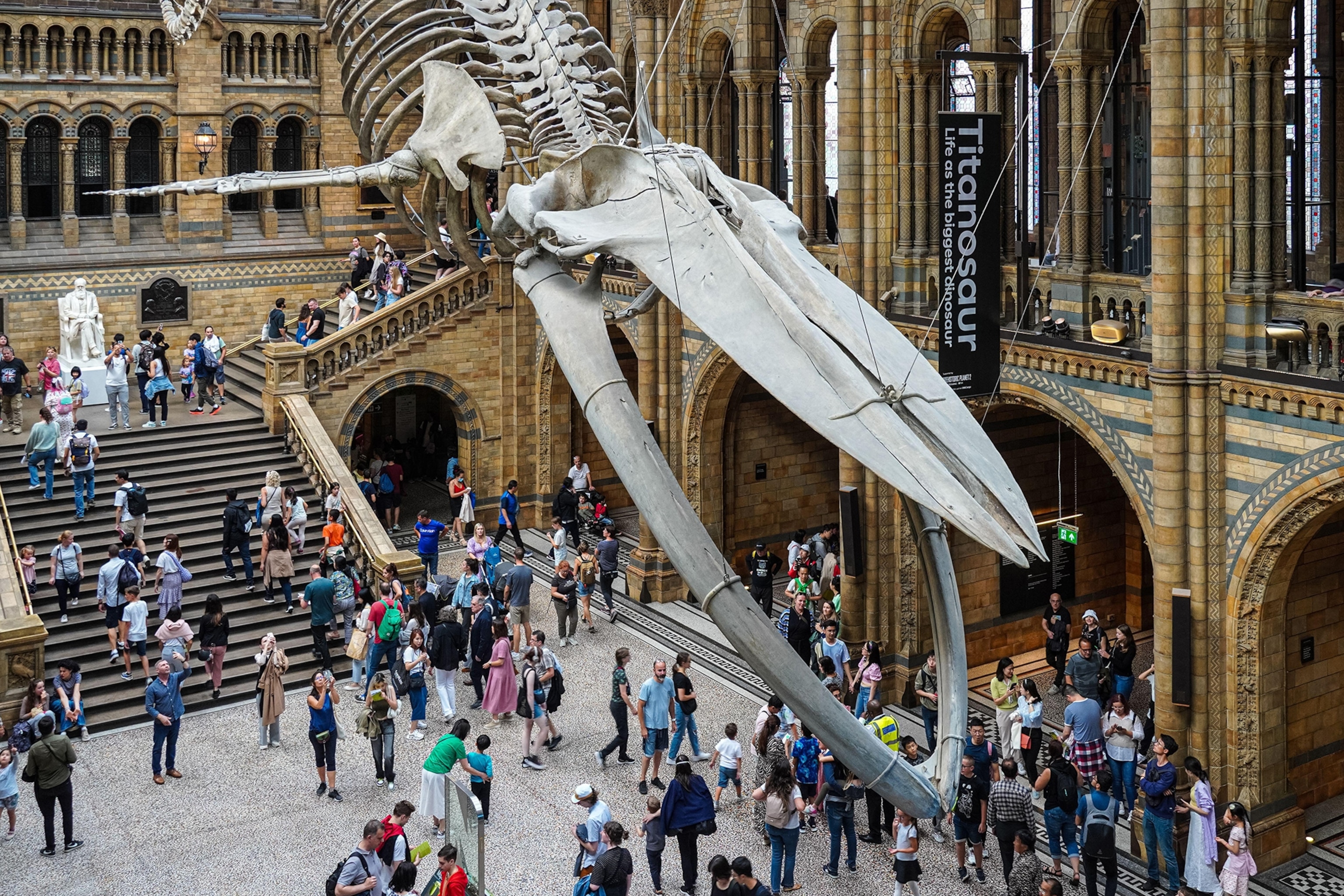
Beyond its iconic fashion and sculpture collections, the V&A’s commitment to “Refined Minimalism” in its curatorial style allows visitors to connect more deeply with the narrative of each piece. From the intricate beauty of Renaissance textiles to the bold, experimental architecture of the 21st century, the museum invites us to look at the designed world not as a collection of static items, but as a map of human ingenuity and desire. It is a space that celebrates the “Mechanical Synergy” of craft and creativity, making it an essential touchstone for anyone interested in the evolution of human taste.
The British Museum and the Architecture of Dialogue
Perhaps no institution has faced the weight of its own history more squarely than the British Museum. In 2026, the museum is in the midst of a transformative phase, reimagining its approach to the display of human history through a lens of transparency and dialogue. The focus has moved toward creating a more nuanced understanding of the provenance and cultural significance of its most debated treasures.
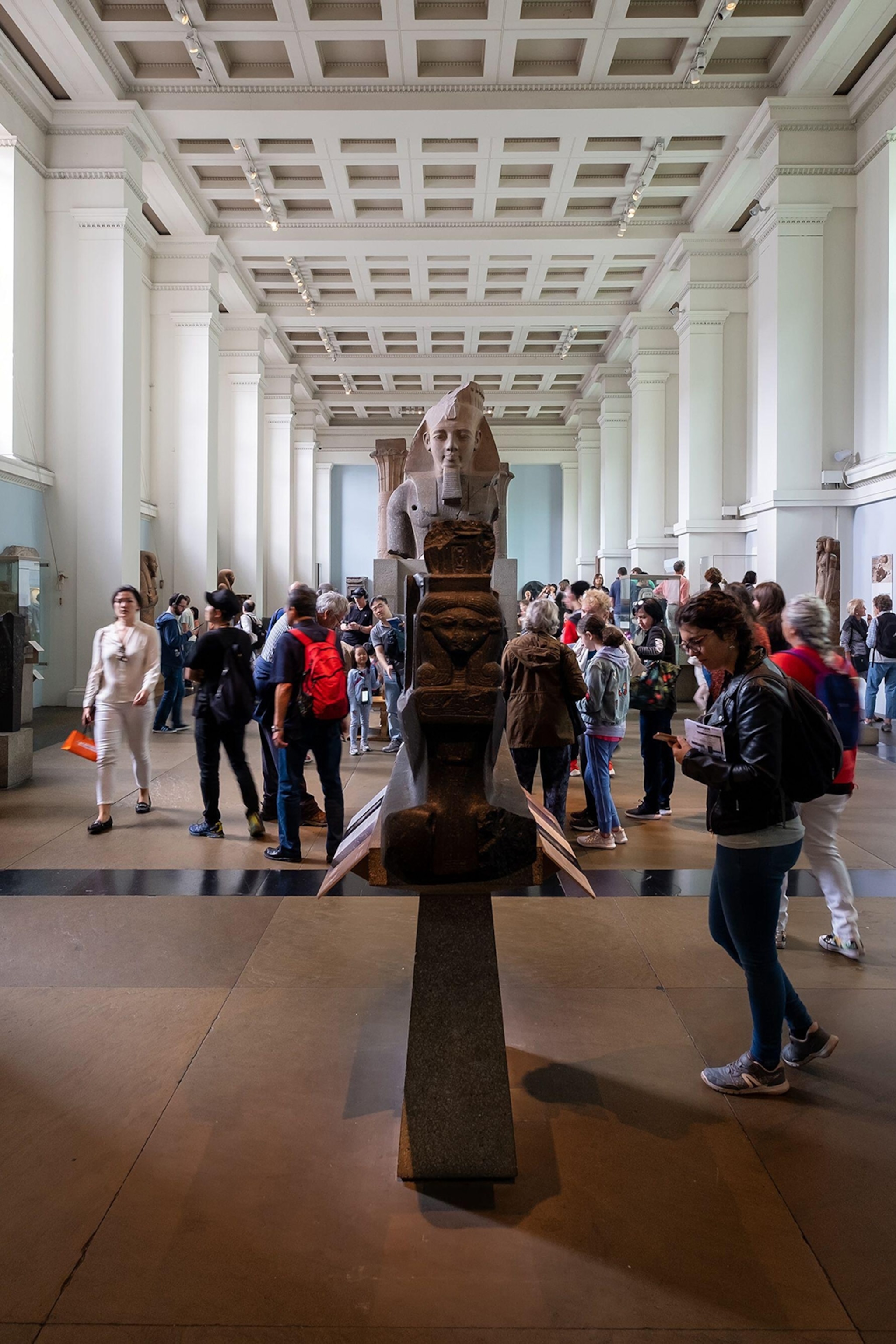
By integrating digital “contextual mapping,” the museum provides visitors with a richer, more multifaceted perspective on the origins and journeys of its global collections. The space remains an architectural marvel—the Great Court’s glass roof continues to be one of the most stunning examples of engineering in the city—but the internal experience is now one of active inquiry. It is a place that challenges the visitor to consider the ethics of collection, turning the museum into a site of international reflection on the meaning of ownership and heritage in a globalized world.
The Tate Modern: Noir-Avant Perspectives on the Modern Age
The Tate Modern has firmly cemented its reputation as the home of the bold and the avant-garde. Housed within the transformed infrastructure of the former Bankside Power Station, the Tate embodies the very essence of industrial-era rebirth. Its “Noir-Avant” approach to curating contemporary art—often favoring darker, challenging, and immersive installations—has made it a favorite for those seeking to engage with the complexities of modern identity, climate anxiety, and the digital age.
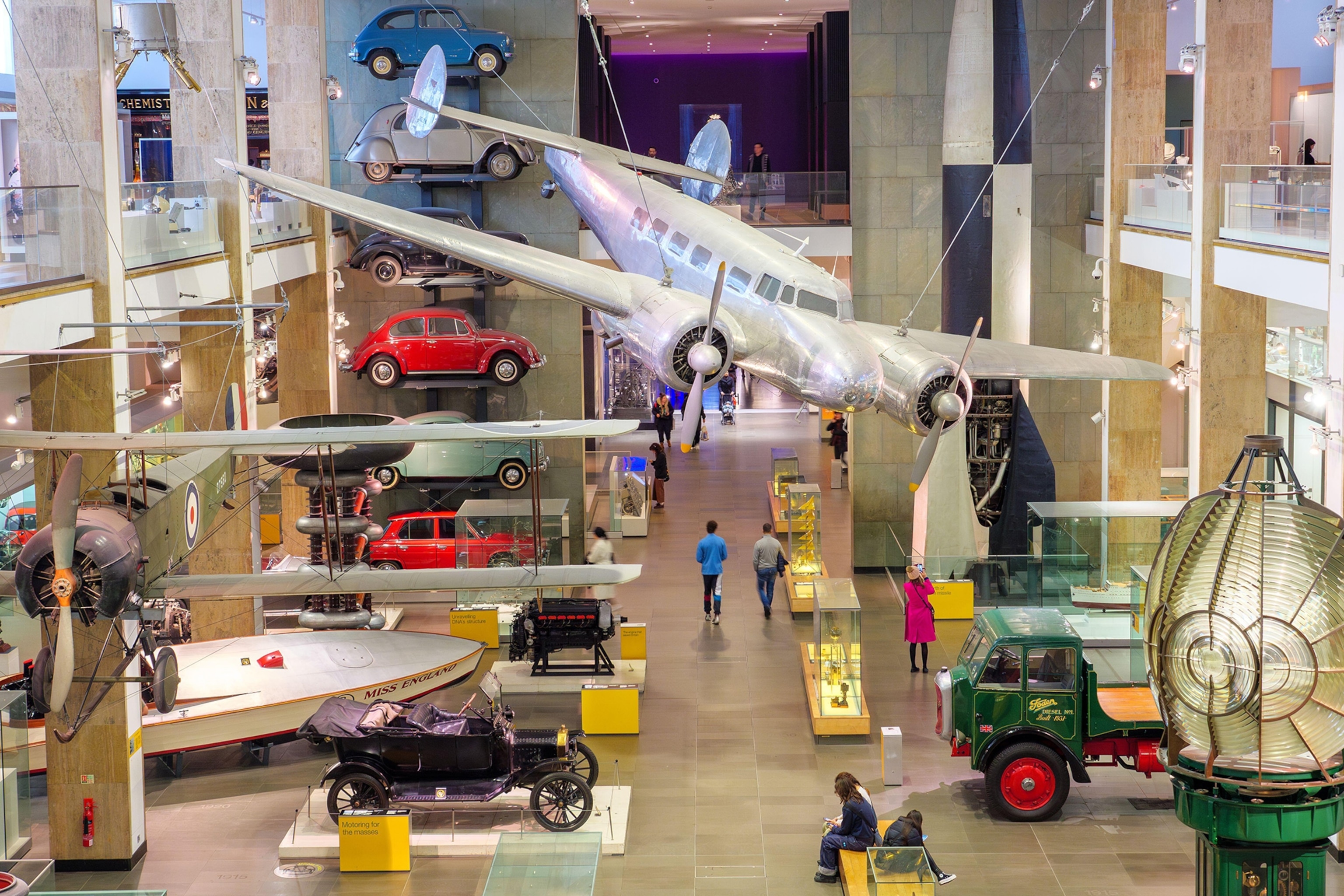
The museum’s expansive Turbine Hall remains a canvas for massive, site-specific art that dwarfs the viewer, reminding us of the scale of our contemporary challenges. By fostering an environment where art is often kinetic or sound-based, the Tate ensures that the experience is visceral. It is a place that rejects the silence of traditional galleries, instead encouraging a vibrant, often noisy conversation about the role of the artist in society. It is the definitive space for observing the intersection of high art and the raw, unscripted realities of 2026.
Hidden Gems and Niche Institutions
While the “Big Three” dominate the visitor trail, London’s secondary museum tier offers some of the most profound experiences for the intellectual traveler. The Sir John Soane’s Museum, with its labyrinthine, atmospheric collection of antiquities and architectural drawings, remains an unparalleled exercise in “curated clutter”—a masterclass in how space can influence perception. Similarly, the Wellcome Collection continues to explore the boundaries between medicine, philosophy, and human life, providing a fascinating, often unsettling look at the history of the body and the mind.
These smaller, more specialized institutions offer an intimacy that the larger museums cannot replicate. They are places for deep, contemplative study, where the visitor can spend hours with a single collection, undisturbed by the ebb and flow of tourist crowds. They are, in their own right, the quiet heartbeat of London’s museum scene, proving that the most significant insights are often found in the most focused, carefully considered corners of the city.
The Future of the Curated Experience
As we move toward 2027, the London museum is clearly defined by its role as a cultural compass. These institutions are no longer content to merely display the past; they are actively shaping the future of public engagement. By embracing sustainable practices, transparent history, and digital innovation, they are proving that the museum is one of our most resilient and necessary public spaces.
For the visitor in 2026, London offers a museum experience that is both intellectually taxing and aesthetically magnificent. Whether you are navigating the sleek corridors of the V&A or getting lost in the industrial shadows of the Tate, you are participating in a larger dialogue about what it means to remember. These museums do not just keep the past alive; they ensure that it remains a living, breathing part of our modern lives, informing our decisions, sharpening our critique, and inspiring the next generation of creative thinkers.