In the narrative of global conservation, few stories resonate with the profound restorative power of Rwanda’s Akagera National Park. Once a landscape ravaged by the aftermath of civil conflict—threatened by poaching, deforestation, and human encroachment—Akagera has completed a remarkable, decade-long metamorphosis. Today, it stands as the jewel of Central Africa’s largest protected wetland, earning its place on National Geographic’s “Best of the World” list for 2026. This recognition is not merely an accolade; it is a testament to the success of a visionary partnership between the Rwanda Development Board and African Parks, transforming a depleted wilderness into a thriving, “Big Five” sanctuary that offers travelers a uniquely intimate and purposeful safari experience.
A Masterclass in Ecological Restoration
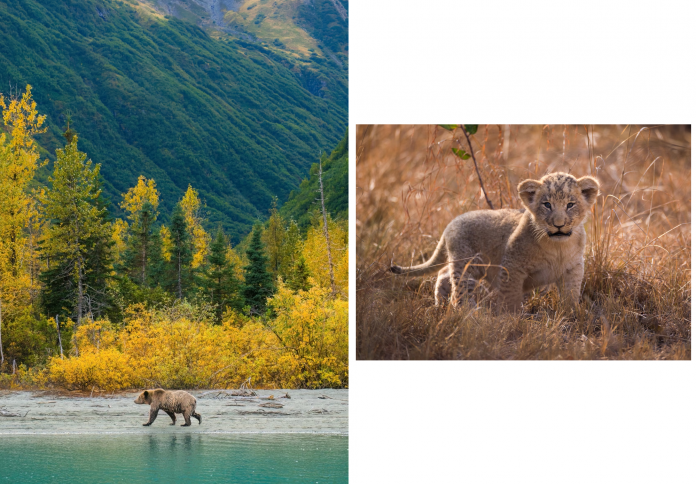
Akagera’s resurgence is rooted in an ambitious, science-led rewilding program. For fifteen years, intensive efforts have been made to reverse the environmental degradation of the 1990s. The park’s most notable triumph has been the successful reintroduction of keystone species; the return of lions in 2015 and the ongoing, careful translocation of white rhinos from South Africa have officially restored the “Big Five” to the park’s rolling plains. These efforts have created a resilient, balanced ecosystem where biodiversity is not just surviving but flourishing, making the park a vital hub for threatened species in the region.
This restoration extends beyond the terrestrial to the park’s intricate network of lakes, rivers, and swamps. As the largest protected wetland in Central Africa, Akagera’s aquatic habitats are a biological marvel, boasting one of the continent’s highest concentrations of hippopotamuses and serving as a critical refuge for nearly 500 species of birds. The park’s layout—a diverse tapestry of low-lying grasslands, emerald woodlands, and papyrus-fringed waterways—provides a multifaceted safari landscape that feels both expansive and deeply connected.
The Intimate Safari Experience
For the modern traveler, Akagera offers a rare commodity in the world of African tourism: tranquility. Unlike the densely trafficked circuits of East Africa’s more famous reserves, Akagera maintains a refined, “uncluttered” atmosphere. With visitor numbers purposefully managed to preserve the wilderness, travelers can experience an unhurried connection with nature, observing wildlife without the clamor of crowded sightings. This sense of solitude allows for a more authentic, meditative safari experience, whether one is conducting a classic game drive at sunrise or navigating the glassy, silent waters of Lake Ihema by boat.
The park’s infrastructure has evolved to match its ecological success, offering a range of high-end, purpose-driven accommodations. The recent opening of the Wilderness Magashi Peninsula, an intimate camp located on a remote, scenic stretch of the park, exemplifies the high standard of sustainable hospitality now available to visitors. These lodges are designed to harmonize with the environment, ensuring that the luxury of the experience is matched by an unwavering commitment to the park’s ongoing conservation efforts.
A Model for Sustainable, Community-Driven Tourism
Akagera is more than a wildlife destination; it is a living symbol of Rwanda’s broader commitment to sustainable development. The park’s management model ensures that tourism acts as a direct engine for local community growth, with revenue-sharing programs funding essential regional projects. By choosing to visit Akagera, travelers are not just participating in a safari; they are supporting a circular economic model where the protection of the wilderness directly correlates to the prosperity of the people living around its borders.
As we look toward 2026, Akagera serves as a profound reminder of the potential for human-led environmental healing. It invites the traveler to participate in a “profound restoration”—a place where the rustle of the grass and the call of the wild reflect a victory over the fragility of the past. For those seeking a destination that balances the thrill of exotic fauna with the weight of a powerful, hopeful story, Akagera is not merely a place to observe, but a landscape to respect and a legacy to witness.