In an era where the modern traveler is increasingly drawn to the manicured, the predictable, and the hyper-connected, Europe’s national parks offer a vital, radical alternative. They are the continent’s last bastions of wildness—landscapes defined not by human architectural prowess, but by the relentless, sculpting power of glaciers, tides, and ancient forests. As we navigate the summer of 2026, these protected spaces are more than just recreational retreats; they are essential sanctuaries of biological and psychological restoration. From the serrated, snow-dusted peaks of the Alpine ranges to the mist-swathed, moss-covered valleys of the Atlantic coast, the following selection of parks invites us to reconnect with the primal rhythms of the earth, proving that the most profound travel experiences are often found where the road ends and the wilderness begins.
The Alpine Sanctuary: Dolomiti Bellunesi, Italy
While the broader Dolomite region is renowned globally for its winter sports and high-end resorts, the Dolomiti Bellunesi National Park preserves a more pristine, meditative section of this storied mountain range. Here, the landscape is defined by the stark, sculptural relief of rocky towers, vertical cliffs, and piercing spires that pierce the summer sky. However, beneath the austere beauty of the peaks lies a lush, vibrant world—an expansive network of ancient beech forests and high-altitude pastures where the rare edelweiss blooms and herds of chamois roam undisturbed.
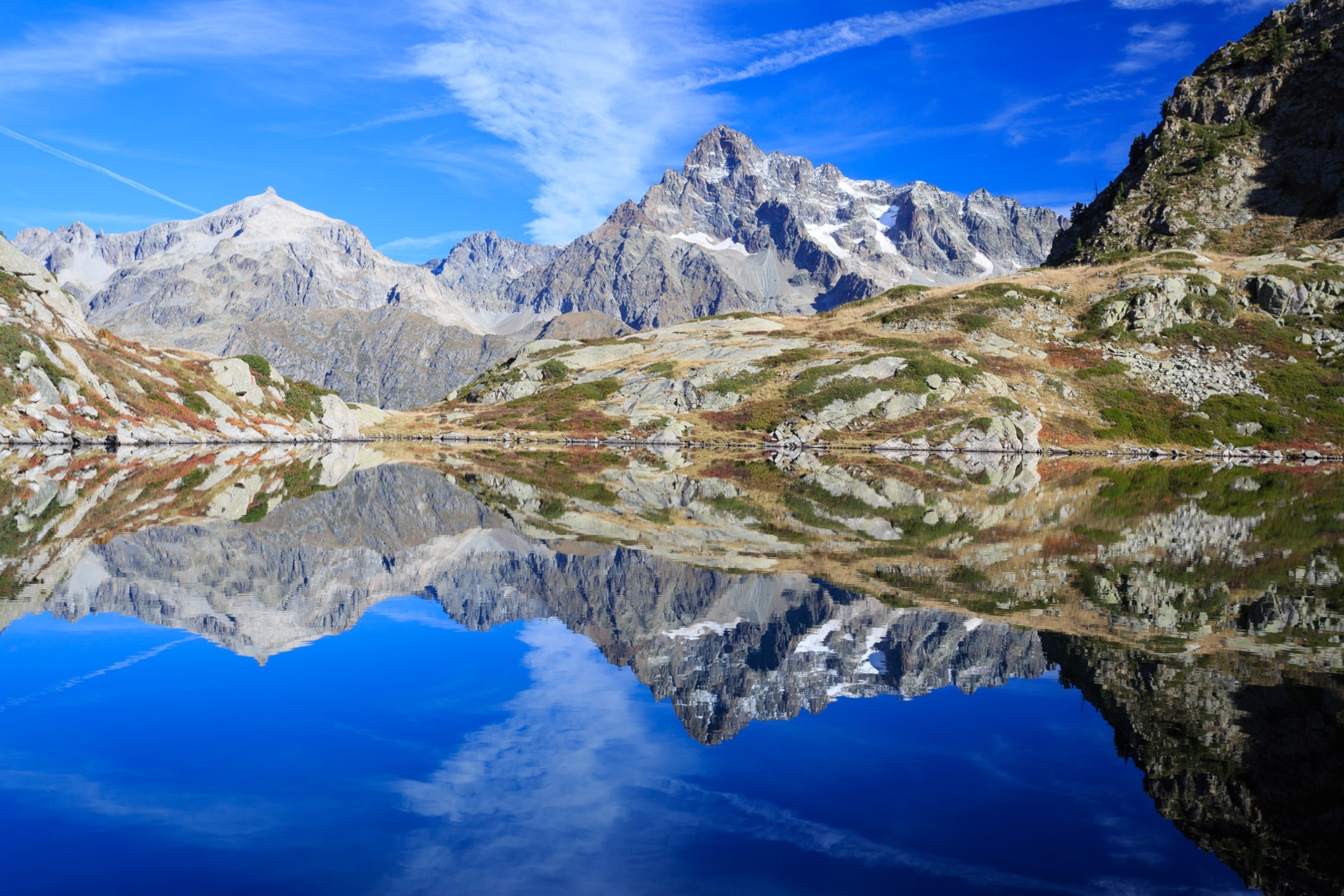
The park is a masterclass in ecological resilience, offering an “anatomical” look at the geology of the Alps without the overwhelming density of the more famous resort towns. The best way to engage with this environment is to eschew the valley hotels and hike up to the mountain huts—such as the Rifugio Bianchet—where the silence is absolute and the connection to the mountain’s “Mechanical Synergy” is palpable. It is a destination that demands physical exertion, rewarding the trekker with a view of an Alpine world that feels entirely untouched by the pressures of modern tourism.
The Primordial North: Oulanka, Finland
Straddling the Arctic Circle in eastern Finland, Oulanka National Park serves as an ethereal, water-sculpted expanse of primeval forest and swampy peatlands. In the height of the summer, the park is a “Noir-Avant” wonderland of light and sound—where the sun barely sets, casting a perpetual, golden twilight over the roaring rapids of the Oulanka River. This is a landscape characterized by its raw, untamed aquatic energy, perfect for those who seek to explore by kayak or canoe, navigating the narrow channels that cut through the ancient, moss-draped pines.
Oulanka is more than a nature reserve; it is an immersive environment that exemplifies the Nordic “Refined Minimalism” of the natural world. Here, the trail systems are designed to minimize human impact, allowing the traveler to disappear into the vast, quiet depths of the boreal forest. It is a place where one can experience the sublime scale of the wild, witnessing the persistent, life-giving power of a landscape that has been shaped by thousands of years of glacial movement and seasonal renewal.
The Atlantic Frontier: Exmoor, England
Perched on the rugged coast of Somerset and Devon, Exmoor National Park is one of Britain’s most overlooked treasures—a billow of heath and rolling moors that plunges into the heaving seas of the Bristol Channel. The park’s geography is a stunning contrast, where deep, tight valleys (“combes”) open suddenly into vast, windswept horizons. It is a site of maritime and terrestrial convergence, where one might spot endangered Exmoor ponies grazing on the heather, while red deer roam the shadowy, ancient woodland.
Exmoor’s appeal lies in its “defiant spirit.” Unlike the more manicured landscapes of southern England, this is a park that retains its wild, coastal edge. Hiking the roller-coaster path between Porlock and Combe Martin, one is confronted with the dramatic juxtaposition of England’s highest sea cliffs against the gentle, pastoral beauty of medieval villages like Dunster. For the traveler who values the subtle, grounded beauty of the Atlantic fringe, Exmoor offers a rare space for quiet reflection, reminding us that even in a heavily inhabited island, there are still pockets of land that remain defiantly, beautifully untamed.
The Volcanic Crucible: Vatnajökull, Iceland
Covering a staggering 5,779 square miles in southeastern Iceland, Vatnajökull National Park is a landscape in a state of permanent, dramatic flux. As Europe’s largest national park outside of Russia, it protects a “mind-blowing” mix of volcanic fire and glacial ice, where frozen rivers of basalt-blue ice press against active geothermal fissures. Summer here is a brief, intense window where the landscape reveals its raw, geologic power—a world of blackened lava fields, mist-dashed waterfalls, and shimmering glacial lagoons.
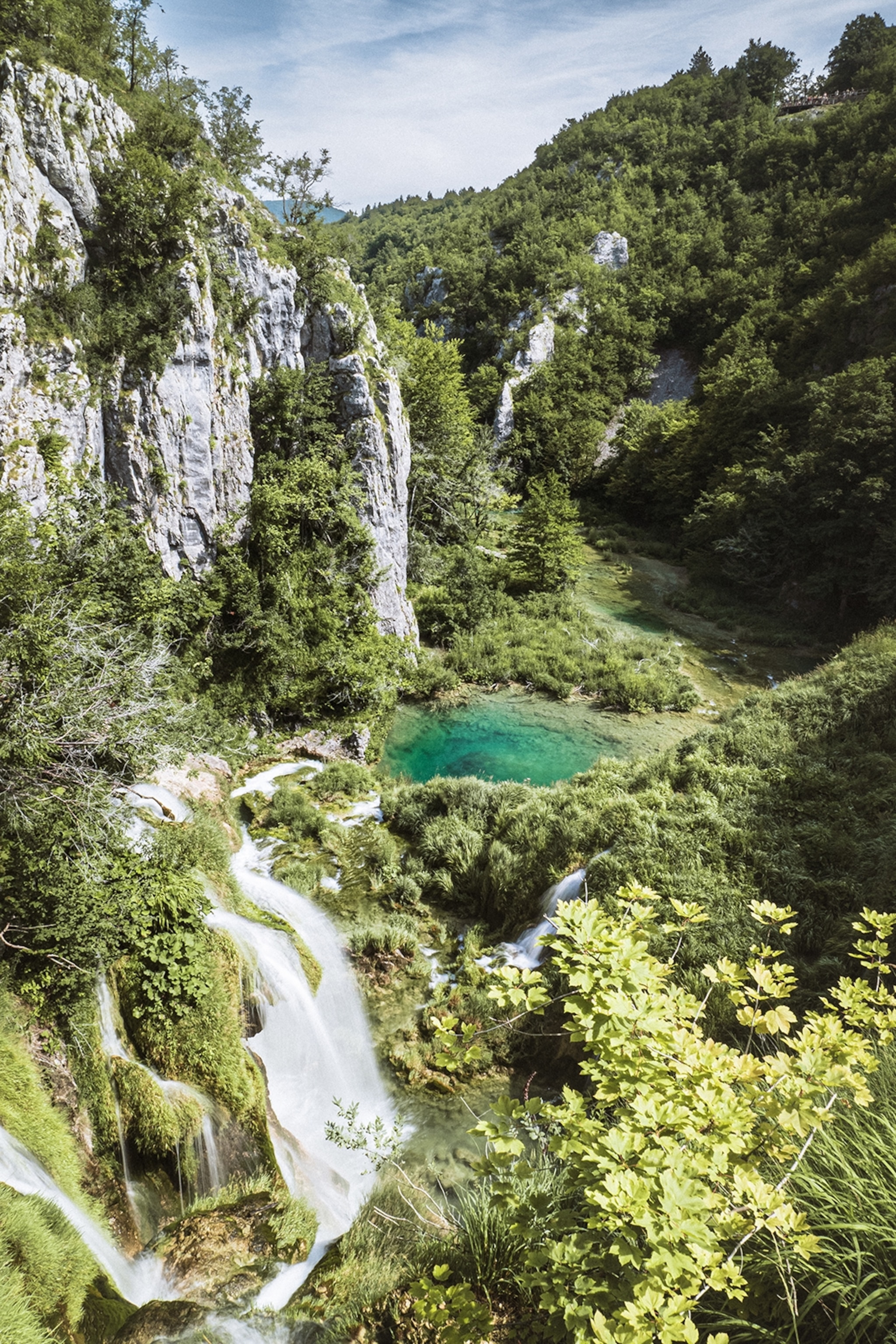
Vatnajökull is the ultimate destination for those seeking a sense of nature’s raw, indifferent power. The experience of trekking across its shifting ice or observing the steam rising from its hidden volcanic vents is a humbling, blood-curdling reminder of the earth’s volatile history. It is a park for the adventurous traveler who views the landscape as a living, breathing entity, one that is constantly being broken down and rebuilt by the elemental forces of wind, ice, and fire.