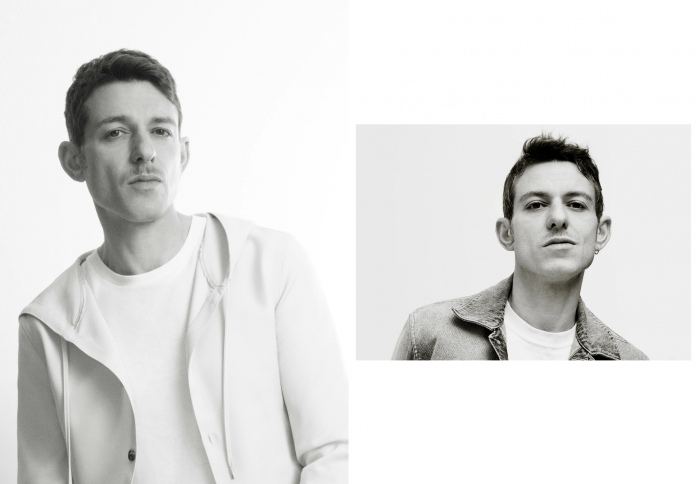
In a move that has sent ripples through the Parisian fashion landscape, Nicolas Di Felice officially announced his departure from Courrèges in March 2026, bringing a close to a highly influential five-year tenure. Since joining the house in 2020, the Belgian designer has been credited with the “renaissance” of the brand, successfully synthesizing the futuristic, space-age codes of founder André Courrèges with a contemporary, club-culture-infused sensibility. While Di Felice has framed his exit as a decision to focus on personal projects, his departure has ignited widespread industry speculation. As the house prepares to announce his successor, the conversation has already pivoted toward his potential future, with rumors persistently linking him to a creative director role at Alaïa following the departure of Pieter Mulier.
A Legacy of Modern Renaissance
When Di Felice took the reins at Courrèges, the brand was in a state of flux, struggling to find its footing in a saturated luxury market. His arrival, occurring at the height of the global pandemic, proved to be a turning point. By leveraging his background with industry heavyweights like Nicolas Ghesquière (at Balenciaga and Louis Vuitton) and Raf Simons (at Christian Dior), Di Felice brought a level of technical precision that allowed him to treat the house’s archives as a “living framework” rather than a museum collection. He reintroduced the iconic vinyl jackets and A-line miniskirts, effectively turning them into modern “it-items” that resonated with a younger, digital-native demographic.
His shows were consistently marked by a mastery of atmospheric storytelling—from whirlpool sand sets to immersive, tech-focused finales. Beyond the visuals, he succeeded in building a cohesive commercial vocabulary that extended from high-concept runway pieces to accessible, highly sought-after accessories like the Hobo and Holy handbags. By embedding club-ready aesthetics and body-conscious silhouettes into the brand’s identity, he ensured that Courrèges was not merely relevant, but culturally unavoidable, reclaiming its status as a distinctive voice in the contemporary landscape.
The Rumor Mill: A Strategic Move to Alaïa?
The immediate speculation regarding Di Felice’s next move is tied directly to the current state of luxury house dynamics. His name has emerged as a frontrunner for the creative director position at Alaïa, a prospect that industry analysts describe as both logical and strategic. Like Courrèges, Alaïa is a house built upon a foundation of absolute precision and an intense, structural relationship with the body. Given the Richemont-owned brand’s current need for a strong, consistent creative vision to bolster its performance, Di Felice’s proven ability to balance heritage with commercial momentum makes him an ideal candidate.
However, the “creative musical chairs” of 2026 reflect a broader, more volatile industry trend where even successful tenures are increasingly brief. The speculation surrounding Alaïa is bolstered by the brand’s need for a designer who can maintain its ready-to-wear dominance while navigating the challenges of its division’s profitability. While neither the designer nor the house has confirmed these reports, the alignment of Di Felice’s sensibility with Alaïa’s DNA has made the possibility a dominant theme in fashion discourse. As the industry watches for the next official announcement, Di Felice’s exit marks the end of a pivotal chapter and the beginning of a high-stakes search for his successor at Courrèges.
Reflections on the Future of Succession
As the house of Courrèges prepares to unveil its new artistic direction in the coming weeks, the industry is left to reflect on the impact of Di Felice’s five-year stint. His departure is a reminder that the modern luxury landscape is governed by the constant, and often abrupt, demand for reinvention. For Di Felice, leaving at a “high point” in his tenure suggests a desire for creative autonomy that often becomes difficult to maintain within the rigid structures of a heritage brand. Whether he ultimately lands at Alaïa or opts for an independent path, his legacy at Courrèges remains clear: he successfully bridged the gap between a storied past and a demanding, modern present.
Ultimately, the shift in leadership is a bellwether for the broader luxury sector, where the pressure to innovate is constant and the window of opportunity to leave a lasting impact is increasingly narrow. The next few months will reveal whether Di Felice’s departure was a final step toward a new, potentially more expansive creative role, or a signal of his intent to pivot toward more personal, experimental endeavors. In the meantime, the fashion world remains in a state of heightened anticipation, waiting to see who will be tasked with building upon the “rebuilt” foundation that Di Felice leaves behind.