The global design market is currently experiencing a profound shift, moving away from purely commercial transactions toward spaces that act as cultural anchors, educational platforms, and experimental laboratories. As we navigate the spring of 2026, a new cohort of galleries has emerged, each redefining how we engage with objects, history, and the evolving identity of the modern interior. From repurposed neoclassical villas in Miami to converted studio spaces in London and Oslo, these seven galleries are not merely selling furniture or art; they are curating narratives that bridge the gap between emerging talent and the seasoned collector. By emphasizing accessibility, regional pride, and museological rigor, these spaces are setting a new standard for what a design gallery can—and should—represent in our contemporary cultural ecosystem.
The North European Vanguard: D142 and Innenkreis
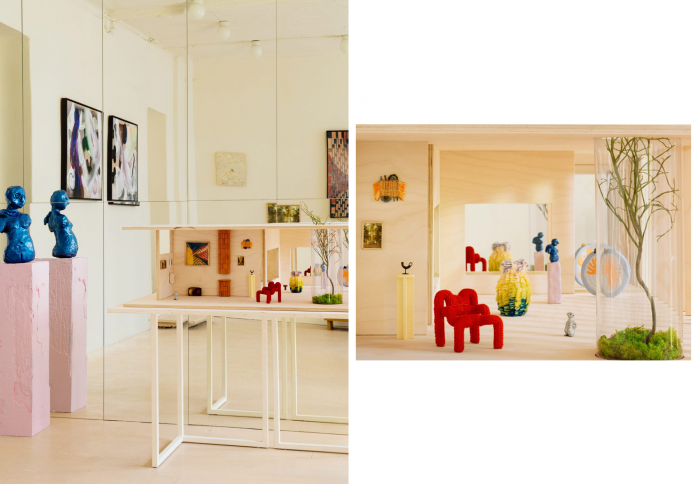
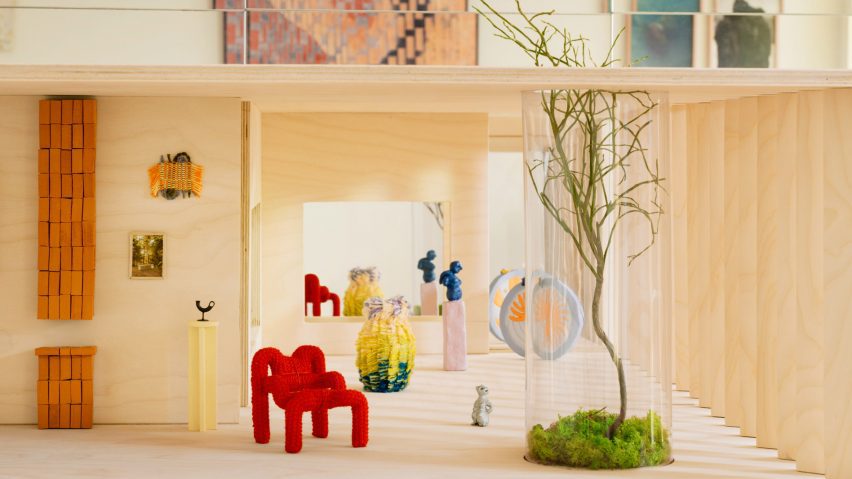
In Oslo’s Grünerløkka neighbourhood, D142 has established itself as a vital platform for the next generation of creatives. Founded by Iranian-born photographer and stylist Neshat, the gallery functions as a multi-disciplinary hub where art, design, and culture intersect. Its current exhibition, Et Dukkehjem, exemplifies this experimental approach, blurring the lines between reality and miniature by pairing full-scale furniture with dollhouse-sized counterparts. It is a bold, playful exploration of domesticity that signals the gallery’s intent to challenge conventional perceptions of space.
Simultaneously, in Copenhagen, curator Zeynep Rekkali Jensen has launched Innenkreis. Drawing on her extensive background as a gallery director, Jensen’s vision for the space is one of historical continuity, juxtaposing contemporary design pieces with pre-1940 decorative arts. The debut exhibition, featuring garment-inspired furniture by Danish designer Laerke Ryom, sets the tone for a space that values the dialogue between the past and the present, proving that the most compelling design often lies in the tension between legacy and innovation.
London’s Evolving Studio Culture: Woodward Henry, Unit.d, and Jig Studio
London continues to be a hotbed of gallery experimentation, with three distinct spaces reflecting the city’s diverse design needs. Woodward Henry, founded by the design office Bompas & Parr, transforms the conventional gallery model by integrating museological techniques within their east London studio. Their inaugural exhibition, My Lady Nicotine, offers an immersive, historically informed examination of smoking culture, successfully proving that design galleries can function as sites of intellectual and cultural inquiry.

Contrasting this conceptual focus is Unit.d, a gallery in Shoreditch with a mission to restore accessibility to the design industry. Founded by Duncan Riches, the gallery showcases batch-manufactured, everyday objects created by celebrated designers such as Michael Marriott and Jasper Morrison. By championing affordable, high-quality design, Unit.d addresses a critical need in the market for functional beauty that doesn’t carry the prohibitive price tag of traditional “collectible” design.

Rounding out the London scene is Jig Studio in Soho, a space dedicated to the richness of Brazilian design. Founded by architect Richard Penman and strategist Grace Nemeth, the gallery provides a vital platform for creative talents like Alex Rocca and Humberto da Mata. Jig Studio serves as a bridge, bringing the bold, tactile, and often vibrant perspectives of the Brazilian creative scene to a wider audience, further solidifying London’s status as a gateway for international design movements.
New Narratives in Global Markets: The Future Perfect Miami and House of Santal
The reach of collectible design continues to expand across the United States, evidenced by two striking additions. David Alhadeff’s The Future Perfect has arrived in Miami, occupying the historic, rumored-to-be-haunted Villa Paula. This fourth location for the renowned gallery offers a unique atmosphere that contrasts sharply with its existing spaces in New York, Los Angeles, and San Francisco, promising a new, site-specific curatorial direction that capitalizes on Miami’s vibrant cultural landscape.

Finally, in Midtown Manhattan, House of Santal has opened as a dedicated sanctuary for South Asian furniture. Founded by Raksha Sanikam, the gallery operates from a former 10th-floor office, creating an intimate, focused environment for its inaugural show. Featuring work from 13 different Indian design studios, the gallery explores the sculptural possibilities of South Asian craftsmanship, offering a fresh, sophisticated perspective on global design that elevates regional history to a luxury standard. Together, these seven galleries capture a moment of renewal in the industry, proving that the most exciting design today is found where tradition meets transformation.