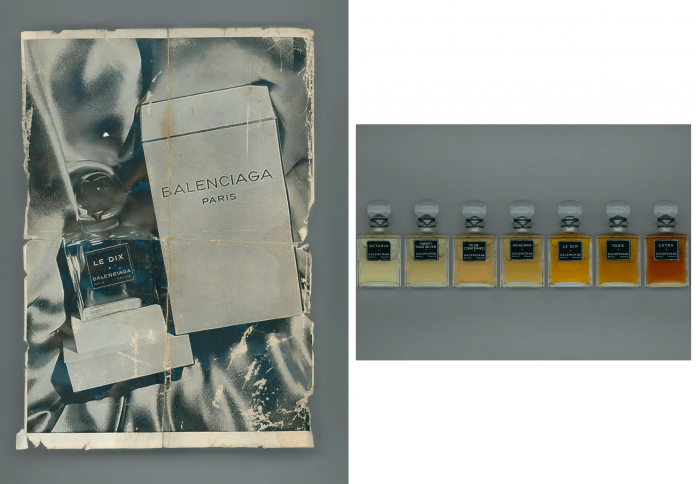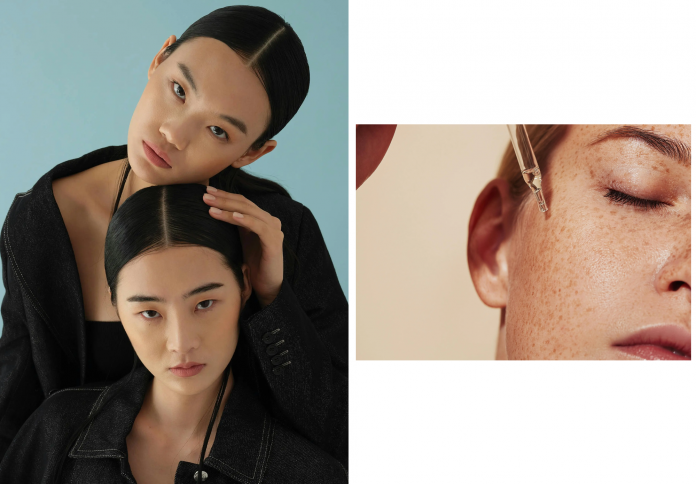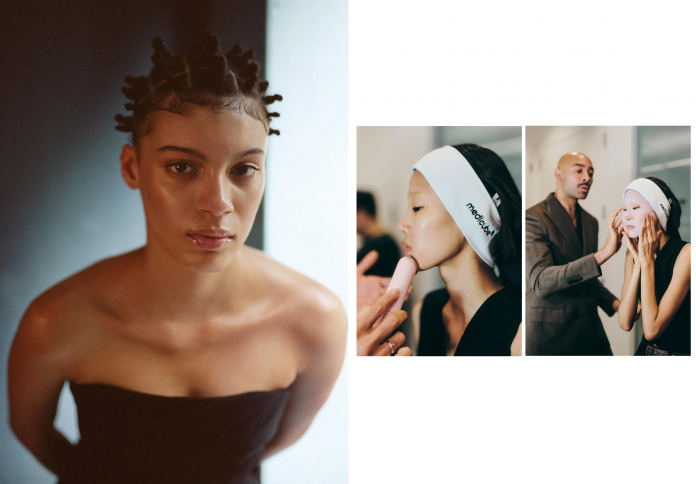
The beauty industry is currently witnessing a paradigm shift where the traditional boundaries between fragrance and skincare are dissolving. Spearheaded by the launch of Bella Hadid’s brand, Ôrəbella, the “skinification of fragrance” has introduced a novel delivery system: the bi-phase formula. By discarding the high alcohol content that has long defined perfumery in favor of nutrient-dense oils and botanical waters, these new-age scents offer a tactile, sensory experience that prioritizes the health of the wearer’s skin. As consumers move away from harsh, synthetic-heavy perfumes, this hybrid approach—marrying the mood-lifting power of aromatherapy with the hydration of a serum—marks a sophisticated evolution in how we scent our bodies and nourish our souls.
The Mechanics of the Bi-Phase Formula
At its core, a bi-phase fragrance operates on a simple but effective principle: separation. Unlike traditional perfumes, which are typically alcohol-based solutions, bi-phase formulas consist of two distinct layers—an oil-based “nourishing” phase and a water-based “fragrance” phase—that do not naturally mix. The user is required to “shake to activate,” momentarily blending the ingredients before spritzing.

This innovative structure serves a dual purpose. The oil layer, often featuring ingredients like camellia, almond, or jojoba oil, acts as a fixative, anchoring the scent to the skin and extending its longevity far beyond what alcohol-based sprays can achieve. Simultaneously, the water phase, frequently infused with botanical waters or humectants like snow mushroom, provides an immediate, cooling burst of hydration. The result is a scent that doesn’t just sit on the skin’s surface but integrates with it, leaving behind a subtle, luminous glow and a soft, moisturized feel.
Beyond Traditional Perfumery: The Ôrəbella Influence
Ôrəbella has been the primary architect of this movement, positioning its “skin parfums” as a direct response to the sensitivities many experience with standard, alcohol-laden luxury fragrances. By stripping away parabens, sulfates, and synthetic alcohols, the brand emphasizes transparency and ingredient integrity. The focus here is on the “aura”—the idea that fragrance should be an extension of one’s emotional state rather than a static mask.

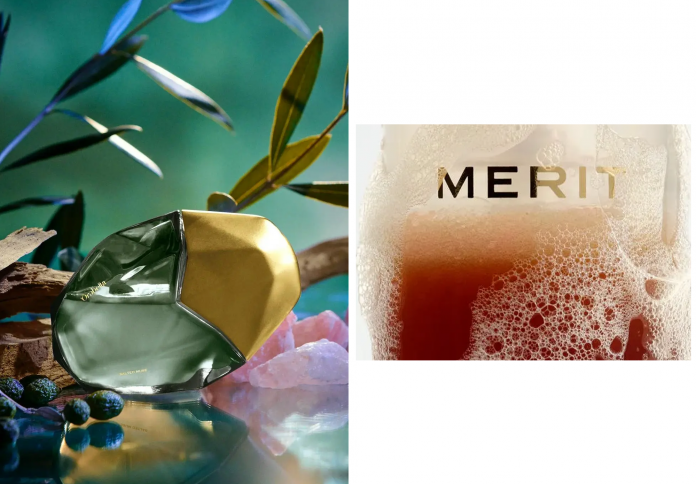
For the modern consumer, this shift is part of a broader trend seen in brands like Merit and Glossier, which have long championed a “less is more” philosophy. Where Merit emphasizes multi-functional serums that prep the skin for makeup, and Glossier leans into the “skin-first, makeup-second” ethos, the bi-phase fragrance movement takes this a step further. It treats the entire body as a canvas for high-quality, nourishing actives, proving that “fine fragrance” can be both a luxury indulgence and a foundational part of one’s daily skincare routine.
Why the “Shake-to-Activate” Trend Matters
The emergence of these products highlights a maturing beauty market that values ritual and sensory engagement. The act of shaking a crystal-inspired, sculptural bottle is not just a necessity for the formula; it is a ritualistic pause that invites the wearer to be present. As consumers become more ingredient-conscious, the demand for “non-staining” and “dermatologist-tested” fragrances has grown, pushing brands to innovate beyond the standard eau de parfum.
As we look toward the future of fragrance, the success of these formulas suggests that the next generation of scents will be judged not just by their sillage, but by their skin-feel. By prioritizing ingredients that nourish the barrier while elevating the aura, this hybrid category is successfully carving out a permanent place on the vanity, bridging the gap between the vanity’s fragrance tray and the bathroom’s skincare shelf. Whether you are seeking a daily “clean” aesthetic or a mood-boosting ritual, the bi-phase revolution offers a sophisticated, deeply wearable alternative for the modern individual.