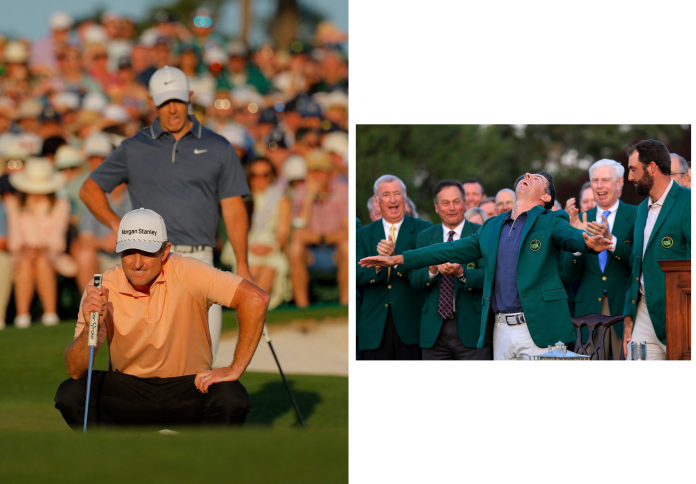
In the quiet, predawn hours of April 14, 2025, Rory McIlroy awoke in a rental home in Georgia to a sight that had eluded him for nearly two decades. Draped over a chair was a Green Jacket—the physical manifestation of a dream that had turned into a storied, and at times brutal, obsession. For years, the question surrounding the Northern Irishman was not if he had the talent to win at Augusta National, but whether he could ever overcome the psychological scar tissue of past collapses. On that extraordinary Sunday, the sports world watched as he finally exorcised his demons, overcoming a disastrous start and a tense playoff against a close friend to become only the sixth man in history to complete the career Grand Slam. It was a moment that transcended golf, marking the definitive redemption of a player who remained remarkably human despite his superstar status.
The Weight of Seventeen Years
The journey to the 2025 Masters began long before the first tee shot on Thursday. For McIlroy, Augusta had become a place of “storied, occasional brutal, history,” dating back to his debut in 2007. Most notably, the 2011 edition—where he tossed away an unassailable lead in a tragic Sunday meltdown—had loomed over his career like a specter. Every year since, the pressure had mounted, transforming the Masters from a golf tournament into a referendum on his legacy. By 2025, the wait for a fifth major title had stretched to eleven years, a drought that many feared would never end.
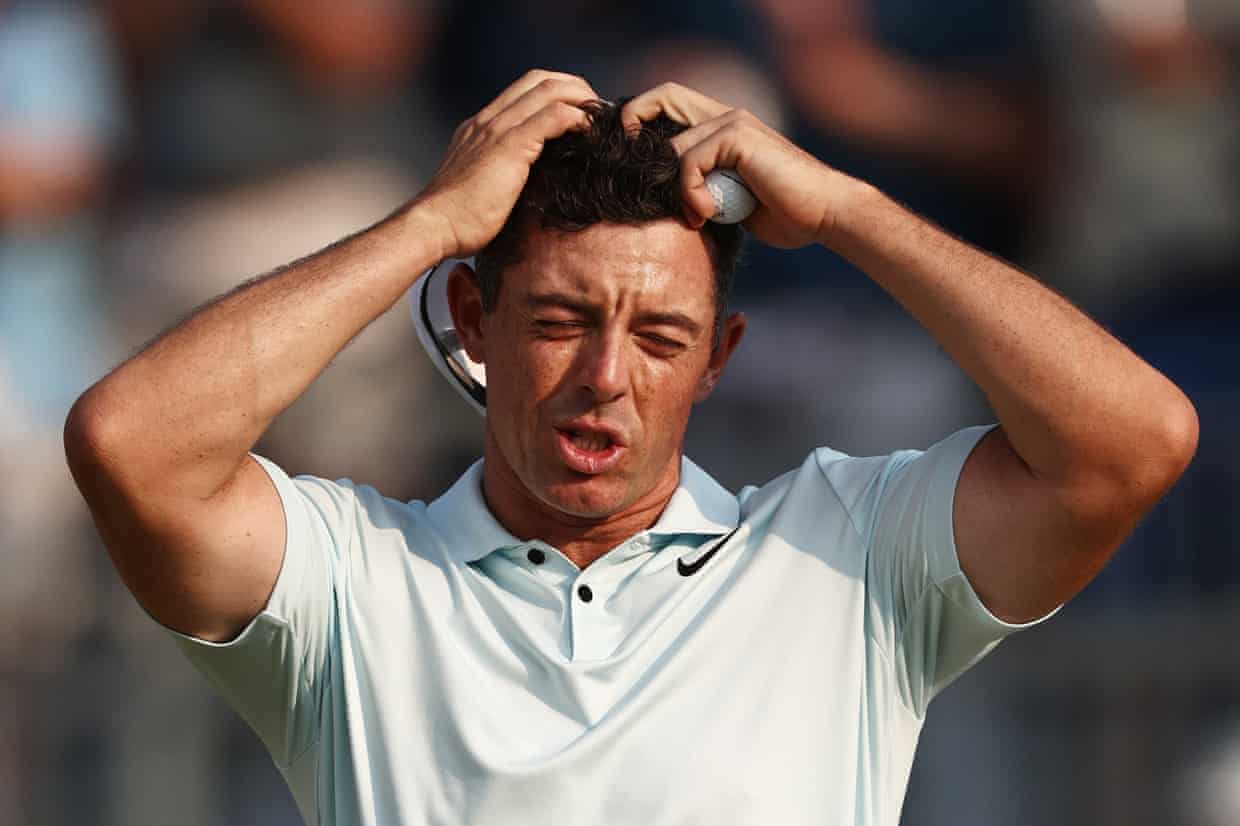
Writing the words “Rory McIlroy, Masters champion” was a task fraught with emotion for the global media who had followed his every stride since he was a teenage prodigy. The atmosphere at Augusta was electric, with even the American galleries seemingly deciding that McIlroy was “due” his moment of glory. This was not just another tournament; it was a quest for sporting immortality that felt as significant as Tiger Woods’ seismic return to the winner’s circle in 2019. For McIlroy, the stakes were all-encompassing: the jacket, the Grand Slam, and the end of a decade of questions.
A Sunday of High Drama and Resilience
The final round of the 89th Masters did not begin with the triumphant march many had envisioned. Billed as a duel between the “natural artist” McIlroy and the “bludgeoning” power of Bryson DeChambeau, the day started in disaster for the Northern Irishman. A double-bogey at the first hole, followed by a missed opportunity at the second, saw DeChambeau edge into the lead. In the press boxes and among the galleries, a familiar fear took root: “Not today,” was the whispered consensus. It seemed that another hammer blow to his lifetime dream was being delivered in real-time.
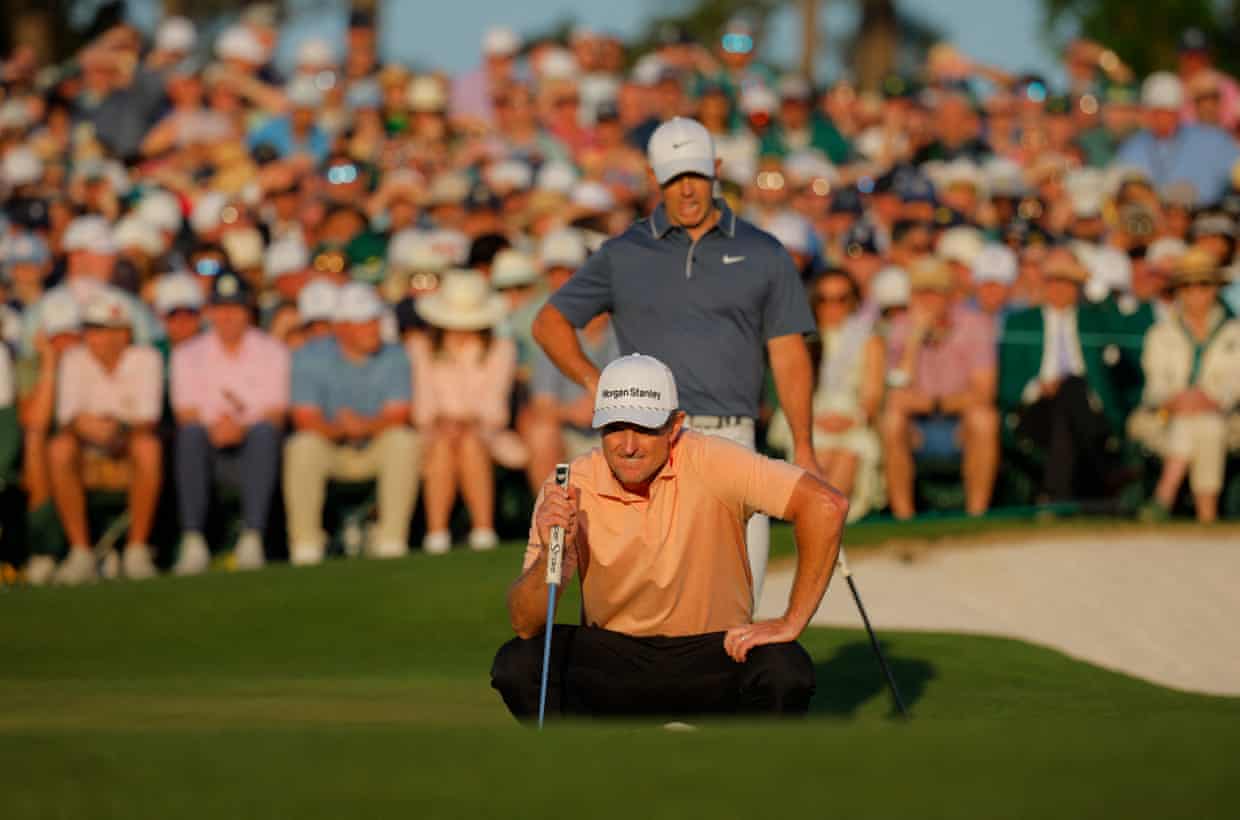
However, the narrative shifted as DeChambeau began to falter and McIlroy found his rhythm. By the 10th green, a birdie had moved him to 14 under par, five strokes clear of his primary rival. Yet, in true McIlroy fashion, the path was never straightforward. Challenges emerged from his own Ryder Cup teammates, Ludvig Åberg and Justin Rose. A “dodgy lie” on the 13th led to a ball in the water, and despite “wondrous shots” on the 15th and 17th, the lead evaporated. What had felt like a coronation transformed into a tense, nerve-wracking battle that would be decided in extra time.
The Playoff and the “Line of the Week”
As McIlroy prepared for the playoff against Justin Rose, the tension at Augusta reached a breaking point. It was a journalistically “horrendously tricky” moment—it would either be the greatest McIlroy moment in history or an outright sporting disaster. In the midst of this pressure, Harry Diamond, McIlroy’s caddie and lifelong best friend, provided the essential perspective. “Well, pal,” Diamond reportedly said as they headed to the playoff, “you would have taken this position at the start of the week.” It was a simple line that allowed the world’s most watched golfer to breathe.
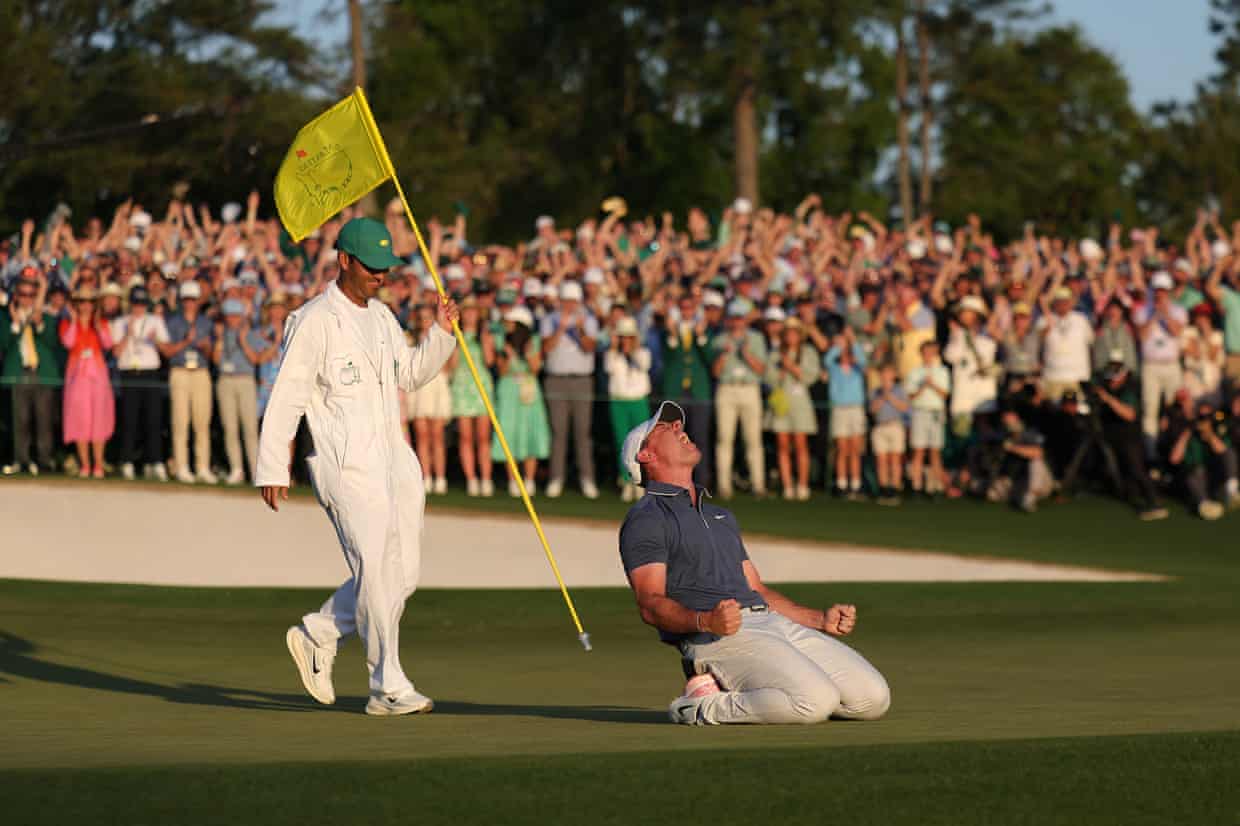
The playoff itself was a study in precision. On the opening extra hole, McIlroy hit a “majestic” approach shot that set up a four-foot putt for the title. While Rose missed his 15-foot attempt, McIlroy remained steady. When the final ball disappeared into the cup, the reaction was a raw explosion of pent-up emotion. Pounding the grass with his head in his hands and tears in his eyes, McIlroy showed the world the true cost of his pursuit. It was a relatable, deeply human response to achieving a goal that had defined his entire adult life.
A Legacy Secured in Green
With this victory, Rory McIlroy finally joined the most exclusive club in golf, alongside Gene Sarazen, Ben Hogan, Gary Player, Jack Nicklaus, and Tiger Woods. He is now the sixth man to win all four of golf’s modern majors, a feat that secures his status as one of the all-time greats. While he may win more Masters and will almost certainly add to his tally of five majors, the significance of this specific win is incomparable. It was the “ultimate moment” of a career that has been as compelling for its failures as it has been for its successes.
The morning after his victory, as he sat in his rental home looking at the Green Jacket, the reality of “that” finally set in. The messages that flooded in from around the globe—many from people with no interest in golf—confirmed the seismic nature of the achievement. Rory McIlroy didn’t just win a golf tournament in April 2025; he completed a narrative arc that had captivated the sporting world for nearly twenty years. He entered the week as a sentimental favorite burdened by history; he left it as a Master, finally at peace with the course that had haunted him for so long.