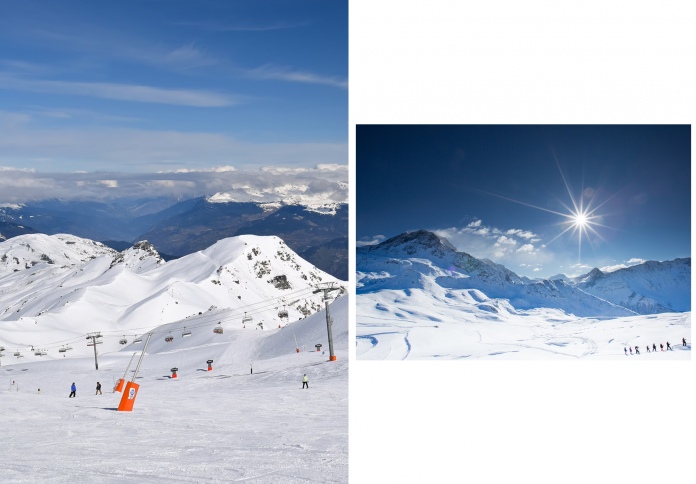
The global ski industry is bracing for a highly unpredictable future as climate change brings warmer, less reliable winters to mountain ranges worldwide. In response, a forward-thinking group of mountain resorts is spearheading a massive, collaborative effort to drastically cut their carbon footprints and ensure the sport’s long-term survival. Innovations range from powering lift systems with hydroelectricity and solar farms to switching fuel sources for massive snow-grooming fleets and imposing moratoriums on new development. Critically, these resorts are also empowering guests to travel responsibly. Experts calculate that how skiers get to a destination—by train, electric vehicle, or plane—accounts for between 50 to 75 percent of a trip’s total carbon emissions, making the choice of destination and transport the first and most impactful step toward truly sustainable skiing.
Decarbonizing the Journey: The Traveler’s Impact
The greatest environmental burden of a ski holiday lies not on the slopes, but on the road, rails, and in the air. For a typical skier, travel accounts for the vast majority of the carbon footprint. Recognizing this, the push for sustainability begins by prioritizing destinations accessible via low-carbon infrastructure, primarily the extensive, electrified rail networks found across much of Europe.
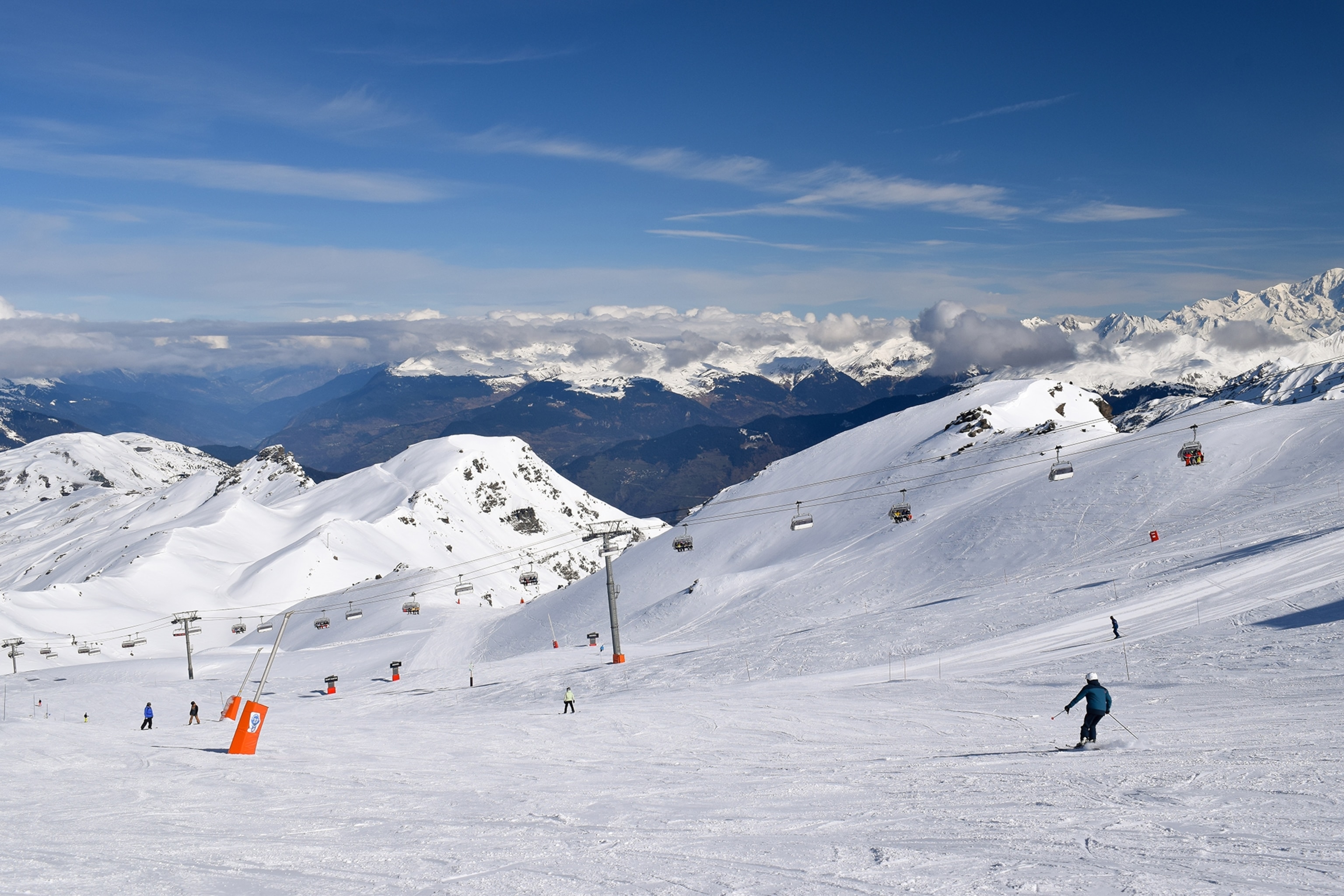
Countries like Austria, Switzerland, and France have electrified mainline railways, which are often powered by renewable energy sources, turning the picturesque train ride into a significant act of environmental responsibility. Resorts linked directly to these networks, such as Zermatt, St Anton am Arlberg, and Les Arcs, immediately provide guests with a massive advantage. Les Arcs, for instance, encourages this by offering a free ticket for the final funicular leg of the journey from the Bourg St Maurice rail hub. For travelers in the United States, where rail links are scarce, the solution shifts to encouraging electric vehicle (EV) usage and carpooling, a strategy promoted by resorts like Park City through preferential parking systems.
Powering the Mountain: On-Site Renewable Energy
The second major pillar of resort sustainability is achieving energy independence through on-site or purchased renewable power for lifts and mountain operations. This is a crucial step, as ski lifts operate for hours a day, demanding substantial electricity.

In the US, tiny Berkshire East in Massachusetts has demonstrated that 100 percent renewable power is achievable, generating all its lift and mountain electricity on-site using a combination of wind and solar power. This bold commitment serves as a model for smaller, regional resorts. Meanwhile, the massive Park City resort in Utah purchases all its electric power from the nearby Elektron solar farm, showcasing how resorts can shift consumption at scale. Across the Atlantic, Swiss giants like Zermatt and Saas-Fee leverage their geography, relying heavily on hydroelectricity to power their cable cars and lifts. This localized, green energy approach minimizes reliance on often carbon-intensive national grids, hardening the resort’s climate resilience.
Cleaning Up the Groomers: The HVO Revolution
Until recently, one of the least sustainable aspects of ski resort operations was the constant grooming of snow, due to the heavy diesel consumption of the powerful piste-bashers. Studies conducted by the Compagnie des Alpes (which operates 12 French resorts including Val d’Isère and Les Menuires) found that its grooming fleet alone was responsible for nearly 80 percent of its carbon footprint.

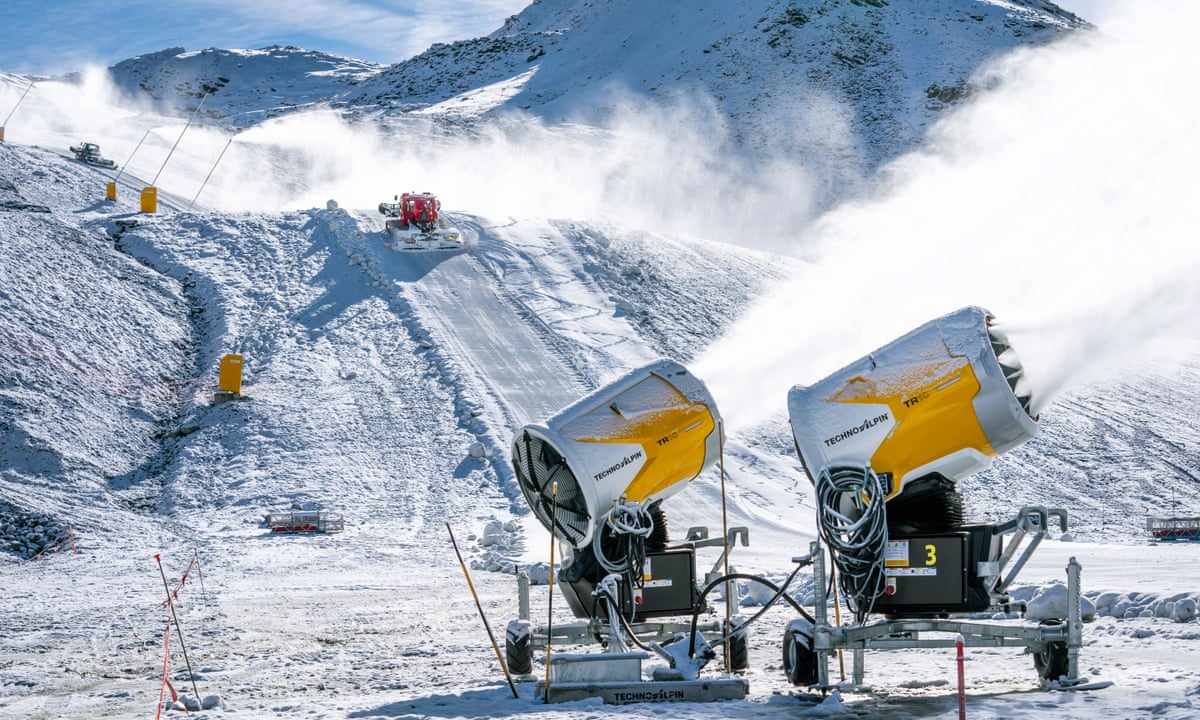
The solution was a swift and massive logistical change: switching the entire fleet to HVO (Hydrotreated Vegetable Oil) fuel. HVO is a biofuel made primarily from waste fats, including used cooking oil. This transition immediately and drastically reduced the grooming fleet’s CO2 emissions by up to 90 percent. Furthermore, resorts are using smart technology like Snowsat software, which allows groomers to take precise, real-time measurements of snow depth. This accuracy enables the drivers to work more efficiently, optimizing fuel use and reducing the need for costly, energy-intensive artificial snow production—a measure estimated to save up to 8% in fuel.
Beyond the Slopes: Sustainable Community Building
True sustainability requires a commitment that extends beyond the skiable terrain to the infrastructure of the surrounding community. This includes how mountain towns manage growth and heat their buildings.
Several resorts are tackling uncontrolled development by adopting strict conservation policies. Les Arcs, for example, has enacted a moratorium on new buildings, shifting its focus entirely to refurbishment. This move protects the integrity of the natural landscape and caps the environmental impact of urban sprawl. Simultaneously, resorts are addressing the substantial energy demand for heating during cold, long winters. St Anton am Arlberg in Austria utilizes a centralized community biomass heating system that burns local woodchips, providing low-carbon warmth for many local hotels. Similarly, the car-free village of Saas-Fee in Switzerland is investing in an expanding geothermal community heating project, using underground probes to supply sustainable heat to its main hotels and community centers, proving that tradition and low-impact technology can coexist.