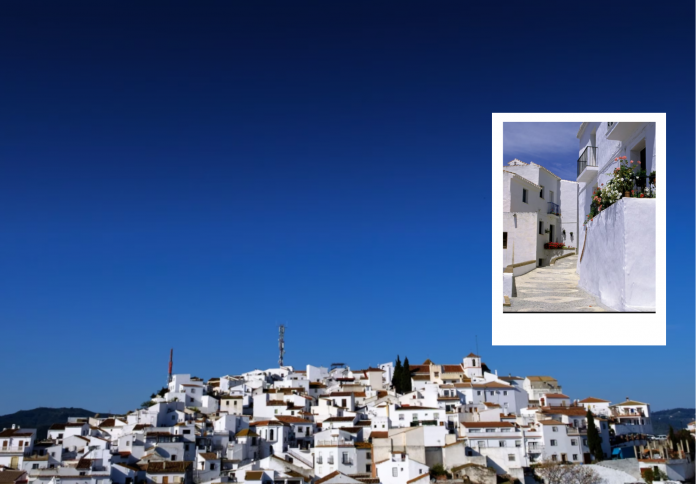
In the sun-drenched countryside of Andalusia, Spain, whitewashed villages teeter on hilltops, their brilliant hue a striking contrast to the rugged landscape. These pueblos blancos were forged by a history of conflict, built to defend communities against centuries of invaders. Yet, their luminous appearance also tells a different story—one of resilience in the face of epidemics and a deep-seated tradition of community. Today, the ancient struggle for survival has evolved into a different kind of challenge, as one of these villages, Algar, seeks to preserve a cherished custom known as charlas al fresco, or “fresh-air chats.” This seemingly simple tradition is now at the heart of a campaign for UNESCO recognition, serving as a powerful symbol of a way of life that, though ancient, is finding new purpose in a rapidly changing world.
Forged by Conflict, Forged by Plague: A History of Hue
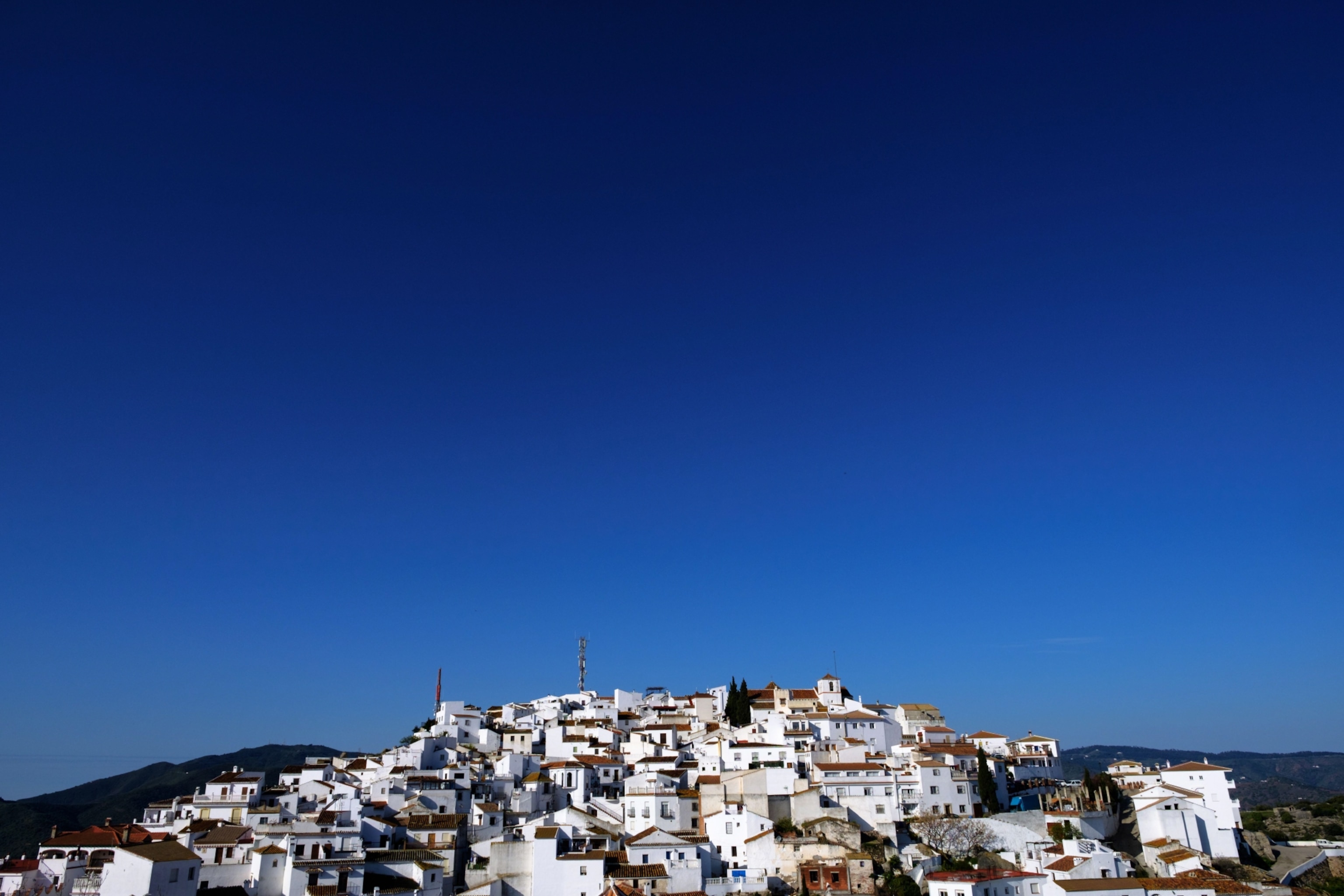
The history of Andalusia’s white towns is etched in both their strategic hilltop locations and their distinctive color. During the late Middle Ages, these villages served as a contested borderland between the Christian kingdoms to the north and the Islamic Emirate of Granada to the south. The towns were built to withstand sieges and provide refuge, a testament to a long era of conflict. But as the fighting subsided with the Christian reconquest, the villages’ identity began to be shaped by a new, invisible enemy: disease. It was during this period that the white hue, which had already begun to appear, took on a new significance.
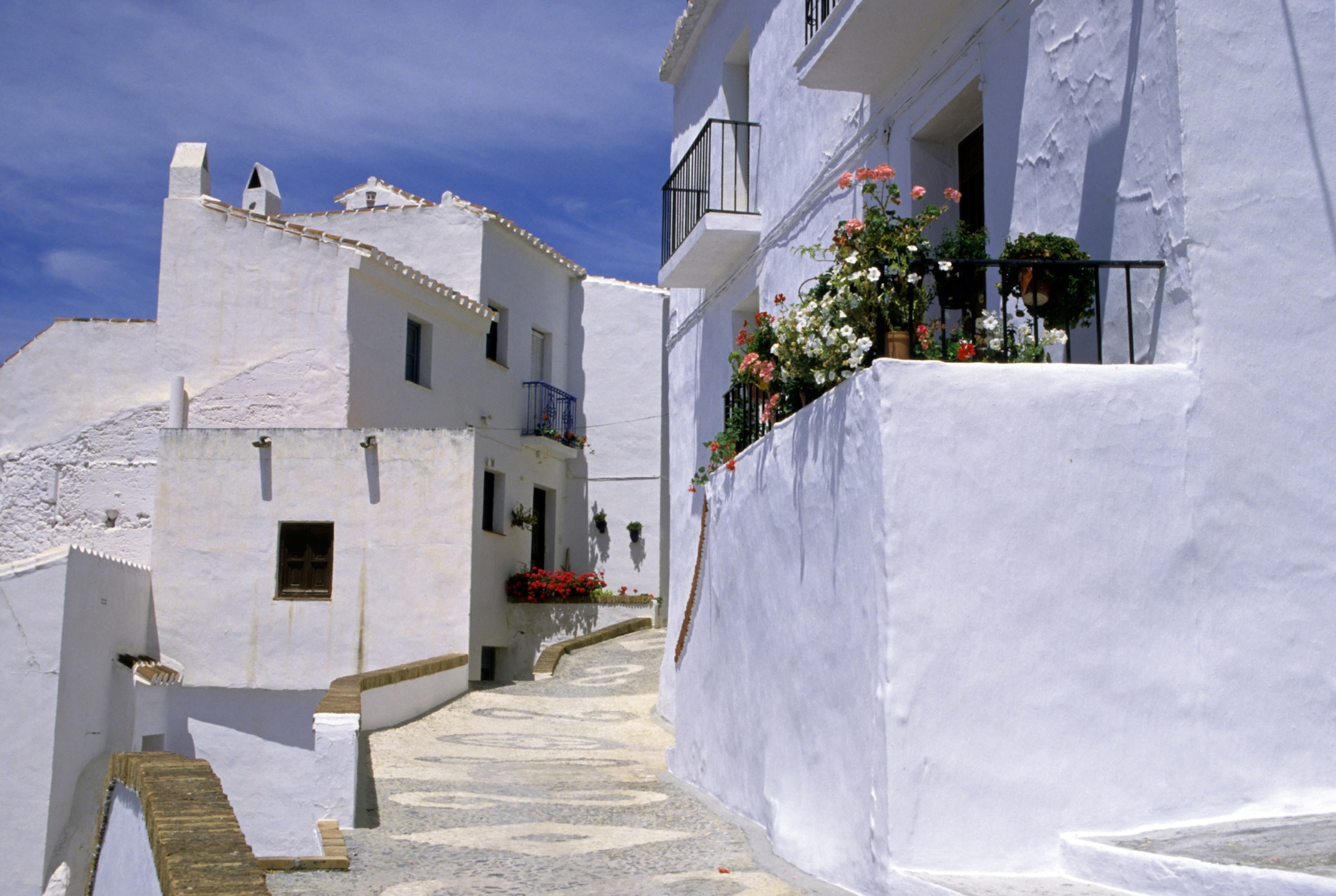
The practice of painting houses with whitewash, known as cal in Spanish, was a legacy of the Moorish kingdom. Made from slaked lime, it helped keep homes cool through the searing Andalusian summers, a practical benefit in a region of extreme heat. However, its pristine color also became associated with hygiene. When a series of devastating epidemics, including plague, cholera, and yellow fever, swept through the region between the 16th and 19th centuries, houses were systematically painted with cal in the wake of infection. Studies have since confirmed that slaked lime does, in fact, kill bacteria, giving this long-standing tradition a deeper, life-saving purpose. Over centuries, weathering year after year of disease, the white villages of Andalusia slowly turned the pure white that still shines under the southern sun.
The Art of the Charla: A Tradition Under Threat
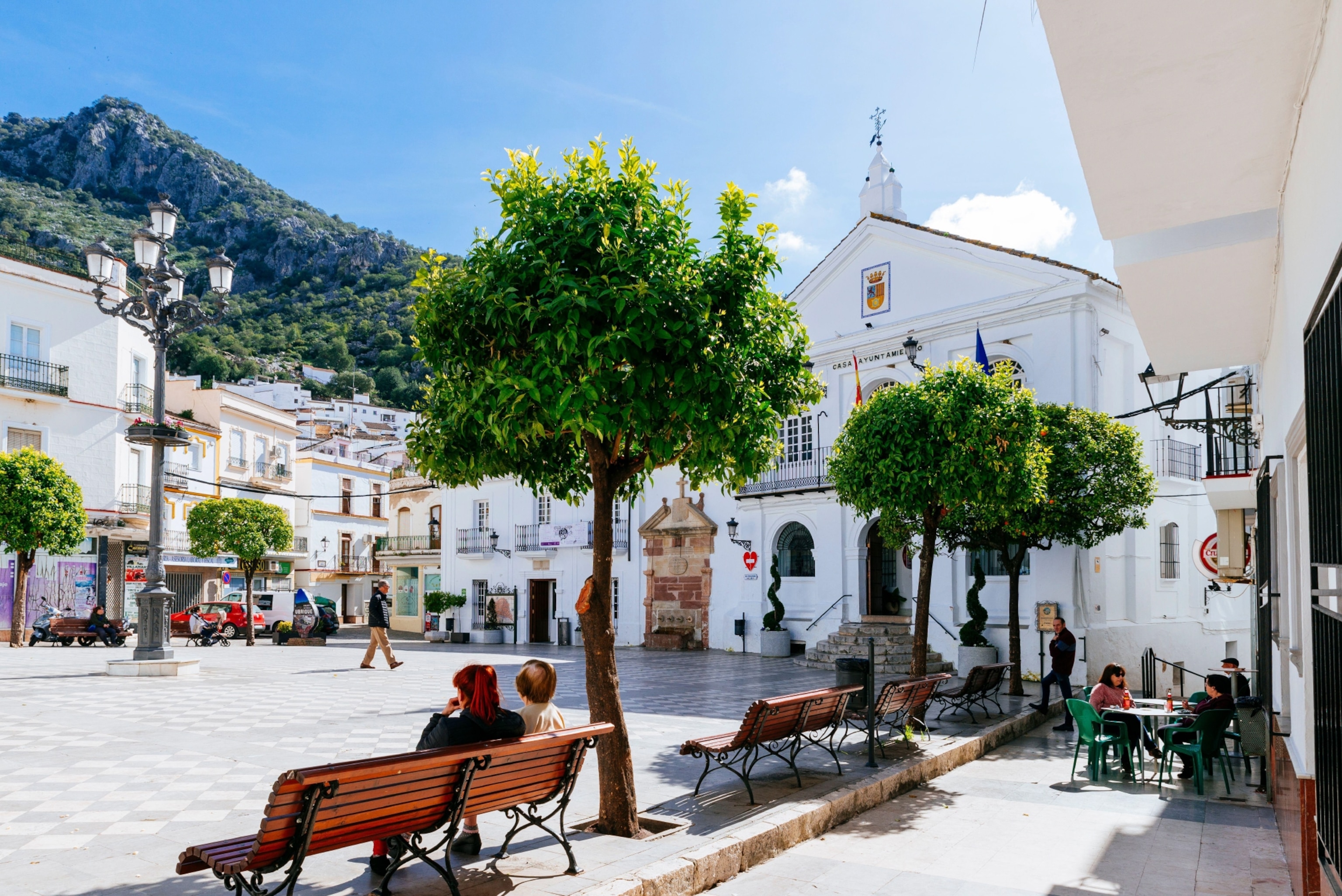
In the small pueblo blanco of Algar, a community of just 1,442 people, a profound tradition has been passed down through generations. Known as charlas al fresco, or “fresh-air chats,” the custom involves residents bringing chairs into the street each evening to spend time with their friends and neighbors. It’s a simple ritual that serves a powerful purpose: to bridge social and political divides, share news, and bring the community together. According to Algar’s mayor, José Carlos Sánchez, the tradition has been happening as long as anyone can remember and is particularly special for its ability to bring people of all ages together in a shared space.
However, this deeply rooted custom is under threat from the forces of modernity. As Sánchez points out, fewer and fewer people are joining in the street-side socializing, drawn instead to online platforms and the convenience of air conditioning. In a moment of rapid social change, this long-running communal discussion, a form of informal, face-to-face social media, is in danger of fading away. The mayor’s campaign to have the tradition recognized by UNESCO is not just about gaining an honorific; it’s about raising awareness of the value of this way of life and giving it a fighting chance against a world that is becoming more connected digitally but, perhaps, less connected physically.
A Road Trip Through a Timeless Landscape
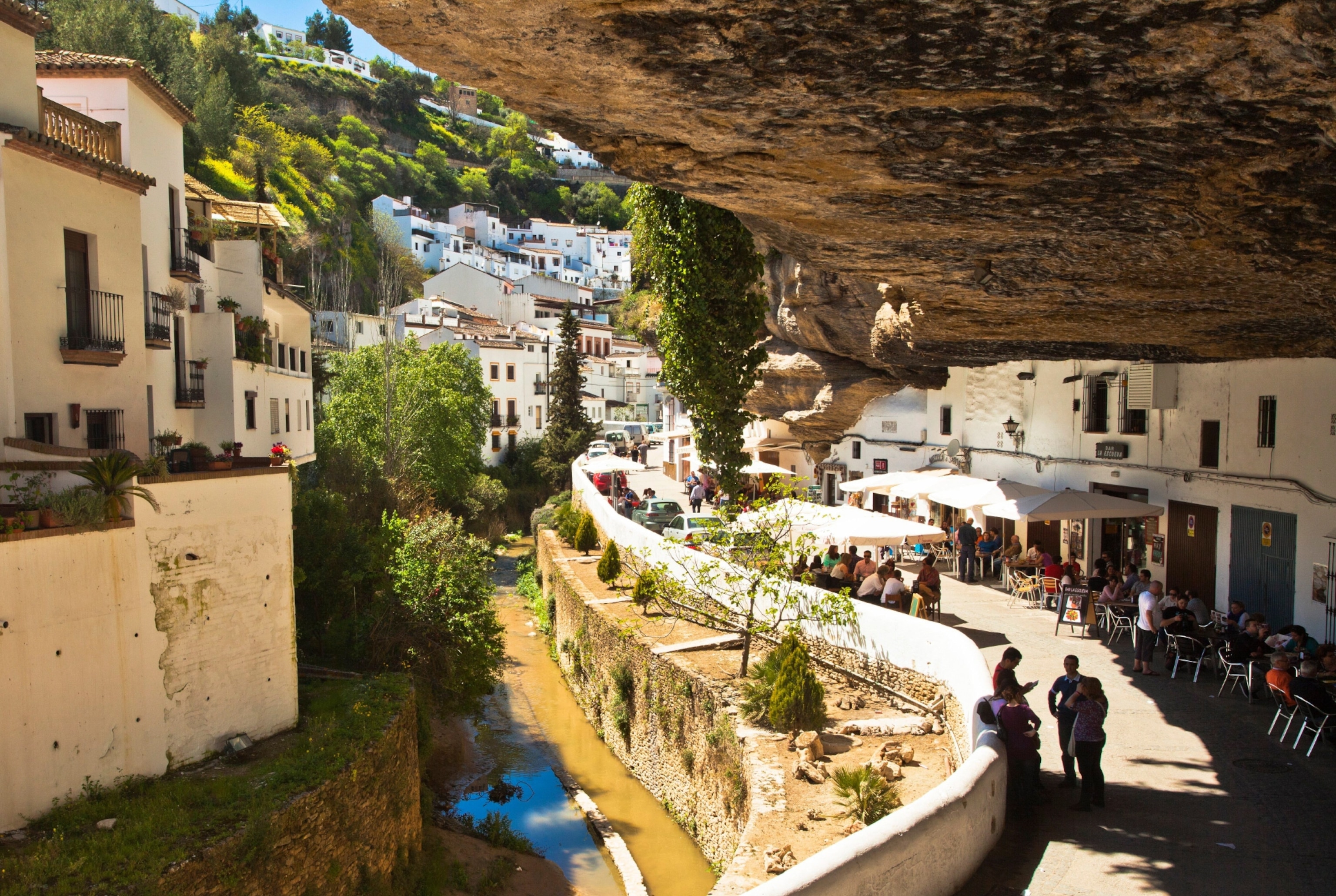
To truly understand the enduring culture of the white towns, one must experience them firsthand. A road trip through Andalusia’s pueblos blancos is a journey back in time, revealing a land where traditional ways of life have persevered against all odds. The villages are linked by a tangle of narrow mountain roads that invite leisurely drives and spontaneous exploration. Starting at the northeast corner of the region, the journey begins at the hilltop village of Olvera, where lines of silver-leafed olive trees stretch to the horizon.
From there, a short drive leads to Setenil de las Bodegas, where a unique collection of historic homes was built directly into a series of overhanging cliff faces. The landscape then turns wild as the road twists into the Parque Natural Sierra de Grazalema, leading to Zahara de la Sierra, a tiny village perched spectacularly on a rocky promontory. For a taste of local culture, a zigzag over the high pass of Puerto de las Palomas leads to Grazalema, a shepherding village famed for its aged cheese and woolen clothing. After the rugged mountain peaks give way to rolling farms, the journey culminates in Algar, the pretty pueblo blanco where the custom of charlas al fresco still lasts all through the summer night.
A Bid for Recognition: Preserving Heritage, Igniting Pride
The campaign to get charlas al fresco recognized as Intangible Cultural Heritage by UNESCO is an ambitious one. As anthropologist Gema Carrera Díaz cautions, the custom is not unique to Algar; it’s a tradition found in many parts of Andalusia and across the Mediterranean. But she argues that a custom doesn’t have to be singular to be worthy of recognition; it’s more significant that it’s representative of a community’s shared values. For a village like Algar, the very process of seeking UNESCO status can help sustain a traditional way of life by sparking conversations about shared values and customs that must be safeguarded.
The mayor’s campaign is not just about looking backward; it is a forward-looking effort to bring new energy to a quiet town. He hopes to put Algar on the map for its friendliness, welcoming travelers to join in the evening chats. While the UNESCO bid is still pending, Sánchez has already seen the campaign’s effect. He recalls seeing a car pull up one summer evening and two strangers get out with beach chairs, ready to take part in the local custom. This heartwarming anecdote is proof that the bid is already achieving its goal, creating a sense of pride and an openness that will, perhaps, ensure that the ancient tradition of conversation finds new life for generations to come.