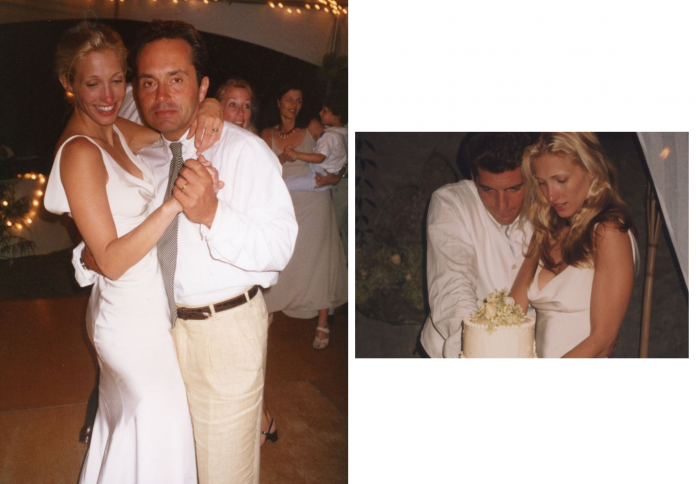
In 1996, the world watched with bated breath as John F. Kennedy Jr., America’s most eligible bachelor, married Carolyn Bessette in a small, top-secret ceremony. But as the photos eventually emerged, it was the bride’s dress, not the royal-like union, that captivated the public’s imagination. In a quiet, powerful act of sartorial rebellion, Bessette-Kennedy chose a simple, bias-cut silk slip dress that rejected the extravagance of the era and, in doing so, created a new blueprint for bridal fashion that continues to inspire brides more than two and a half decades later.
The Dress That Championed Minimalism

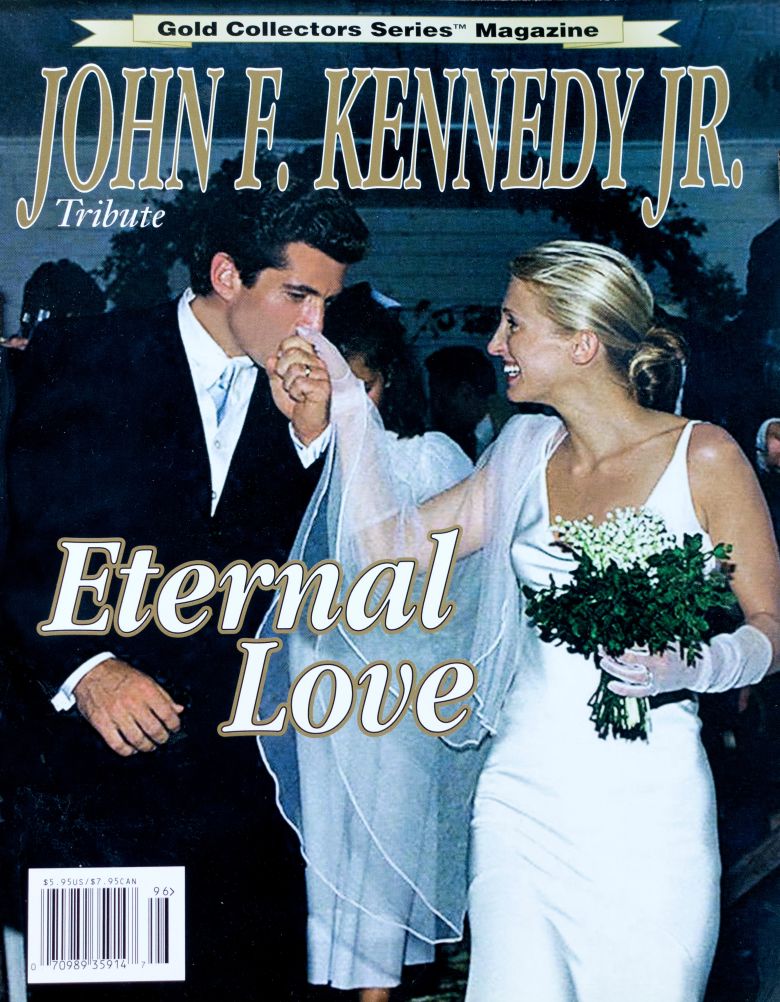
The now-iconic gown was designed by Bessette-Kennedy’s friend, the then-lesser-known designer Narciso Rodriguez. At a time when she was a prominent publicist for Calvin Klein, her choice to champion a friend was both surprising and perfectly “her all along,” as author Sunita Kumar Nair noted. The dress itself was a study in minimalism: a simple, bias-cut silk column with a scooping cowl neck as its only flourish. It was the antithesis of bridal pomp, a “sensuous” garment that Rodriguez designed with “so much love” for a private moment, not a public spectacle. Priced at $40,000 at the time, the dress was a silent statement of understated luxury and timeless style.
A Rejection of Royal Fantasy
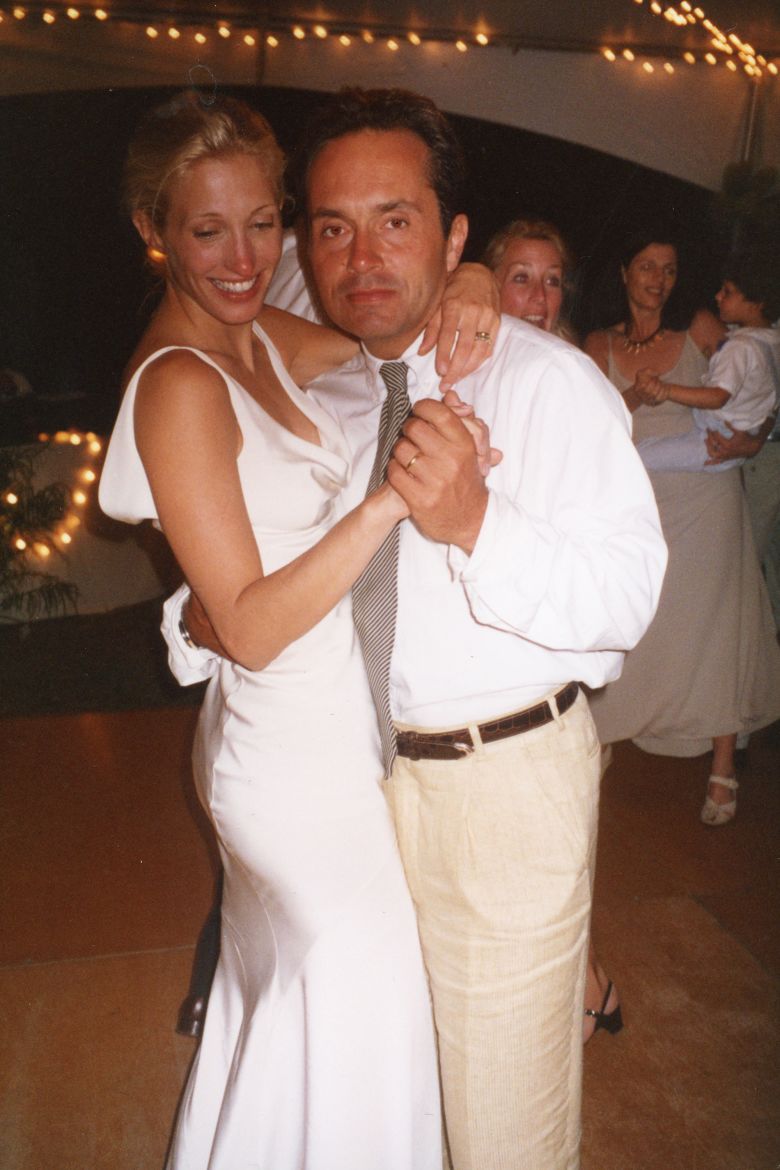
Bessette-Kennedy’s choice was a deliberate and stark contrast to the prevailing bridal trends of the previous decades. While Janet Jackson and Michelle Obama had opted for more traditional gowns, the yardstick for wedding glamour remained Princess Diana’s opulent 1981 dress, with its puffed sleeves and 25-foot-long veil. This “fantasy and fairytales” aesthetic, as described by fashion critic Rachel Tashjian, was what defined a royal wedding. But Bessette-Kennedy, in joining America’s own political dynasty, chose to shed all “embellishment, no ruffles, nothing.” Her dress was a powerful symbol, signaling that she would not be defined by a past fantasy, but would instead “do a clean slate, and look forward to the future.”
The Blueprint for a Modern Bride
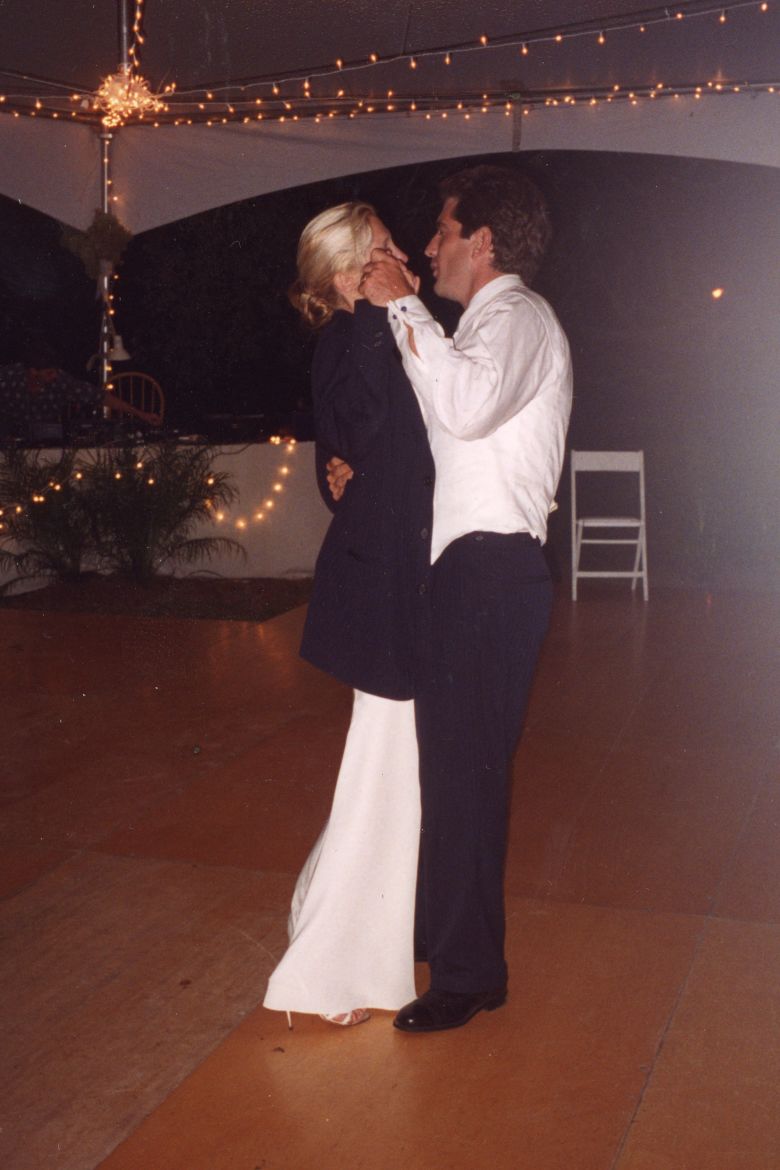
Ironically, the dress that was a trend-rebuking statement quickly became a global trendsetter. Its sleek silhouette sent “reverberations through the wider bridal industry,” with a “massive boom” in demand for similar designs. The dress remains a popular reference for brides, with Vogue wedding editor Alexandra Macon noting that women “very often” emulate Bessette-Kennedy’s look. Its influence even extends to modern-day royalty: Meghan Markle, the Duchess of Sussex, told Glamour magazine that it was her “favorite celebrity wedding dress.” The simple slip dress, once a private garment for a quiet wedding, became a cultural touchstone that can now be found everywhere from high-fashion runways to popular retail stores.
A Timeless Legacy
Carolyn Bessette-Kennedy’s wedding gown was more than just a dress; it was a powerful statement of personal style and a quiet revolution in a world of excess. By choosing a simple, elegant design over grand opulence, she set a standard for a modern, sophisticated bride who defines her own rules. Her ability to make such a quiet statement—in an age of excess and a world that demanded a fairytale—is why we are still talking about the dress today. It was, as Nair aptly put it, the “biggest indicator Carolyn gave of what was to come,” a testament to a timeless legacy that continues to inspire and redefine fashion more than a quarter-century later.