The modern office is no longer a static landscape of rows and cubicles; it is a fluid ecosystem that demands adaptability, technological integration, and a respect for the physiological well-being of its inhabitants. With the release of the Menssula range, Actiu has stepped into this evolving narrative with a collection of sit-stand desks and meeting tables that prioritize both form and kinetic functionality. By shifting the mechanical lift system to an asymmetrical lateral column, the brand has created a striking cantilevered design that effectively redefines the executive workspace. Menssula serves as a reminder that the tools of our trade—the desks where we spend our most productive hours—should not only support our physical movement but also inspire a more open, collaborative, and human-centric approach to leadership.
Engineering the Cantilever Effect
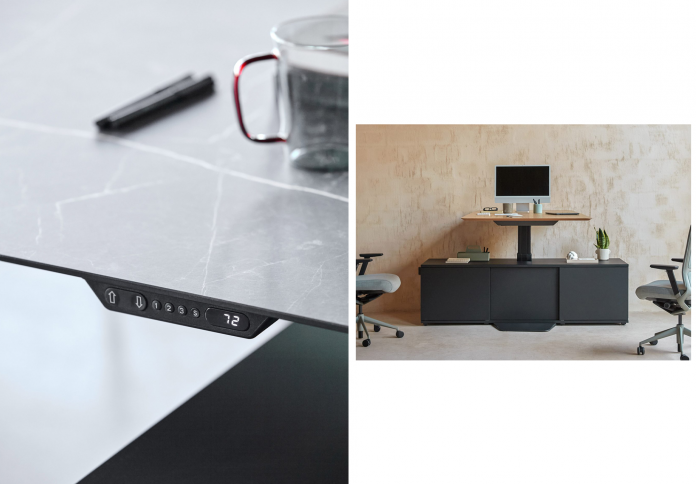
The most distinctive feature of the Menssula range is its departure from traditional, dual-leg, or central-column configurations. By concentrating the motorized mechanical components into a single lateral column, Actiu’s R&D team has achieved a clean, obstruction-free footprint beneath the tabletop. This architectural choice is as functional as it is aesthetic; by freeing up the area beneath the surface, the desk offers greater legroom and visual lightness, reinforcing the impression that the table is floating.

This “gravity-defying” silhouette is paired with an intuitive electric lift system that facilitates seamless transitions between seated and standing positions. For the contemporary professional, this means the ability to integrate active ergonomics into the daily flow of work without the interruption of cumbersome mechanical adjustments. The stability of this cantilevered form is maintained through professional-grade structural engineering, ensuring that even at full height, the desk remains a firm, reliable surface for the tools of a modern digital workflow.
Modularity as a Leadership Tool
Menssula is designed to scale, functioning equally well as a singular executive workstation or as part of a larger, collaborative meeting setup. This modularity is intentional, aligning with modern leadership models that favor horizontal, open, and fluid environments over the closed, hierarchical offices of the past. By creating a space that feels less like a rigid furniture piece and more like a tool for interaction, Menssula encourages a culture of transparency and ease.

The collection’s finish palette reflects a similar commitment to sophisticated restraint. With surfaces available in durable phenolic HPL and laminated MDF, including textures like Pulpis Light and Fenix Black (noted for its anti-fingerprint properties), the desks are built to withstand the rigor of daily office life while maintaining an aesthetically “sober” and elegant presence. It is a design language that eschews unnecessary ornamentation in favor of balanced proportions and clean, architectural lines.
Designing for the “Life-Friendly” Office
At the core of the Menssula development is Actiu’s “Life-Friendly Spaces” philosophy, which posits that furniture should serve as an active partner in enhancing a user’s quality of life. The brand views the office not as a static container for tasks, but as an active tool that can boost performance, encourage healthy posture, and generate a positive, long-lasting impact on team culture.
As we move toward a future where “workplace design” must compete with the comfort of home environments, solutions like Menssula become vital. They provide the necessary professional rigor required for complex projects while acknowledging the human need for variety and comfort. In blending technical innovation with a sculptural, conscious aesthetic, Actiu has not just created a desk; they have designed a platform for the next generation of professional engagement—one that values the health of the worker as much as the output of the work.