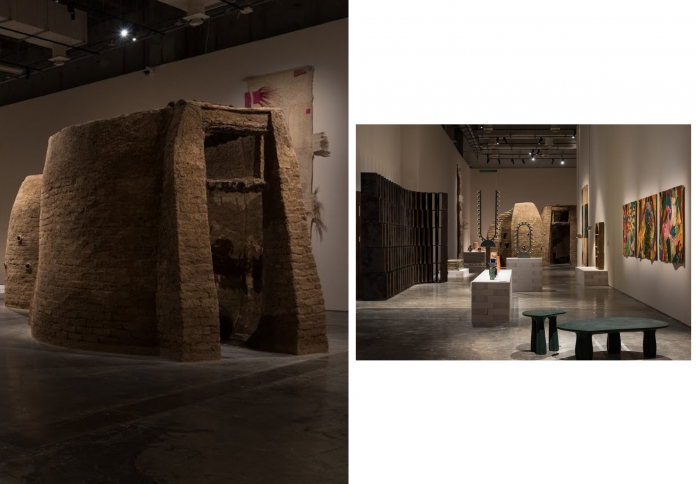
The much-anticipated return of the Design Doha Biennial, originally scheduled to transform the Qatari capital into a vibrant hub of creative discourse this spring, has been officially postponed. Organizers, led by Qatar Museums, announced the decision on April 2, 2026, citing the need to navigate the complexities of the current regional climate. The event, which serves as a critical platform for designers from across the Middle East, North Africa, and South Asia (MENASA) region, will now be held from November 5 to November 7, 2026, with the associated exhibitions remaining open to the public through December 31, 2026. This adjustment reflects a commitment to ensuring the Biennial can be experienced in the collaborative and celebratory spirit for which it was conceived, despite the profound challenges currently facing the region.
Reimagining the Biennial’s Timeline
The postponement shifts the second edition of the Biennial away from its original April 16 to June 30 window, compressing the event into a focused late-year schedule. While the change of dates is significant, the mission of the Biennial remains steadfast. Qatar Museums has emphasized that the goal of connecting people through dialogue and creativity is arguably more urgent now than when the event was first designed. By moving the opening to early November, the organizers aim to provide a more stable environment for the international community of designers, artisans, and collectors who converge in Doha to engage with the region’s evolving design landscape.

The Biennial continues to position itself as a “curatorially driven” series, spanning various institutions and public spaces throughout the city. The updated timeline allows for the programming—which includes major site-specific commissions, workshops, and talks—to retain its depth, ensuring that the exploration of themes like materiality, cultural identity, and urban sustainability is not overshadowed by the volatility of the geopolitical situation.
The Persistent Power of Creative Discourse
The Design Doha Biennial was established to elevate Qatar as a global cultural destination, and its debut in 2024 set a high benchmark for contemporary Arab design. Despite the current atmosphere of regional instability, the organizers maintain that the Biennial serves as a necessary beacon. The event’s overarching thematic focus on “resilience and unity” has taken on a literal meaning in the context of this postponement. The commitment to hosting the Design Doha Prize—which recognizes top-tier talent in categories like Craft and Product Design—remains a cornerstone of the event, with internationally acclaimed designer India Mahdavi still slated to lead the jury.
For the participants and the broader design community, the postponement represents a period of waiting but not of stagnation. The period leading up to November is expected to involve ongoing collaboration between the curators and the local creative cohort, ensuring that the work presented later this year reflects the most current thinking and craftsmanship of the MENASA region.
A Future-Focused Lens on Arab Creativity
As the city prepares for the new November dates, the emphasis remains on the “landscape of the future.” The exhibitions are set to delve into how traditions and resources rooted in deep memory can be repurposed as tools for orientation in a time of rapid change. From the public design commissions aimed at rethinking Doha’s urban fabric to the intellectual rigor of the “Arab Design Now” exhibition, the event seeks to trace plural, shifting trajectories in design rather than linear narratives.
While the delay is a pragmatic response to external pressures, the organizers believe the resulting event will be a testament to the enduring nature of human ingenuity. By late 2026, the Biennial aims to be not just an exhibition, but a vital meeting point where the “theatre of the mind” and physical craftsmanship intersect, proving that even in the face of rupture, design can offer a space for renewal and profound collective reflection.