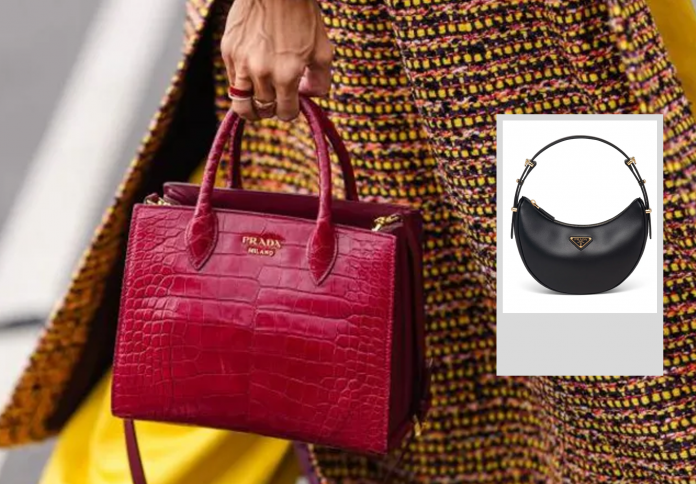
In a landmark deal set to reshape the fashion world, Prada has acquired its smaller rival Versace for $1.36 billion. The merger of these two legendary italian labels aims to build a new powerhouse in luxury fashion—one that can challenge the dominance of conglomerates like LVMH and Kering. As Prada promises to preserve and reinvent Versace’s bold aesthetic, the fashion industry watches with curiosity and high expectations.
A strategic move in uncertain times
In the wake of cooling global demand for luxury fashion, Prada has chosen to expand its portfolio with a major acquisition. On Thursday, the Prada Group confirmed it would purchase Versace for $1.36 billion, including the brand’s outstanding debts. This is a significant discount from the $2.15 billion Capri Holdings paid in 2018, suggesting both a market correction and Versace’s diminished financial standing.
The acquisition talks, which began in February, concluded amid growing pressure on fashion houses to consolidate in order to survive and scale. “Versace has huge potential,” said Prada CEO Andrea Guerra. “The journey will be long and will require disciplined execution and patience.” By acquiring Versace, Prada hopes to inject new life into a faltering icon while positioning itself to compete on a global stage.
Versace’s legacy enters a new chapter
Versace, with its maximalist designs and baroque motifs, has long stood out in the fashion world. Founded by Gianni Versace in 1978, the brand became synonymous with boldness, sensuality, and unapologetic glamour. But over the past decade, the label has struggled to maintain relevance and profitability. Losses mounted even as the brand’s aesthetic remained distinct.
Donatella Versace, who took over as creative director after her brother’s tragic death in 1997, recently stepped down from the role after nearly 30 years. She now serves as chief brand ambassador, while Dario Vitale—formerly of Prada’s Miu Miu line—takes the helm as chief creative officer. This leadership change, timed with the acquisition, signals a careful but deliberate shift in the brand’s future direction.
Prada chairman Patrizio Bertelli underscored the importance of honoring Versace’s heritage while evolving its image. “We aim to continue Versace’s legacy celebrating and re-interpreting its bold and timeless aesthetic,” he said. The challenge will be merging the identities of two strong-willed brands without losing what made either of them iconic.
Italy’s answer to luxury supergroups
For years, italy’s luxury houses have thrived independently but lacked the kind of unified power seen in France’s mega-conglomerates. LVMH boasts Louis Vuitton, Dior, and Fendi, while Kering commands Gucci, Balenciaga, and Saint Laurent. With this acquisition, the Prada Group is making its bid to become italy’s first true luxury supergroup.
The addition of Versace to a portfolio that includes Miu Miu, Church’s, and Car Shoe gives Prada both stylistic range and market strength. The deal doesn’t just expand product categories; it diversifies consumer appeal, combining Prada’s modernist minimalism with Versace’s ornate drama. Together, they may have the creative and commercial force to rival the french giants.
Still, the road to success will require more than brand prestige. Prada must manage integration carefully, preserve each house’s creative identity, and find new ways to grow amid a shifting fashion climate. The merger offers opportunity, but also demands strategy and finesse.
Reinventing tradition for the next generation
This acquisition arrives at a moment when fashion itself is changing. Younger consumers want more than logos—they want values, storytelling, and innovation. Both Prada and Versace bring history and heritage, but the future lies in how they adapt to today’s tastes without compromising what makes them unique.
Prada has long been admired for its slow, considered growth and its ability to navigate trends without surrendering identity. If it can now bring that same balance to Versace, the results could be transformative. Dario Vitale’s appointment suggests that Prada is placing its trust in homegrown talent and continuity of vision, rather than pursuing radical disruption.
The story of Prada and Versace is no longer one of rivalry but of partnership. It’s a bold play for relevance, reach, and reinvention—one that could define the next chapter of italian fashion. Whether this union will bring sustained success or struggle remains to be seen, but one thing is clear: the stakes have never been higher, and the world is watching.