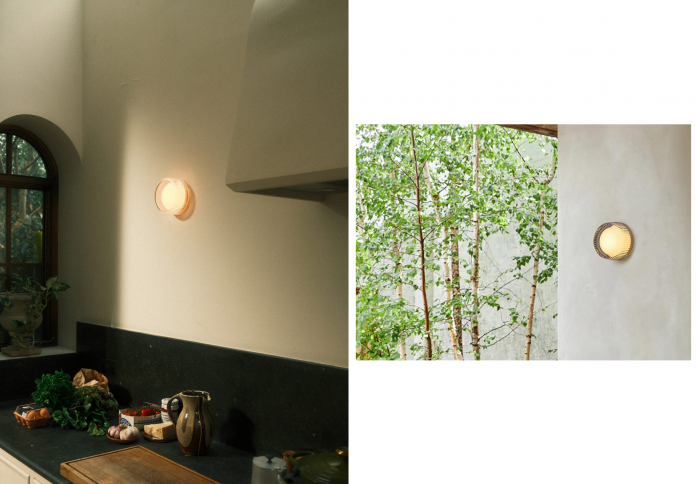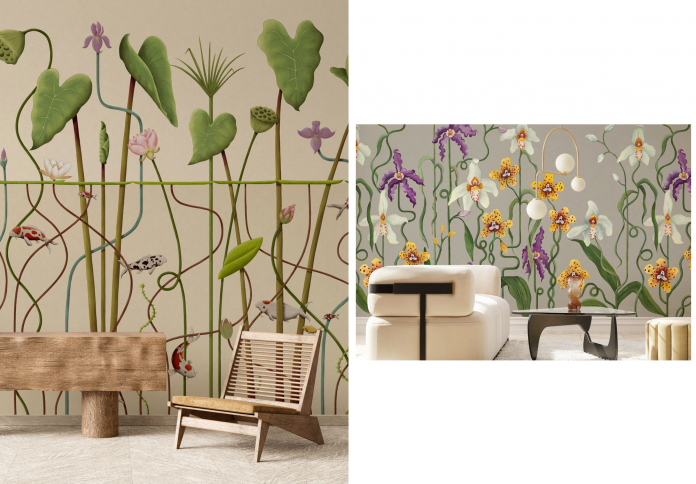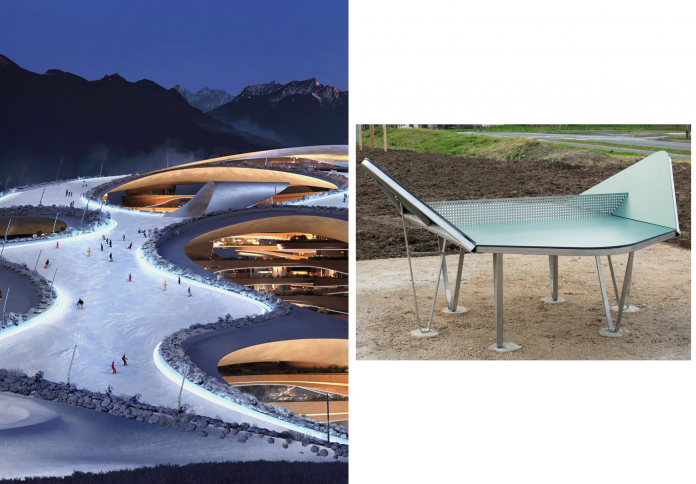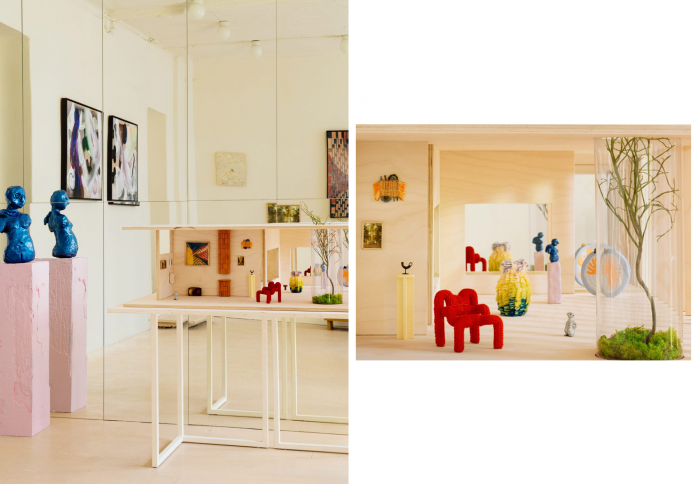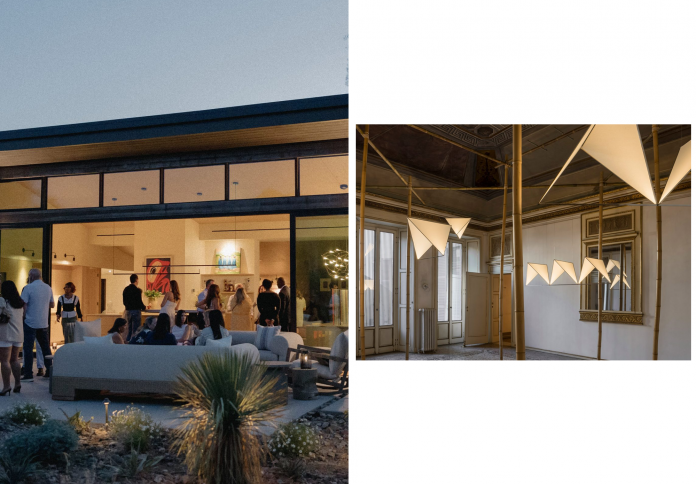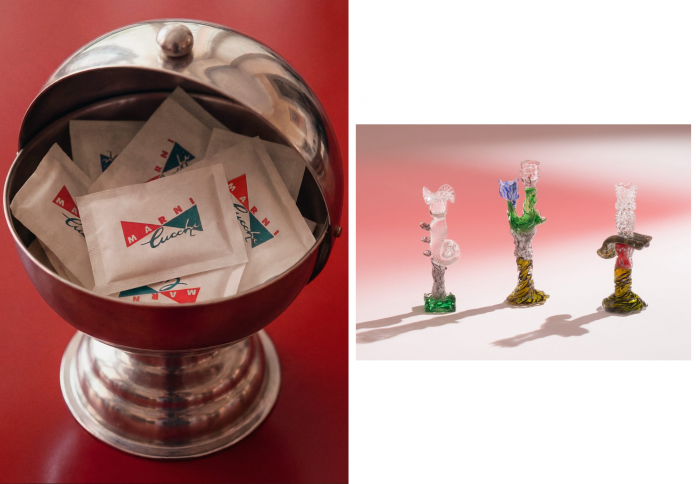
Milan Design Week 2026, held from April 20 to 26, transcended the traditional boundaries of a trade fair to become a living, breathing laboratory of human-centric evolution. Under the guiding theme “Be the Project,” this year’s edition shifted the focus away from the “finished object” toward the process itself, positioning design as an ongoing, responsible act of creation. Throughout the city, from the halls of Salone del Mobile to the intimate courtyards of the Fuorisalone districts, the event emphasized a movement toward immersive, multi-sensory experiences. It was a week defined by a conscious return to craft, a deep interrogation of material origins, and a collaborative effort to envision design not as a static luxury, but as a dynamic practice capable of responding to the complexities of our time.
The Shift Toward Process and Participation
The central theme of “Be the Project” served as a clarion call for the industry to embrace the beauty of imperfection and the value of the journey. Rather than presenting static, untouchable products, designers focused on “living practices,” where the act of making was placed at the forefront. Installations like Lina Ghotmeh’s Metamorphosis in Motion at Palazzo Litta transformed the historic courtyard into a labyrinthine, ephemeral landscape, treating architecture as a temporal process rather than a permanent monument. This shift was mirrored across the city, where brands and independent studios alike began to frame their exhibitions as collaborative ecosystems, inviting visitors to engage with the evolution of a design from raw material to finished form.

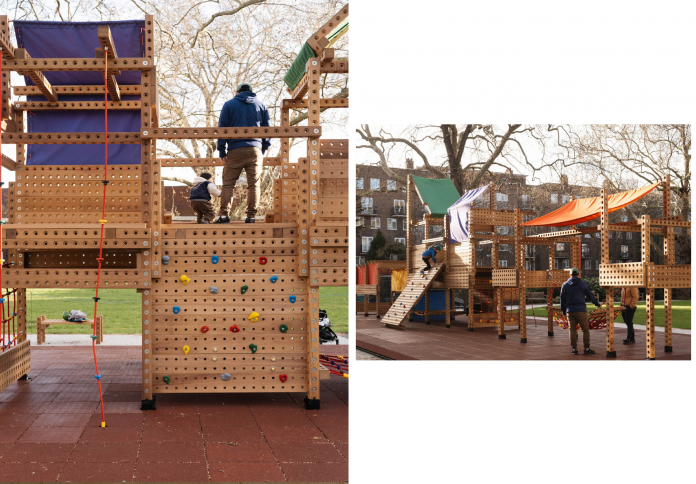
This participative spirit was particularly evident in the “Catalyst” locations, which sought to blur the lines between art, architecture, and interior design. By abandoning the barrier-heavy displays of the past, designers created fluid environments that encouraged natural movement and spontaneous interaction. The focus was firmly on the human experience—how a space feels, sounds, and smells—marking a departure from the purely data-driven efficiency that had previously dominated the market.
Materiality and the Revival of Craft
If the theme of the week was the “process,” the language through which that process was articulated was material. Across Brera, Isola, and 5Vie, there was a palpable resurgence of interest in traditional craftsmanship reimagined through contemporary lenses. Whether it was the intricate ceramic mosaic murals of Massimiliano Locatelli or the textile-driven narratives exploring political and social identities, artisans were celebrated not as relic-makers, but as innovators. This revival was not merely aesthetic; it was an act of reclamation, with designers using materials like recycled PET, wood, and glass to create new bodies of work that carry the traces of their past while signaling a departure toward more sustainable futures.

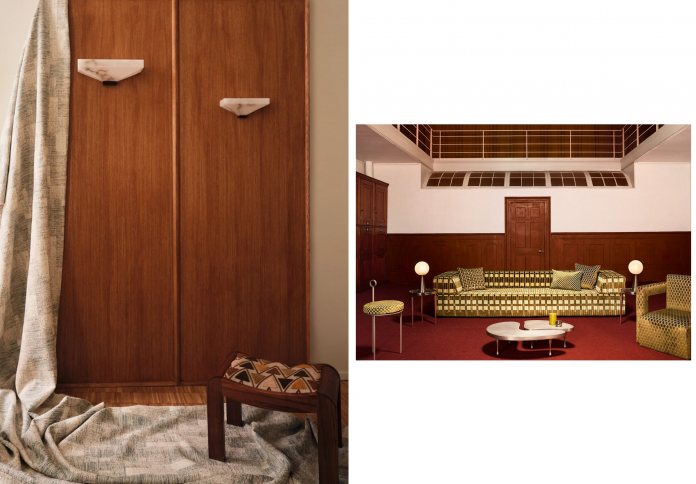
This commitment to material honesty was also reflected in the high-end sector. Brands such as Molteni&C and Poltrona Frau emphasized material depth and tactile quality, proving that luxury is increasingly defined by the richness of textures—marble, brass, wood, and textiles layered to create sensory intimacy—rather than ostentatious ornamentation. The result was a design landscape where every surface felt deliberate, connected to a history of labor, and attuned to the sensory needs of the user.
The Evolution of the Domestic Landscape
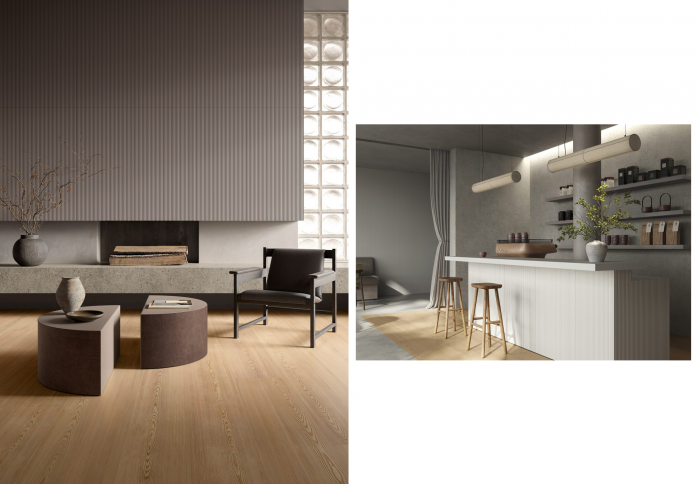
Milan 2026 solidified the transition of the home into a holistic sanctuary, a direct response to the sensory overload and uncertainty of the modern world. Residential-style installations, particularly those showcased by brands like RH, who opened their monumental seven-level palace on Corso Venezia, focused on creating “cocooning” environments. These spaces were conceived as unified aesthetic universes, where lighting, furniture, and art converged to support well-being and rest.

The integration of technology—not as a disruptive force, but as an invisible, atmospheric one—allowed these environments to breathe. From kinetic lighting installations that shifted in color and emotion to furniture designed for comfort-driven transition, the focus remained on creating spaces that foster connection. Whether through the experimental narratives at Alcova or the refined, architectural clarity of the new collections presented at Rho Fiera, Milan Design Week 2026 proved that the future of design lies in our ability to treat our environments as essential, supportive partners in our daily lives.