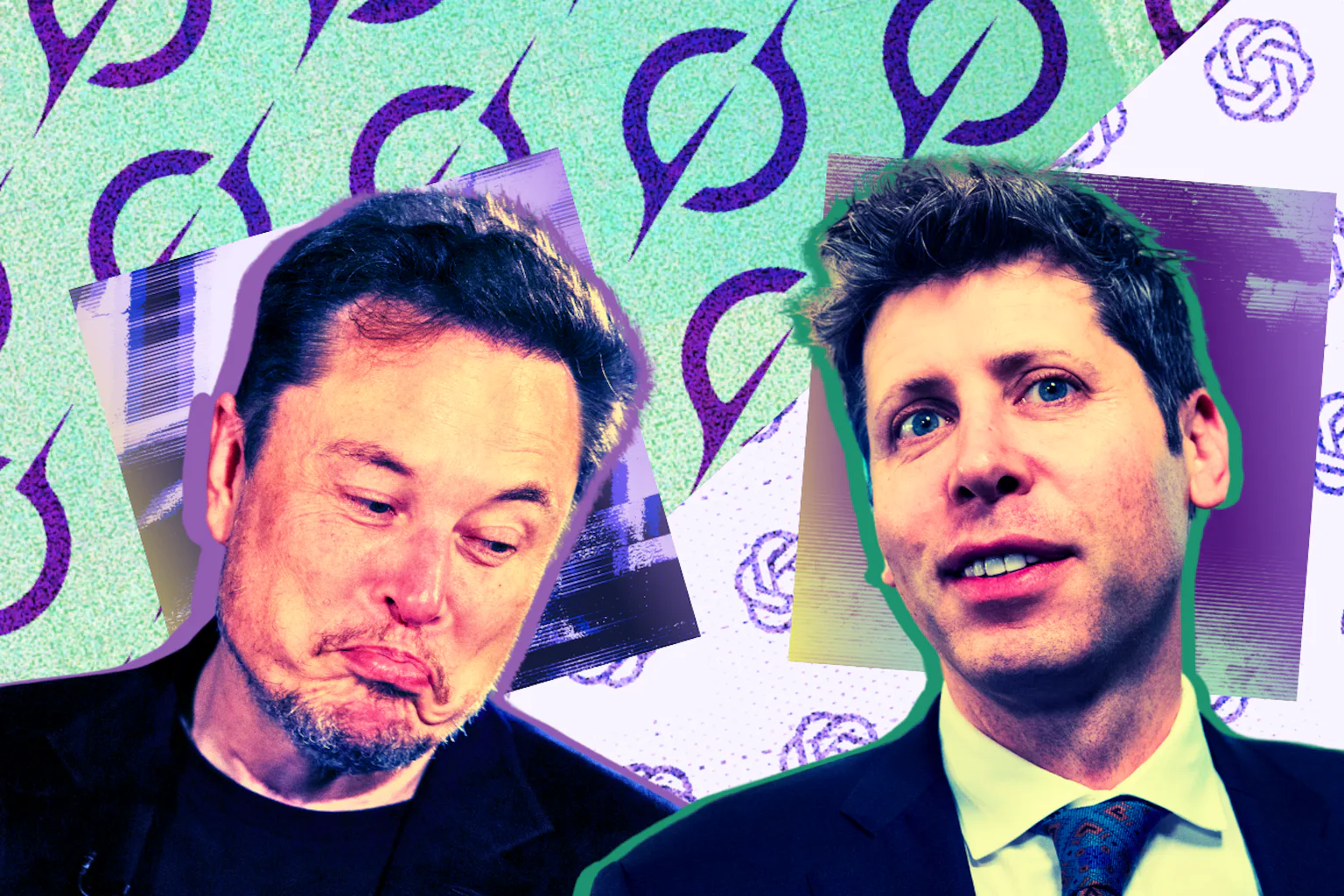
The bitter legal showdown between Elon Musk and OpenAI CEO Sam Altman represents far more than a personal feud between two silicon valley giants; it is a watershed moment for the global artificial intelligence landscape. At its core, the lawsuit centers on a fundamental philosophical and structural betrayal: Musk’s assertion that OpenAI abandoned its founding non-profit mission to develop open-source artificial general intelligence (AGI) for the benefit of humanity in pursuit of commercial profit with tech behemoth Microsoft. As the courts navigate breach of contract claims, charitable trust violations, and statute of limitations defenses, the proceedings illuminate deep fractures in AI governance, public trust, and corporate accountability. Ultimately, this legal clash exposes how a remarkably small group of powerful tech leaders holds sway over transformative technologies, forcing a global reckoning over who should control, profit from, and direct the future of synthetic intelligence.
The Shattered Ideal of Open-Source Philanthropy
When OpenAI was established in 2015, its founding ethos was built upon altruistic safety and radical transparency. Co-founded by Elon Musk, Sam Altman, Greg Brockman, and a small cohort of researchers, the venture was structured as a non-profit designed to serve as an ethical counterweight to corporate tech monopolies like Google. The original mission pledged to make its research open-source and prioritize human flourishing over quarterly profit margins.
The turning point occurred when the immense capital required to train cutting-edge large language models outstripped philanthropic donations. The transition to a capped-profit model and the subsequent multi-billion-dollar partnership with Microsoft marked a radical departure from its founding principles. Musk’s legal action argues that this pivot effectively converted an open, public-serving research laboratory into a closed-source, proprietary subsidiary, turning shared intellectual property into corporate equity and setting a dangerous precedent for future tech governance.
The Ideological Rift: Commercial Agility Versus Precautionary Safety
Beneath the legal filings lies a sharp ideological divide over how dangerous, transformative technologies should be released to the world. On one side, Altman and OpenAI defend their commercial restructuring as an absolute practical necessity. Developing frontier AI models demands astronomical compute power, specialized hardware, and top-tier talent—resources that traditional non-profit models cannot sustain. From this perspective, commercialization is the engine that funds safety research and accelerates breakthroughs toward usable AGI.
On the other side, critics and AI safety advocates argue that tying frontier research to commercial incentives creates an existential conflict of interest. When profit considerations dictate deployment, safety testing and ethical guardrails are inevitably rushed to satisfy market demands and outpace competitors. The legal scrutiny on OpenAI’s internal governance exposes the fragility of relying on self-regulated corporate boards to safeguard technologies capable of reshaping labor markets, national security, and human cognition.
Personal Rivalries and Corporate Hegemony
While the case raises critical policy questions, the courtroom dynamics revealed how deeply personal rivalries dictate the trajectory of transformative tech. The discovery process laid bare private text exchanges, internal diaries, and strategic maneuvering, illustrating how personal grievances between former allies often overshadow high-minded rhetoric about saving humanity.
This hyper-concentration of power within a small cabal of executives highlights a growing democratic deficit in tech governance. The direction of artificial intelligence—a tool that impacts global economic structures and individual everyday lives—is being actively shaped by the strategic maneuvers and legal squabbles of a handful of billionaires. The trial underscored that despite grand proclamations regarding public benefit, corporate control of AGI remains firmly consolidated within an elite Silicon Valley hierarchy.
Redefining the Future Landscape of Artificial Intelligence
Regardless of specific judicial rulings or procedural dismissals, the legal battle between Musk and Altman marks the end of AI’s idealist era. The proceedings have stripped away the myth of neutral, purely altruistic AI development, accelerating regulatory scrutiny across the United States and Europe. Governments and antitrust regulators are increasingly questioning whether proprietary partnerships between AI startups and legacy Big Tech firms create anti-competitive monopolies that stifle open-source innovation.
Moving forward, the AI industry faces a bifurcated landscape. One path continues toward closed, heavily commercialized ecosystems driven by massive venture capital and corporate partnerships. The other demands a renewed commitment to open-source models, public oversight, and decentralized research frameworks. As the legal dust settles, the battle between Musk and Altman serves as a permanent warning: when humanity’s most powerful tools are left to market forces and billionaire rivalries, the line between public interest and commercial ambition quickly disappears.