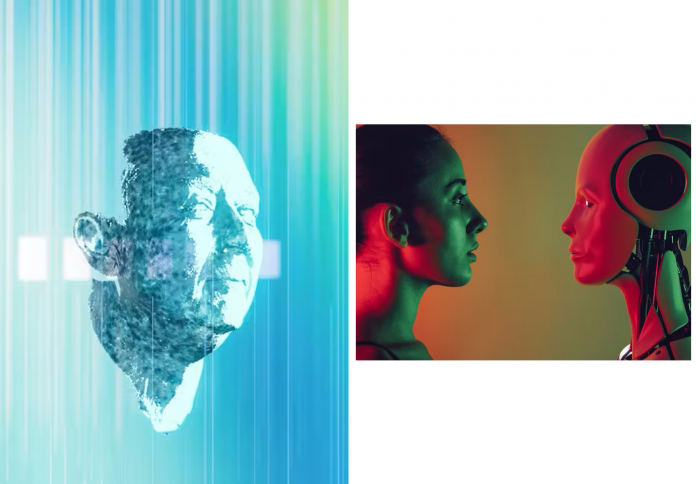
The advent of artificial intelligence has pushed the boundaries of technology into deeply emotional and philosophical territory, giving rise to “deadbots”—synthetic simulations designed to mimic the voice, personality, and memories of deceased loved ones. While these interactive avatars are marketed as comforting tools for the bereaved, a growing chorus of psychologists and ethicists warns of severe psychological risks. By keeping a digital replica active, grieving individuals may find themselves trapped in a state of chronic, unresolved loss, fundamentally altering how humanity processes mortality and remembrance. This technological intervention into the finality of death blurs the line between healthy memorialization and pathological avoidance, raising profound questions about the psychological cost of refusing to let go in a hyper-connected digital landscape.
The Allure of Synthetic Immortality
For centuries, human grief has been mediated by static mementos: photographs, letters, home videos, and physical heirlooms. These artifacts provide comfort while implicitly acknowledging the absolute finality of death. Deadbots shatter this traditional paradigm by offering dynamic, real-time interaction. Powered by machine learning algorithms trained on text messages, social media posts, and voice recordings, these applications allow users to “chat” with a simulated version of someone who has passed away.
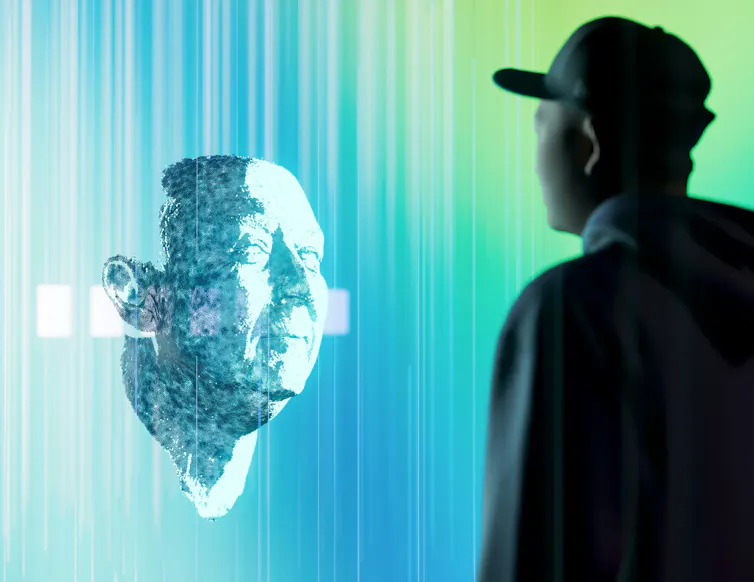
The temptation to engage with such technology is entirely understandable. When faced with the crushing void of sudden loss, the promise of hearing a familiar voice or receiving a comforting text message offers a powerful, albeit artificial, reprieve. However, this immediate emotional solace often masks long-term psychological peril. The illusion of continuity prevents the natural processing of grief, substituting genuine emotional labor with an automated echo that can never truly evolve, surprise, or offer authentic closure.
Fueling the Cycle of Pathological Grief
Psychologists have long identified the necessity of acceptance as a crucial stage in mourning. Healthy grief involves confronting the reality of absence, adapting to a world without the deceased, and gradually reinvesting emotional energy into living relationships. Deadbots, by design, subvert this necessary adaptation. By maintaining a persistent digital presence, they encourage individuals to cling to an idealized, frozen version of the past.
This continuous interaction can easily spiral into pathological grief—a debilitating state where the bereaved become emotionally tethered to a simulation. Instead of integrating the loss into their life story, users remain stuck in a loop of anticipatory longing and artificial reassurance. The feedback loop created by a responsive AI avatar can impede the brain’s natural healing mechanisms, transforming what should be a painful yet navigable transition into a chronic, looping psychological fixation that resists closure.
The Ethical Quandary of Consent and Autonomy
Beyond the individual psychological toll, the proliferation of deadbots introduces complex ethical dilemmas regarding consent. In many cases, these digital avatars are created by surviving relatives without the explicit prior permission of the deceased. This raises unsettling questions about posthumous autonomy: does an individual have a right to control how their persona, voice, and likeness are utilized after death?
Furthermore, deadbots are inherently flawed creations. They do not possess consciousness or genuine affection; rather, they are probabilistic text generators predicting the next logical word based on historical data. When a simulation hallucinates a response or expresses sentiments the deceased would never have held, it can inflict secondary trauma on the grieving user. The emotional stakes are simply too high for software that operates on statistical approximation rather than emotional truth, risking deep psychological harm under the guise of therapeutic support.
Reclaiming the Natural Boundaries of Mortality
The rise of AI deadbots forces a broader societal reckoning with our cultural discomfort around death and dying. In modern society, grief is frequently treated as a malfunction to be corrected, a painful inconvenience to be bypassed through efficiency and distraction. Yet, sorrow, remembrance, and the painful acceptance of absence are fundamental facets of the human condition that teach us about love, empathy, and the precious fragility of life.
Navigating the future of digital mourning will require a renewed commitment to psychological resilience. While technology will continue to offer novel ways to store memories and document lives, we must fiercely protect the sacred finality that makes human connection meaningful. True healing does not come from trapping our loved ones in silicon purgatories, but from carrying their authentic legacies forward within our own living, breathing memories.