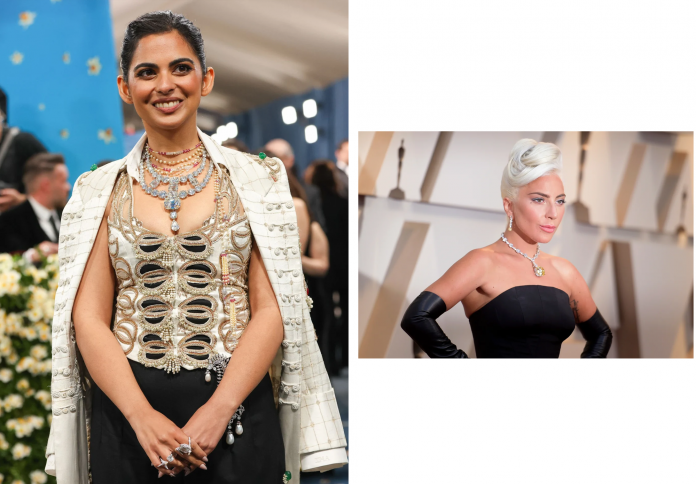
At recent star-studded events like the Met Gala and Cannes Film Festival, the red carpet has dazzled with more than just glamorous gowns and sharp tuxedos. Megawatt diamonds and vibrant gemstones sparkled under the spotlight, but it’s the rare, not-for-sale jewelry pieces from luxury houses’ private archives that have truly captured attention — igniting buzz on social media and among fashion insiders alike. Jewelry lovers have been captivated by creations like Indian billionaire heir Isha Ambani’s custom necklace, a breathtaking cascade of diamonds inspired by a historic Cartier design from the 1930s, or singer Diljit Dosanjh’s lavish necklace recalling a legendary 1,000-carat diamond piece once worn by a Maharaja. These exquisite jewels aren’t simply accessories; they are treasured artifacts that carry stories of heritage, artistry, and exclusivity.
A growing trend: Vintage jewels take center stage
The fascination with archival jewelry on the red carpet isn’t entirely new, but it has surged in recent years. The moment Lady Gaga wore Tiffany’s iconic 128.54-carat yellow diamond at the 2019 Oscars—famously first worn by Audrey Hepburn in 1961—marked a turning point. This historic gem, valued at over $30 million, signaled a renewed appetite for the extraordinary past.
This trend became even more pronounced at the 2022 Met Gala. The event’s “Gilded Glamour and White Tie” theme inspired Cartier to lend vintage pieces from the 1910s to 1930s to stars like Emma Corrin and YouTube personality Emma Chamberlain. With jewels once owned by royalty and collectors, these pieces brought a palpable sense of history and grandeur to the modern spotlight. Luxury brands have increasingly invested in acquiring and restoring historic creations, offering them on loan for major red carpet moments—an approach that elevates the event and enhances brand prestige.
Heritage jewels: Exclusivity meets storytelling
At recent high-profile events, stars like Cynthia Erivo and Felicity Jones have worn vintage emeralds and Art Deco diamond sets, making heritage jewels a key element in their red carpet looks. Stylist Nicky Yates explains the appeal: “Using heritage jewelry from the archive is incredibly appealing—not just because these pieces are exceptional, but also because access to them is so rare. That exclusivity helps create a real fashion moment.”
Boucheron’s CEO Hélène Poulit-Duquesne echoes this sentiment, emphasizing that archive pieces are not just museum relics but “living and breathing” creations meant to be admired and worn. Since 2015, Boucheron has expanded its heritage collection and regularly presents these jewels to stylists dressing celebrities worldwide, ensuring these treasures continue to shine on the global stage.
Timelessness that resonates beyond fashion
Showing heritage jewels on the red carpet is more than just a style statement—it’s a strategic move. According to Achim Berg, an independent luxury consultant, the enduring recognition of archival pieces confirms their lasting creative and cultural value. “Jewelry is a good investment,” Berg says, “because pieces from the past remain relevant and timeless.”
Anthony Ledru, president and CEO of Tiffany & Co., agrees, noting that red carpet moments generate excitement around historical pieces that inspire contemporary designs. Iconic archival jewels like Jean Schlumberger’s “Bird on the Rock” brooches have seen renewed interest thanks to this spotlight.
Heritage matters for emerging brands too
Legacy brands aren’t the only ones leveraging their archives. Milan-based Pomellato, founded in 1967, has showcased its history through exhibitions and vintage jewelry worn by its ambassador Pilar Fogliati at major events. Boris Barboni, Pomellato’s marketing and product officer, explains that revisiting the past fuels creativity and connects jewelry lovers with the brand’s vision and identity.
“This investment in heritage allows us to rediscover history in new ways,” Barboni says, highlighting Pomellato’s recent capsule collection inspired by its 1990s designs. For both brands and consumers, the archive serves as a bridge between tradition and innovation.
The red carpet as a cultural treasure hunt
Laurent François, partner at Paris-based communications firm 180 Global, describes the red carpet as “a cultural treasure hunt” where spotting archival pieces creates excitement and deeper engagement among luxury-savvy audiences. “It invites curiosity and signals belonging,” François explains, noting that this trend offers a rare glimpse into the most treasured jewels and stories from luxury houses.
As luxury embraces emotionally resonant experiences, these heritage jewels do more than shine—they connect us to history, craftsmanship, and a sense of exclusivity that few other fashion elements can match. In this way, the red carpet is not just a stage for glamour but a showcase of timeless artistry and cultural legacy.