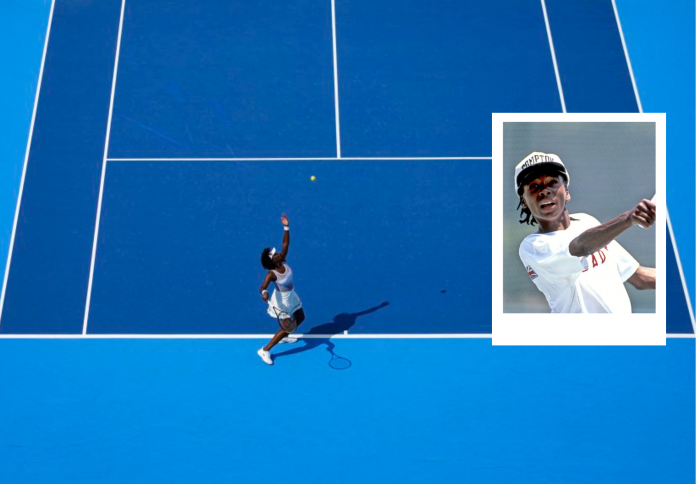
After winning seven Grand Slam singles titles and a host of other accolades, there is seemingly very little left for Venus Williams to achieve in the sport of tennis. Yet, at 45 years old, she continues to defy expectations, competing at the highest level after receiving a wild card into the US Open. To understand how Venus is still a force to be reckoned with more than 30 years after her professional debut, one must look back to the very beginning, to a moment of “rage” and prophecy witnessed by her childhood coach, Rick Macci.
The First Glimpse of Greatness: A “Rage” and a Prophecy
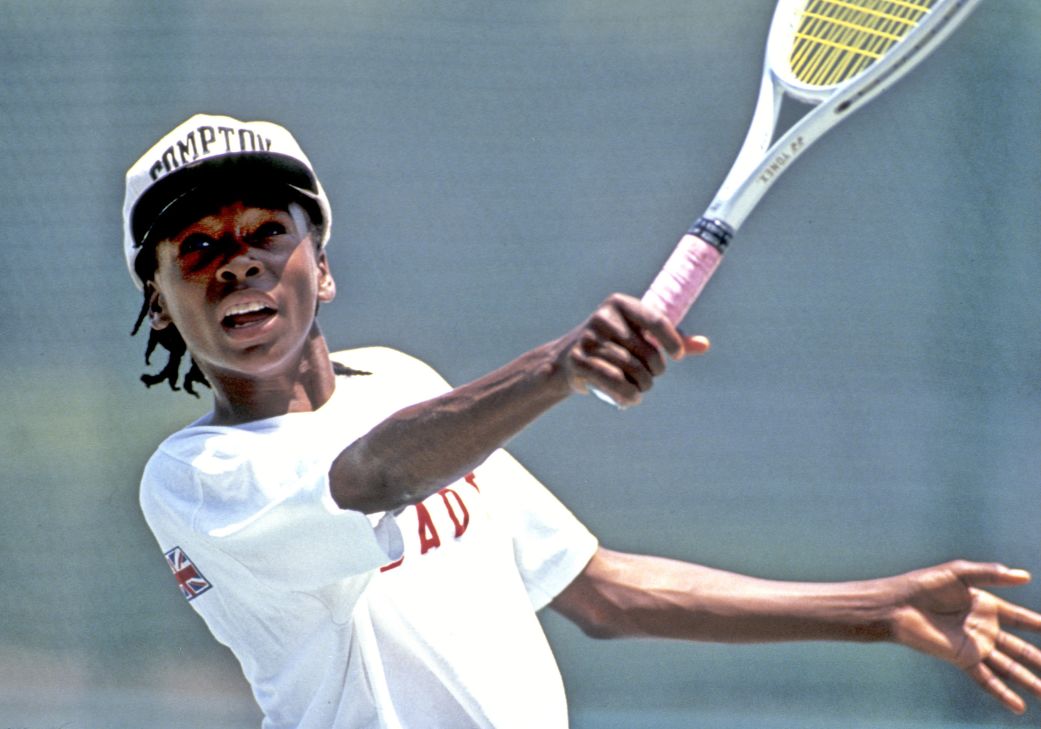
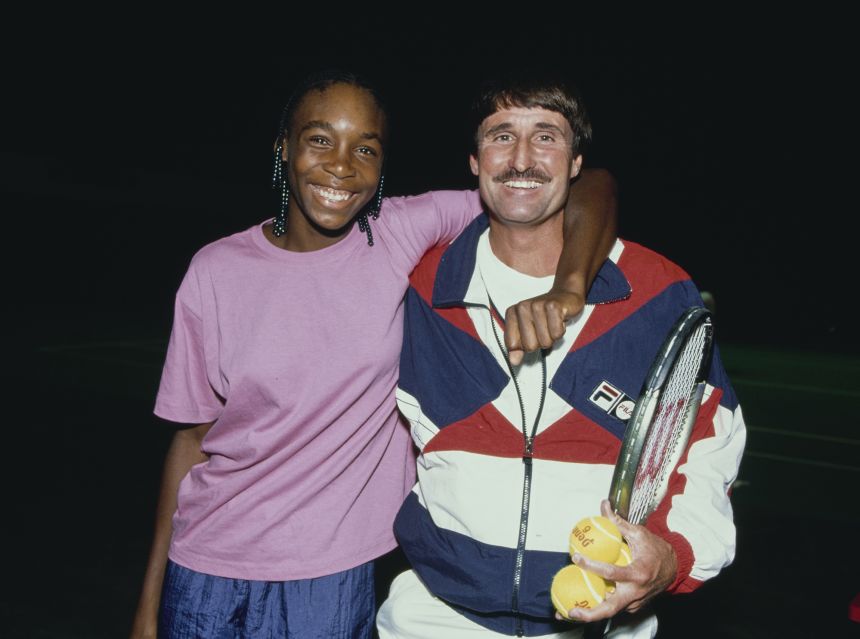
Macci, a coach who had worked with some of the sport’s best players, was initially underwhelmed during his first practice with a young Venus and her sister Serena. But the routine drills gave way to competitive points, and that’s when everything changed. As Macci recalls, he was stunned by the girls’ fierce determination. “I never saw two little girls, especially Venus, run so hard to get to a ball, even when it was 20 feet away from them. They would run so hard, they would almost fall down. It was almost like there was a rage,” he told CNN. This raw, unteachable ferocity, he realized, was the mark of a champion. In a moment since immortalized in film, Macci turned to the girls’ father, Richard, and declared, “You got the next female Michael Jordan on your hands.” Richard, ever the visionary, corrected him: “No brother, man, I got the next two.”
Beyond the Court: Overcoming Sickness and Injuries

That same “bulletproof” mentality has defined the later stages of Venus’s career, allowing her to overcome significant physical challenges. In 2011, she revealed her battle with Sjögren’s syndrome, a debilitating autoimmune disease that forced her to take time away from the sport. Her career was subsequently hampered by a string of injuries, but she always found a way back. This year, after a 16-month hiatus necessitated by surgery for uterine fibroids, Venus made a remarkable comeback at the DC Open. Her first-round win over Peyton Stearns made her the oldest woman to win a singles match on the WTA Tour since Martina Navratilova in 2004. As part of her return, she also received a wild card into the US Open mixed doubles, where she and her partner, Reilly Opelka, were defeated in a hard-fought match against Andrey Rublev and Karolína Muchová.
The Secret to Longevity: Sabbaticals and Love of the Game
According to sports scientist Mark Kovacs, Venus’s longevity is a rare combination of athletic talent, a fierce competitive drive, and her willingness to step away from the sport. Her breaks for business ventures and philanthropic work, Kovacs explains, have allowed her to mentally and physically recharge. “What she’s doing now is unbelievable. She’s still competitive. She’s still able to play with these people that could be her kids, literally,” he said. It’s a testament to her love for tennis, but also a clever strategy for managing the grind of a professional career. By taking sabbaticals, she returns to the court feeling refreshed, focused, and ready to compete, proving that her career is a marathon, not a sprint.
An Unfinished Legacy: Inspiring a New Generation
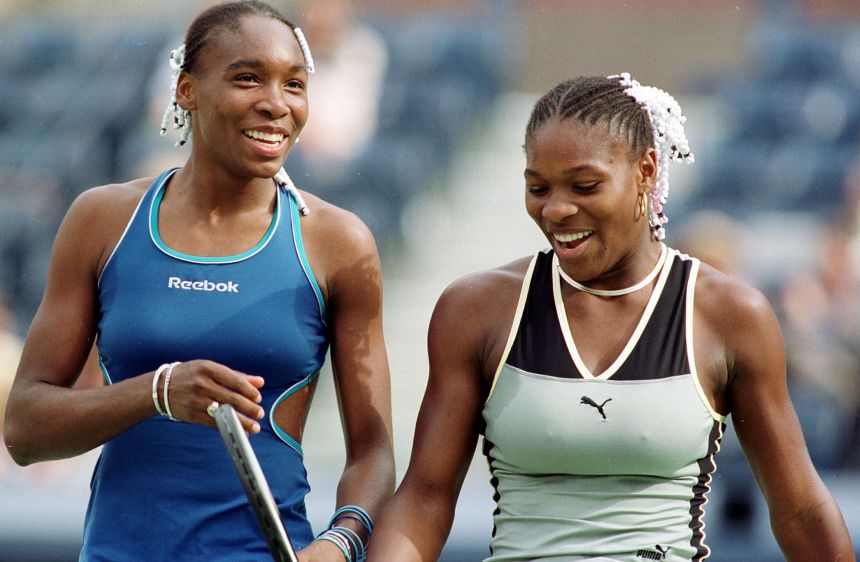
While Venus may no longer be at her dominant best, her influence is as potent as ever. Her first-round US Open singles match, a three-set loss to the 11th seed Karolína Muchová, was a masterclass in resilience and was a fitting testament to her legendary status. Muchová herself confessed to being “stressed” by the occasion, calling Venus a “legend” and admitting it was an “honor to share a court with her.” This sentiment is echoed by the next generation of players, including 16-year-old American talent Julieta Pareja, who calls it “special” to share a wild card with Venus at the US Open. For these young players, Venus is not just a historical figure; she is a living inspiration, a symbol of what is possible through talent, passion, and an unbreakable will. Regardless of her final results, her story continues to shape the sport, proving that her “bulletproof” mentality is a legacy that will inspire for decades to come.