From ancient megaliths to red rock canyons, sacred sites have long drawn travelers in search of something beyond the physical. As modern life becomes increasingly digital and distracted, more people are turning to these mystical destinations—not just for beauty or history, but to feel connected to something deeper. What is it about these places that speaks to the soul?
Seeking connection in a disconnected world
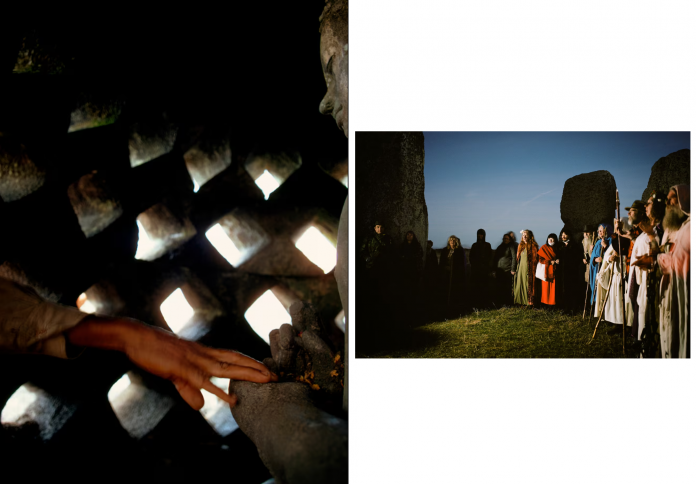
As the morning sun cuts across the ancient stone ruins of Chaco Canyon, the light lands with uncanny precision on carved walls aligned with the stars. At Peru’s Machu Picchu, clouds part over a mountaintop city where precision engineering and spiritual intention seem indistinguishable. In Arizona, the red rocks of Sedona pulse with a quiet energy that many believe radiates from the Earth itself. And on the Salisbury Plain, Stonehenge’s massive stones continue to puzzle and enchant, casting long shadows across a mystery older than recorded history.
These places, and countless others like them, stir a shared human feeling—reverence, wonder, and the sense that something wise and ancient lingers. Today, as more people feel adrift in an always-online world, the pull of these sacred destinations is stronger than ever. According to researchers, it’s not just about seeing the sights—it’s about seeking something transcendent, a deeper sense of presence and meaning.

“Humans believe that the sacred is an energy that inhabits particular places or buildings,” says Jeffrey Kripal, professor of religious thought at Rice University. “We somehow need this as human beings.” Natural wonders like mountains and canyons, notes anthropologist Susannah Crockford, trigger a deep emotional response. Their vastness reminds us of our place in the universe—and perhaps hints at something beyond it.
Spaces built to inspire awe
Not all sacred spaces are natural. Human-made structures, from ancient temples to grand cathedrals, have also long served as physical gateways to the divine. “Cathedrals, temples, and mosques are constructed to create this sense of connection to something greater than oneself,” explains Sabina Magliocco, professor of anthropology and religion at the University of British Columbia.
Think of Borobudur in Indonesia, a massive stone mandala that rises like a mountain from the jungle, or GöbekliTepe in Turkey, an ancient ceremonial site so old it predates Stonehenge by thousands of years. Such sites were often designed not just to impress, but to elevate the human spirit.

Across cultures and eras, people have built places meant to house rituals, mark transitions, and connect with something larger than themselves. These sacred designs—whether towering spires or quiet prayer nooks—give structure to spiritual yearning. They’re places where architecture meets mythology, and the physical world opens toward the metaphysical.
Stories that shape the sacred
But sacredness isn’t only about stone and soil—it’s about stories. What we believe about a place shapes how we experience it. According to Magliocco, “People make places sacred. We create places through space personally.” A regular seat at a neighborhood café can become sacred through routine and ritual. Scale that up across generations, and you have Stonehenge or the Camino de Santiago.
Cultural storytelling weaves the threads of myth, memory, and meaning into the physical landscape. These narratives turn ordinary geography into spiritual maps: a cave becomes the birthplace of gods, a spring becomes a font of healing. Over time, as rituals are repeated and stories are retold, these places become more than their physical form. They become touchstones for belief, history, and identity.
`This layering of meaning is why sacred places are so enduring—and why many are built atop older ones. Sacredness sticks. It accumulates. Even when the original purpose is forgotten or reinterpreted, the power of place often remains.
Sacredness is shaped by the seeker
Why one person finds a site deeply moving while another feels little depends not just on the place, but on the person. “There isn’t one answer as to why these spaces are sacred,” says Crockford. “When someone tells you an answer, the answer tells you more about the person you’ve asked, rather than the space itself.”
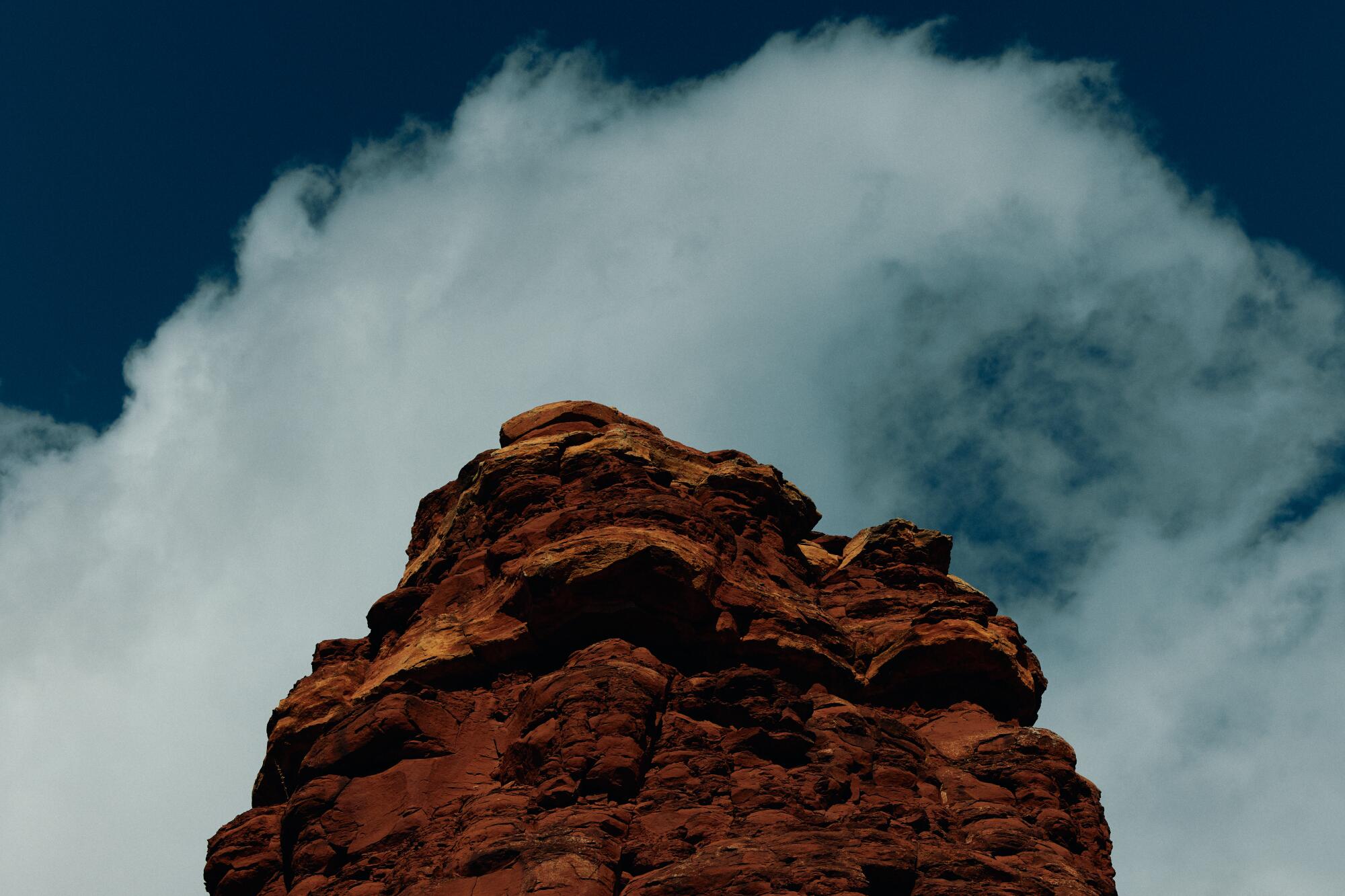
A devout pilgrim might describe a divine presence; a neuroscientist might point to brain activity triggered by awe. A yogi feels energy alignment among the red rocks of Sedona, while a hiker on the Camino may find spiritual insight in the journey itself, rather than the shrines along the way.
Kripal agrees that it’s the interaction, not just the location, that defines the experience. “I suspect it’s a relationship between the person and the place,” he says. This relationship is often self-reinforcing: as more people report spiritual awakenings in a location, others visit with that expectation—and are more likely to experience something profound themselves.
Personal experience is sacred enough
Skeptics might argue that these feelings are psychological, not spiritual. But that doesn’t make them any less real. “These experiences are personal and individualized. You can’t run a replicable experiment to prove someone’s mystical experience,” Crockford says. “But that doesn’t invalidate it.”
In fact, it may make them more precious. At a time when science increasingly replaces myth with data, and when meaning can feel fragmented in our algorithmic lives, these sacred encounters offer something different—something timeless. They tap into a human need for continuity, wonder, and connection. In a secular world, they create sacred moments.
And while places like Machu Picchu, Stonehenge, or Sedona can feel extraordinary, experts remind us that the capacity for sacredness isn’t confined to the world’s most famous sites. “We can make a meaningful place out of anywhere,” says Magliocco. It’s the stories we tell, the rituals we repeat, and the emotions we invest that transform space into sanctuary. As Kripal puts it, “The real Mecca just might be in the heart.”