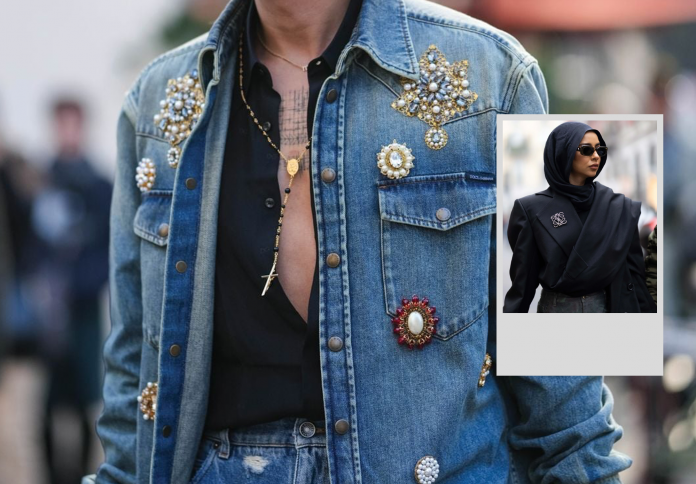
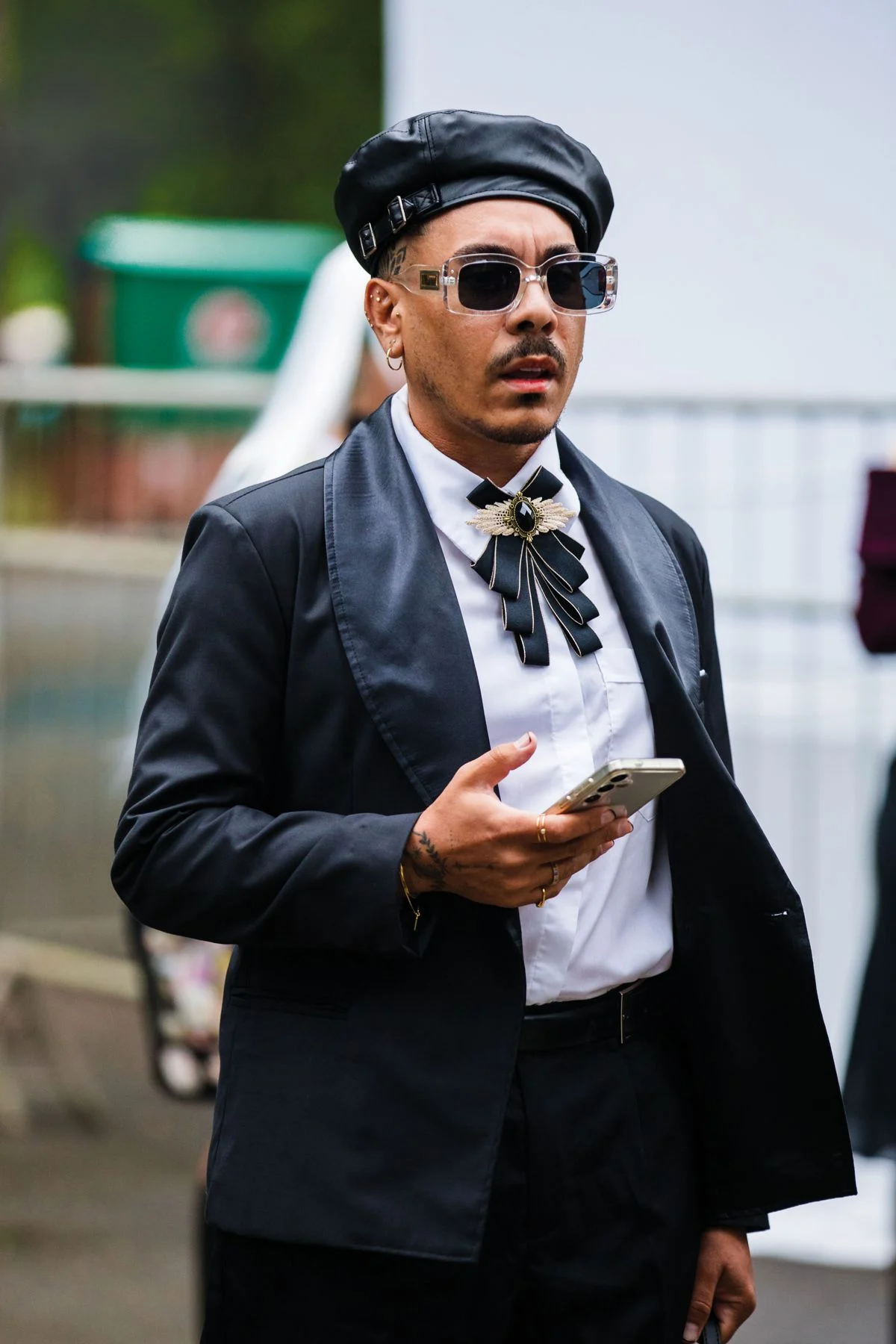
No longer a relic of dusty jewelry boxes or aristocratic portraits, the brooch is back with bold ambition. Pinned with purpose on lapels, hats, and even as necktie alternatives, brooches are captivating the fashion world once more. This resurgence isn’t just a trend—it’s a statement about individuality, heritage, and the evolving language of style.
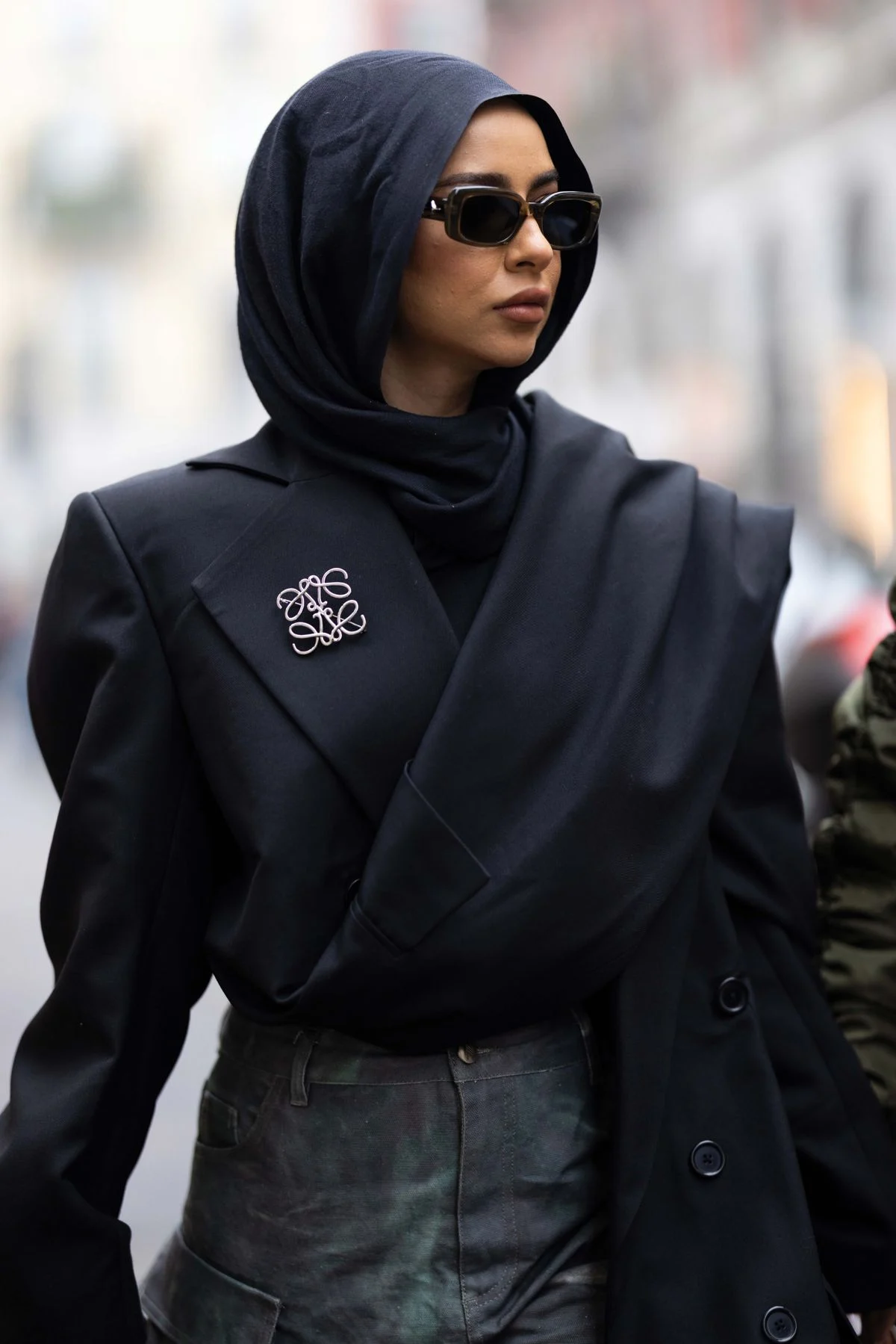 Once relegated to your grandmother’s jewelry case or a vintage boutique’s forgotten corner, the brooch has reemerged from the margins of fashion with stunning force. With the fashion world in full-throttle experimentation, the brooch—an accessory once seen as fusty or ceremonial—is now a key emblem of modern self-expression. Whether it’s a minimalist pin gleaming on a structured blazer or an extravagant jeweled piece scattered across a utility jacket, the brooch is the unexpected hero of contemporary styling.
The Spring 2025 runways signaled this transformation loud and clear. Chanel reimagined its signature camellia in oversized, soft-fabric blooms pinned over tweed jackets and silk dresses. At Bottega Veneta, brooches took on a high-tech turn, appearing in polished chrome forms clipped to leather coats and knitwear, more like sculptural artifacts than accessories. Meanwhile, emerging labels like Conner Ives and SS Daley layered vintage-inspired brooches over genderless tailoring, introducing a kind of punk aristocracy to the mix.
Off the runway, the trend has permeated the streets with even greater fervor. During Paris Fashion Week, brooches were spotted clustered across the chest of bomber jackets, functioning almost like wearable collages. In Milan, dapper minimalists used a single brooch as a tie substitute, reimagining the accessory as part of avant-garde menswear. From New York’s Lower East Side to the corridors of the Palais de Tokyo, the brooch has become the styling wildcard—never predictable, always striking.
A history of power, romance, and rebellion
The brooch’s revival is not only sartorial—it’s historical. This accessory has existed for thousands of years, dating back to the Bronze Age. Early forms were both decorative and practical, securing garments in place while displaying tribal insignias or wealth. In Ancient Greece and Rome, fibulae (an early brooch prototype) were symbols of civic pride, while in the Byzantine era, gem-encrusted pins denoted spiritual and imperial status.
Fast-forward to the Victorian era, and brooches took on a more intimate role. Lockets hidden within them carried painted portraits or locks of a lover’s hair. Mourning brooches—often jet-black and inscribed with initials—offered quiet homage to departed souls. And love brooches, with hearts and vines carved in silver or gold, expressed romantic longing in an era when public declarations were taboo.
But brooches have also been deeply political. During the early 20th century, suffragettes wore specific brooches—often in the movement’s signature colors of green, white, and violet—to signal their allegiance. Later, in the mid-20th century, brooches became staples for heads of state and diplomats. Queen Elizabeth II’s famed brooch collection—gifted by nations and passed down from generations—was more than decorative: each piece chosen with careful diplomatic messaging in mind.
In Hollywood, stars like Elizabeth Taylor and Audrey Hepburn used brooches to elevate evening gowns and off-the-shoulder silhouettes. Yet, by the 1990s and early 2000s, brooches had fallen out of favor, often associated with primness or formality. That’s what makes their return now feel not only refreshing but delightfully rebellious.
Why now?
The brooch’s current revival feels less like nostalgia and more like a reclamation. In an era driven by maximalist self-expression and a longing for sartorial authenticity, the brooch offers a styling flourish that is at once personal and performative. Unlike trendier accessories that come with rigid rules—statement necklaces, Y2K belt bags, or micro sunglasses—the brooch defies formula. It can be minimalist or ornate, ironic or earnest, vintage or high-tech. It’s a rare kind of accessory that allows the wearer to dictate the message entirely.
This freedom couldn’t be more relevant today. As fashion contends with the homogenizing effects of algorithms and mass production, brooches allow for micro-expression within a macro aesthetic. A vintage insect brooch pinned to a trench coat tells one story; a crystal safety pin holding together a draped dress tells another. These are objects of adornment, yes—but also tools of storytelling.
Moreover, the brooch fits seamlessly into the ongoing rise of genderless and non-binary fashion. Unlike traditionally gendered accessories like earrings or necklaces, brooches inhabit a more neutral space. Designers and wearers alike are using them to disrupt gender codes, not reinforce them. Just look at Harry Styles, who’s been known to wear pearl brooches with soft tailoring, or Lil Nas X, who’s paired oversized pins with bejeweled suits.
A canvas for craft and conversation
At its core, the brooch is an invitation to experiment—and to elevate. It bridges eras, genres, and cultures. From an antique Art Deco piece to a plastic 3D-printed pin, the brooch continues to evolve alongside the fashion it decorates. For artisans and jewelers, it also offers a rare canvas. Brooches are often one-of-a-kind creations, unconstrained by trends or silhouettes. Designers like Delfina Delettrez and Christopher Thompson Royds treat brooches as miniature sculptures, blending metalwork with narrative design. Meanwhile, upcycled brooches made from discarded watch parts, vintage cameos, and enamel pins speak to the sustainability movement sweeping fashion.
Socially, the brooch has also found new purpose. In recent years, brooches have been used to signal political solidarity—just as they did in the suffragette era. Following the 2020 US presidential election, many public figures wore fly or pearl brooches as subtle but potent symbols of resistance and identity.
And in the age of social media, brooches lend themselves to storytelling like few other accessories. A single post featuring a cluster of brooches—each with its own story, era, or motif—can read like a wearable archive. Pinterest, Instagram, and TikTok are full of styling videos and “brooch hauls,” showing how this once-overlooked item is winning a new generation of collectors.
In a fashion world constantly seeking “what’s next,” the brooch proves that sometimes the most exciting direction is backward—or at least sideways. It’s not about reviving the past, but reanimating it. The brooch of 2025 is not the brooch of your grandmother’s Sunday best—it’s bolder, smarter, and fiercely personal. So, if your jewelry box is feeling a bit uninspired, it might be time to “brooch” the subject. Whether you opt for a flea market find, a family heirloom, or a futuristic designer piece, don’t be afraid to pin with personality. After all, fashion’s greatest stories are often the ones we wear.