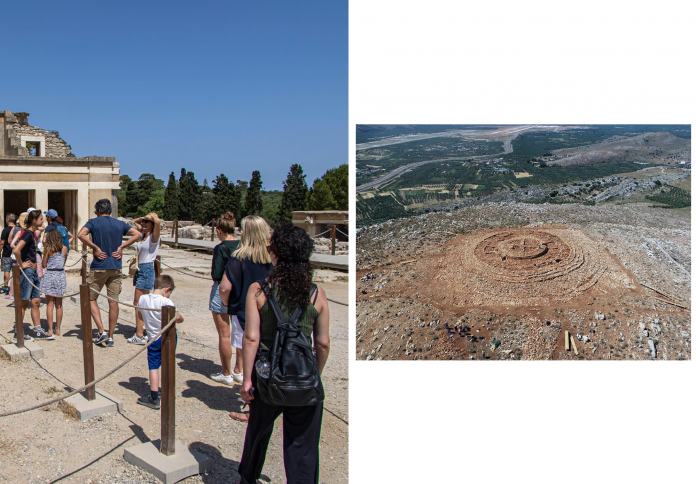
On the island of Crete, a massive building boom fueled by a sharp rise in tourism has collided dramatically with an ancient past, creating a fierce conflict between development and preservation. During preparatory work for a new international airport, builders unearthed an extraordinary 4,000-year-old Minoan monument on Papoura Hill. This sprawling, labyrinthine stone complex, resembling a giant wheel with concentric rings, is unlike any other Minoan find, prompting archaeologists to hail it as one of the most important discoveries of the 21st century. However, Greek officials are pressing ahead with plans to build essential airport infrastructure, including a 98-foot-radar tower, perilously close to the site. This conflict in Crete is the latest, high-profile example of a frequent tension across Greece, where archaeological finds—once a cause for celebration—are now seen by developers as an increasingly problematic obstacle to economic progress.
The Unique Nature of the Minoan Find
The newly discovered monument belongs to the Minoan civilization (c. 2000 to 1450 B.C.), considered Europe’s first civilization, renowned for its sophisticated art and palace architecture on Crete. However, the structure on Papoura Hill is architecturally unique, presenting an extraordinary puzzle to experts.
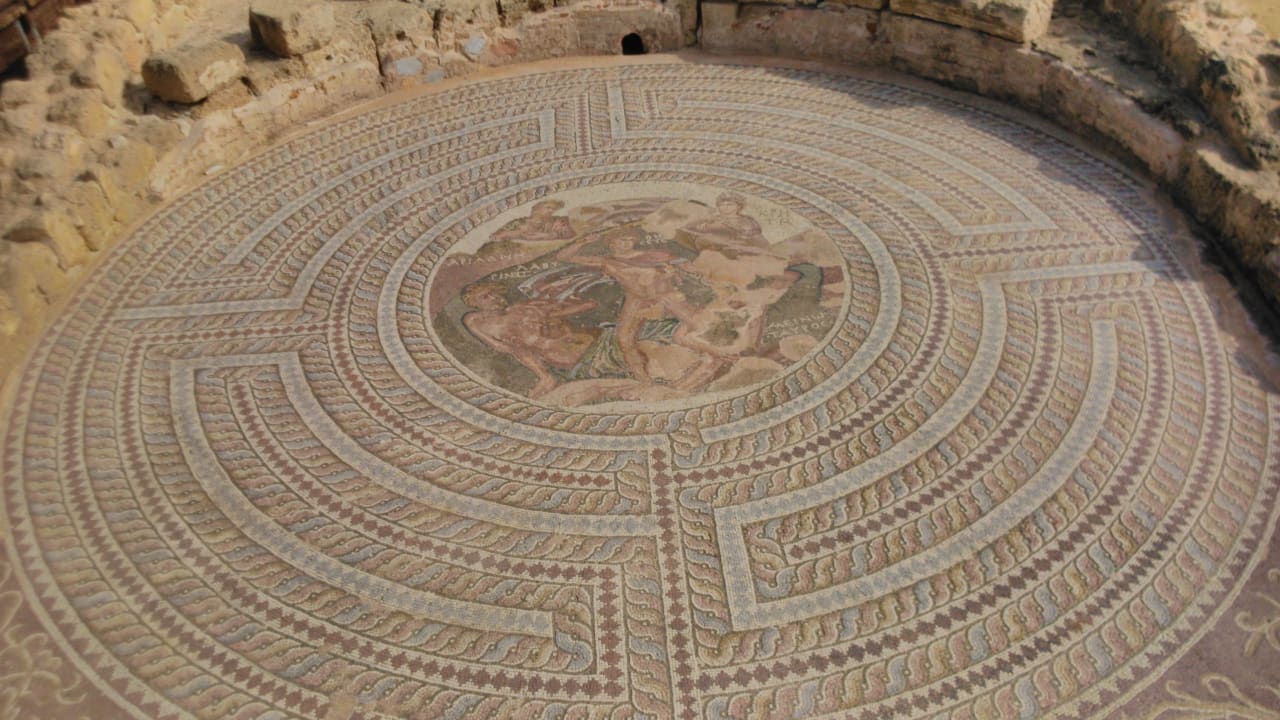
The monumental structure spans over 19,375 square feet and consists of seven concentric stone rings that emerge from a central circular building, all connected by narrow passageways. The architectural layout, which is highly advanced for the era, has no known exact parallels. Archaeologists have suggested a range of possible uses: it could have been a military post, a long-term dwelling, or, most likely, a communal prayer or ritual site, given the animal bones found inside. Its design is reminiscent of the earliest depictions of the mythical labyrinth and Bronze Age tholos (beehive) tombs.
The Clash Between Culture and Infrastructure
The controversy over the Papoura Hill discovery highlights the intense pressure exerted by Greece’s current economic resurgence, which is heavily reliant on tourism and EU-funded infrastructure projects. Crete, attracting millions of visitors, desperately needs the new airport, but the location chosen for the essential radar tower directly conflicts with the ancient site.

The Greek government’s Ministry of Culture has called the site “unique and extremely interesting” but has ultimately sided with the civil aviation authorities, who state that Papoura Hill is the only safe location for the radar without leaving a critical gap in air traffic coverage. This decision has sparked fierce opposition, with over 300 archaeologists and historians worldwide signing a statement arguing that the project risks “irreversible damage” to an “iconic monument.”
A National Trend: Corporate Timelines vs. Heritage
The Papoura Hill controversy is not an isolated incident but an emblematic case of a wider national tension in Greece. The country’s construction boom—driven by major projects like the Ellinikon urban complex and new metro systems—routinely unearths significant antiquities, creating costly delays.
A high-profile precedent is the Thessaloniki metro project, where the discovery of an ancient Roman and Byzantine avenue led to years of protests and legal battles. While a compromise was reached to display artifacts in situ, the site’s integrity was lamented by archaeologists. Experts argue that archaeological discovery is now often viewed as an “obstacle to be managed,” rather than a cause for celebration. Because Greece lacks a comprehensive map of its entire archaeological wealth, every new construction site is a potential flashpoint, often leading to corporate timelines trumping archaeological integrity.