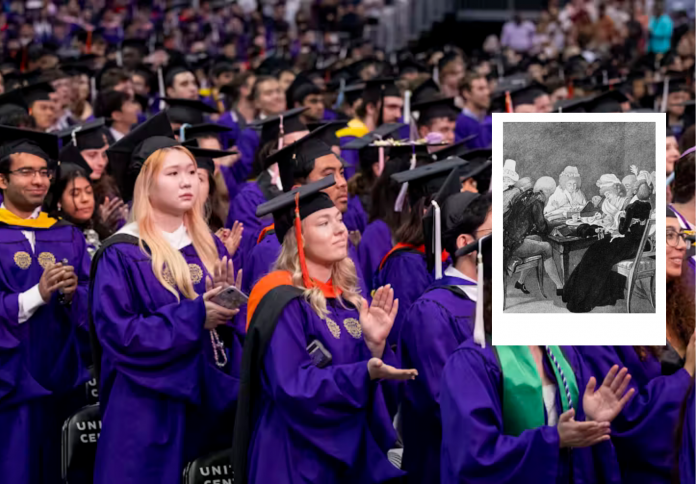
Amidst the rise of AI that can outperform humans in many tasks, humanities education endures—rooted not in technical output, but in deep personal and civic growth. Philosophical insights from the Enlightenment and today’s challenges alike reveal why cultivating the human mind remains essential.
Origins of a Visionary University
The modern university was born during the Enlightenment, under thinkers like Humboldt, Schleiermacher, and Hegel, who envisioned education as a journey of self-development—known by the German term Bildung. Education, in this view, wasn’t just about acquiring knowledge; it was about shaping oneself around one’s inner purpose.
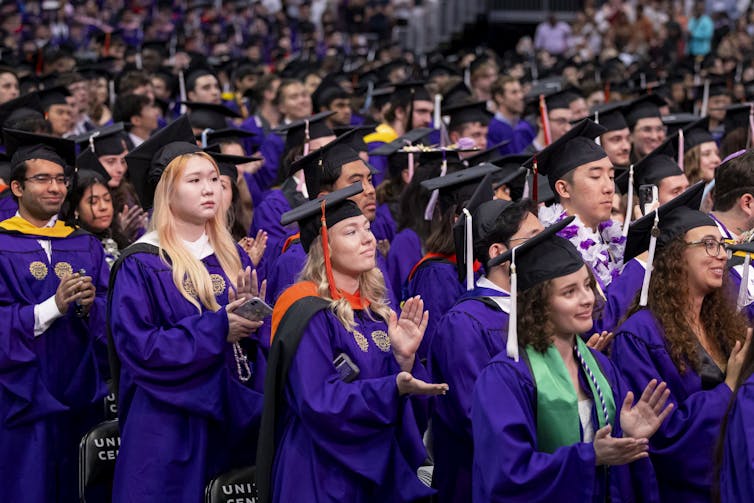
These philosophers saw the university as a community where mutual recognition and critical dialogue fuel personal growth—not a factory producing workers. The goal: lifelong learners who understand themselves and the world.
Humanities Under AI Pressure

With the advent of AI tools like ChatGPT, educators are sounding alarms. AI threatens to erode the intellectual practices—like historical interpretation and literary analysis—once central to humanities. Instead of deep engagement, students risk shortcuts that weaken their critical thinking and erode skills necessary for democracy.
Moreover, when AI reflects the biases of power, humanities education becomes even more vital to uphold a tradition of independent thought and resistance to political homogeneity.
Thinking, Collaborating, and Human Flourishing
The humanities offer something AI cannot: the nurturing of empathy, civic responsibility, and imaginative insight. Studies emphasize that crucial 21st-century competencies—creativity, critical thinking, communication, collaboration—are inherently human and best developed through these disciplines.

By engaging with diverse perspectives and reflecting on cultural expression, students learn to think, judge, and empathize. The humanities classroom becomes a space for collaborative exploration of meaning—not just data.
From the Past to Our AI-Shaped Future
The value of humanities education isn’t only theoretical. Google’s new roles in AI development, for example, increasingly demand philosophical understanding, moral reasoning, and nuanced human insight—skills cultivated through humanities backgrounds.
AI may automate tasks, but it can’t replicate character, perspective, or human connection. As one tech leader puts it: no algorithm can replace the empathy, creativity, or “I am human” authenticity that humanities graduates embody.
In our future, blending AI with human judgment will be key—and humanities education prepares us to do just that.