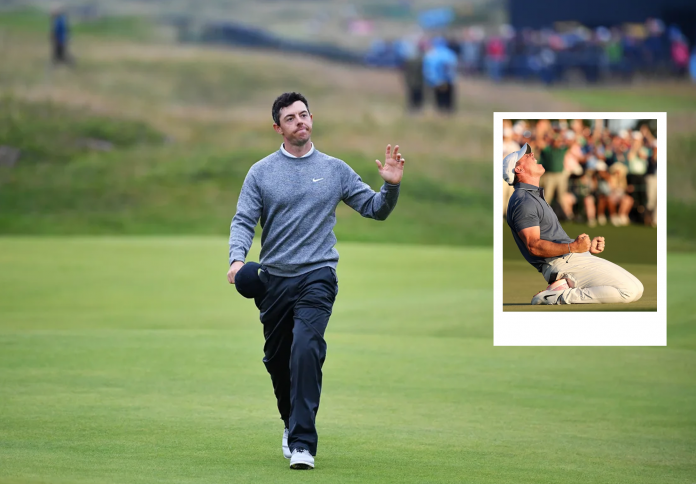
Can redemption begin without a trophy? Returning to Royal Portrush after his painful missed cut in 2019, Rory McIlroy transformed personal pain into a moment of grace. Though he didn’t lift the Claret Jug, his tied-seventh finish felt more like healing than defeat—a powerful comeback that resonated far beyond the leaderboard.
Healing old wounds with hopeful swings
McIlroy’s 2019 Open was a nightmare: a quadruple bogey on hole one and an early exit shattered his connection to Portrush. Six years later, the emotional stakes were higher than ever. Walking the same fairways, he carried not just skill, but a burden of expectation—not just from fans, but from himself.

This year, however, his performance reflected growth. He began steadily, closing the first two rounds under par, and his third-round 66—including a crowd-igniting eagle at the par-5 12th—felt like emotional catharsis. He was no longer haunted by ghosts; he was defining his return on his own terms.
Fan love fuels a stirring final push
Portrush isn’t just any venue—it’s McIlroy’s home course, a place where cheers echo with personal history. Nearly every step he took was accompanied by thunderous applause. As he approached the 18th on Sunday, the roar confirmed not just gratitude, but a profound approval.
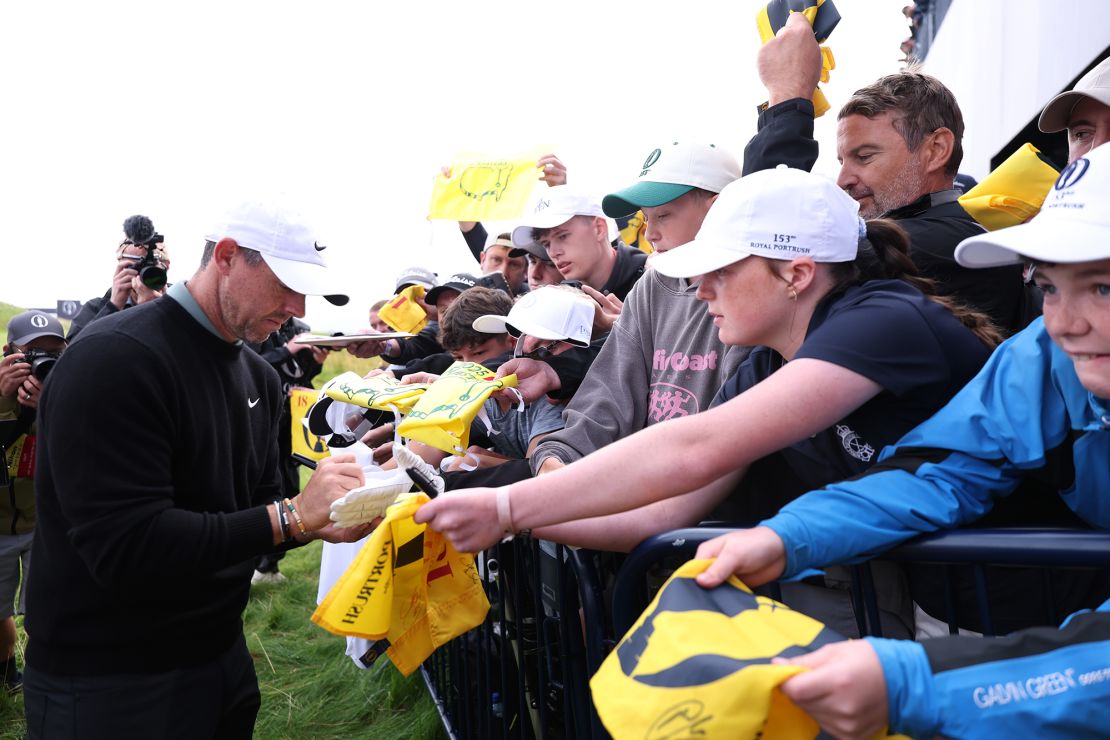
That support clearly fueled him. Despite a late double bogey stealing momentum, he rallied with birdies that reflected both skill and spirit. In the end, he stood tied seventh—seven shots behind Scottie Scheffler—but emotionally, he was far richer than when he began.
Respect earned without a trophy
Wearing his Masters green jacket—the final piece of his career Grand Slam—McIlroy admitted he had “everything I wanted except the win.” That feeling of contentment, even in defeat, signals maturity. He acknowledged Scheffler’s dominance yet found peace in his own journey: resilience, pride, and gratitude.
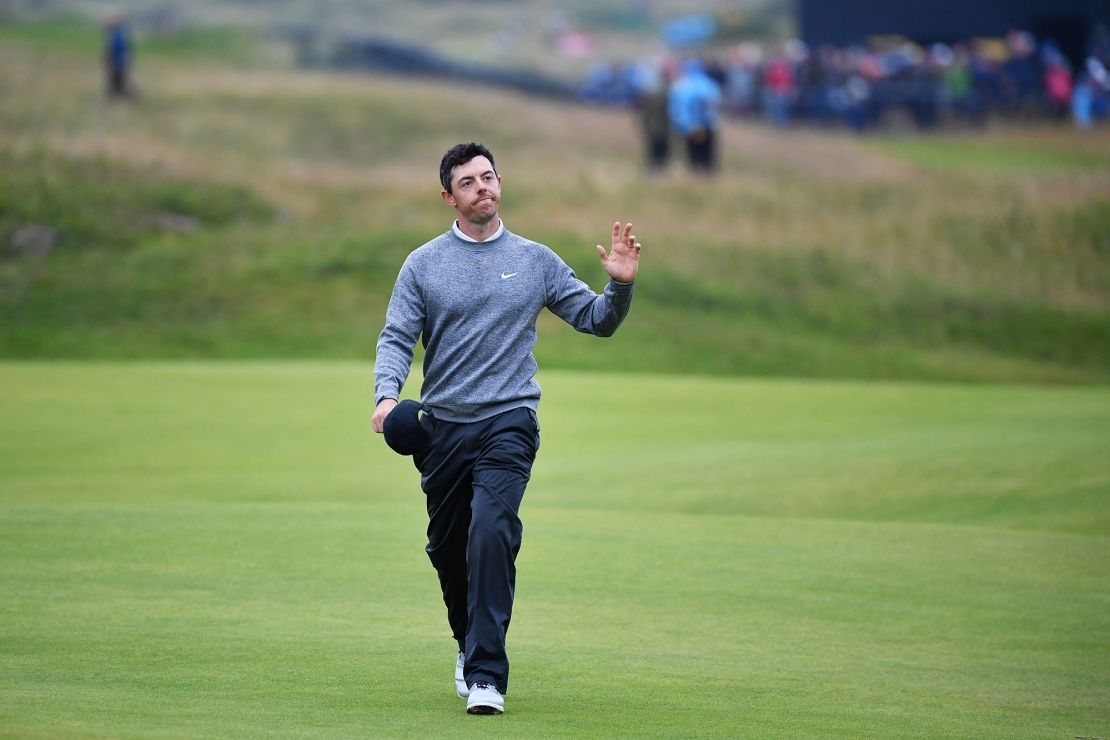
To fans and peers, McIlroy’s week was validation. He exorcised personal demons and reconnected with local identity. This chapter wasn’t about victory—it was about emotional victory. He leaves Portrush redeemed, revered, and ready for more.
Looking forward to Ryder Cup and beyond
With all four majors now behind him, McIlroy is focusing squarely on the Ryder Cup in September. He’s planning a lighter schedule to bring full energy to Bethpage Black, where Team Europe will aim for a rare away win.
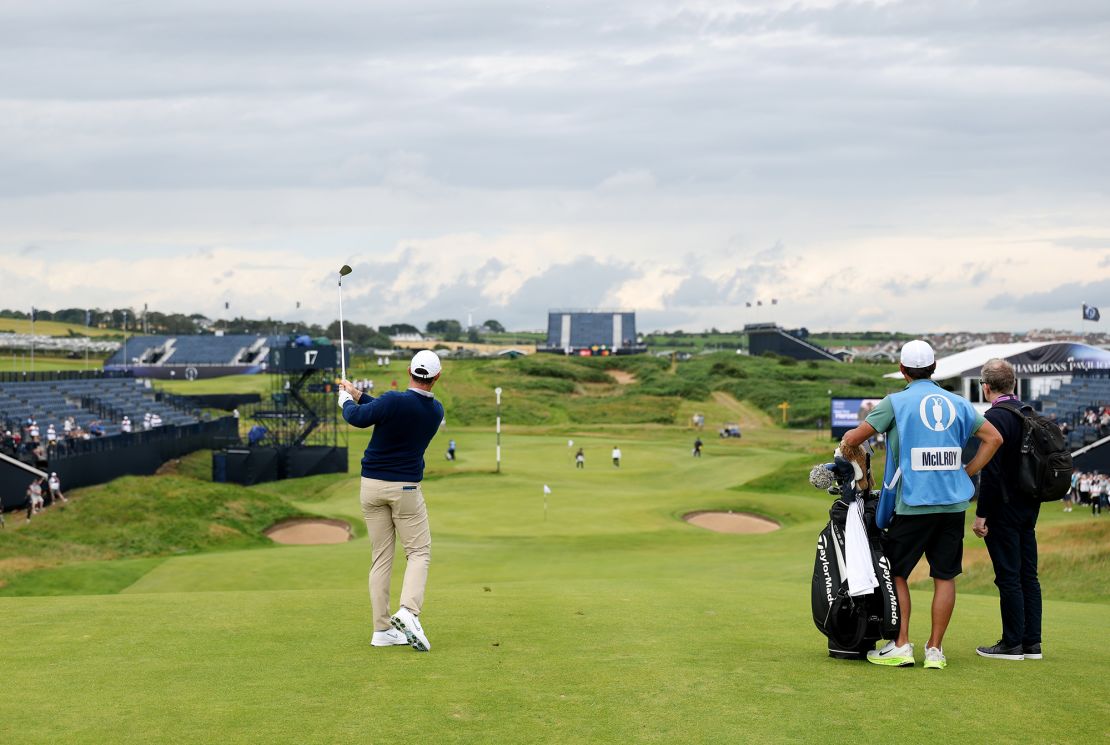
Portrush may not have delivered a trophy, but it offered something richer: closure, momentum, and a renewed sense of purpose. As McIlroy turns his gaze toward the next goal, he carries both confidence and humility—qualities that define not only champions, but legacies.