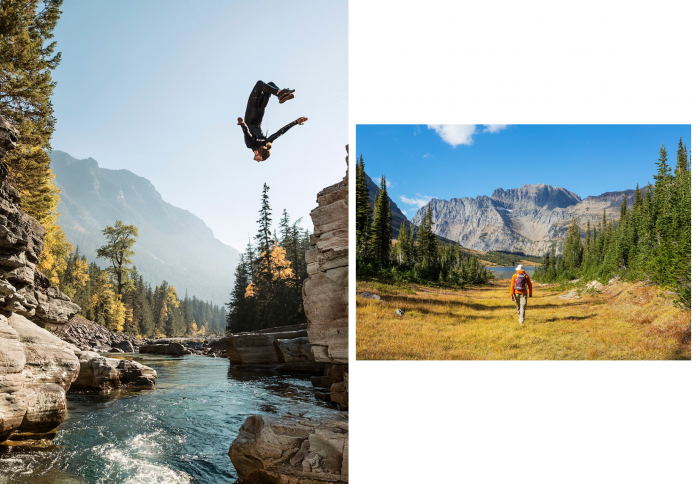
In a world saturated by the relentless intrusion of mechanical noise—jet engines, traffic, and ceaseless electronic chatter—true, natural silence has become one of the planet’s rarest commodities. Acoustic ecologists warn that few places remain where the human-generated soundscape does not bleed into the pristine symphony of nature. National Geographic and conservationists are engaged in a vital, urgent hunt for these sanctuaries: the last few naturally quiet places on Earth. These destinations, which stretch from the frigid isolation of Antarctica to the dense, sound-rich jungles of the Amazon, are not defined by the absence of sound, but by the absence of noise pollution. They offer more than just a travel experience; they provide a crucial, restorative haven for the human mind and a vital baseline for understanding the health of our planet’s wild ecosystems.
The Vanishing Art of Natural Soundscapes
The quest for silence begins with a definition: a truly quiet place is not a vacuum, but an environment where the loudest sounds are entirely natural—the rush of wind, the chirp of a bird, or the murmur of a stream. This natural soundscape, long taken for granted, is rapidly vanishing.
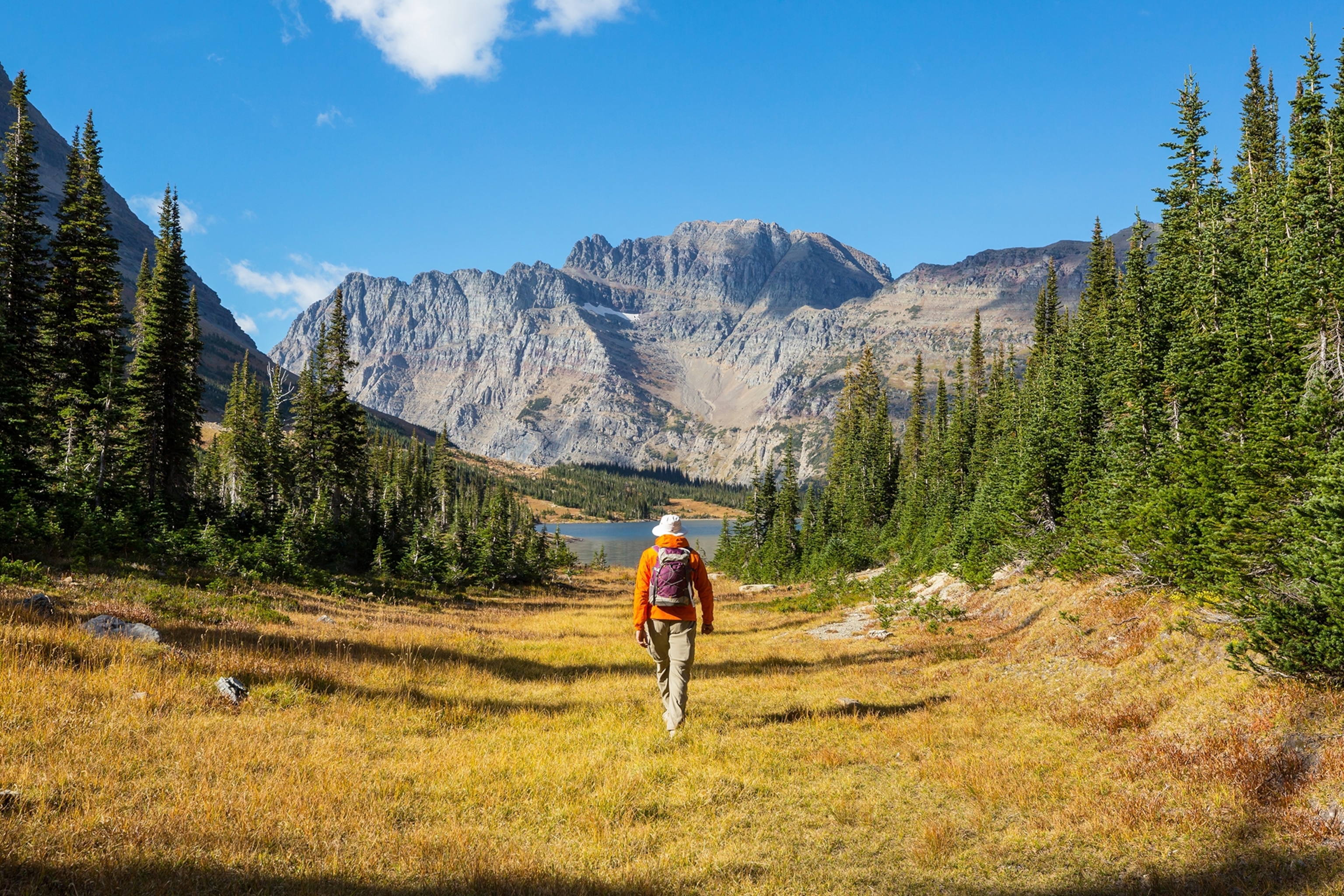
Noise pollution, primarily generated by aviation, roads, and industrial activity, has been shown to permeate deep into supposed wilderness areas, disrupting wildlife communication, sleep patterns, and breeding habits. For humans, the constant din contributes to stress, hearing loss, and anxiety. Ecologists view the preservation of natural soundscapes as a conservation issue just as vital as clean water or clean air. The search for these last quiet zones is a race against time, attempting to document and protect areas before the ever-expanding global infrastructure drowns out the native sounds of the earth forever.
The American Sanctuary: One Square Inch of Silence
One of the most famous and accessible preservation efforts in the world is centered on a single location in the American wilderness, representing a dedicated movement to protect the sound environment.

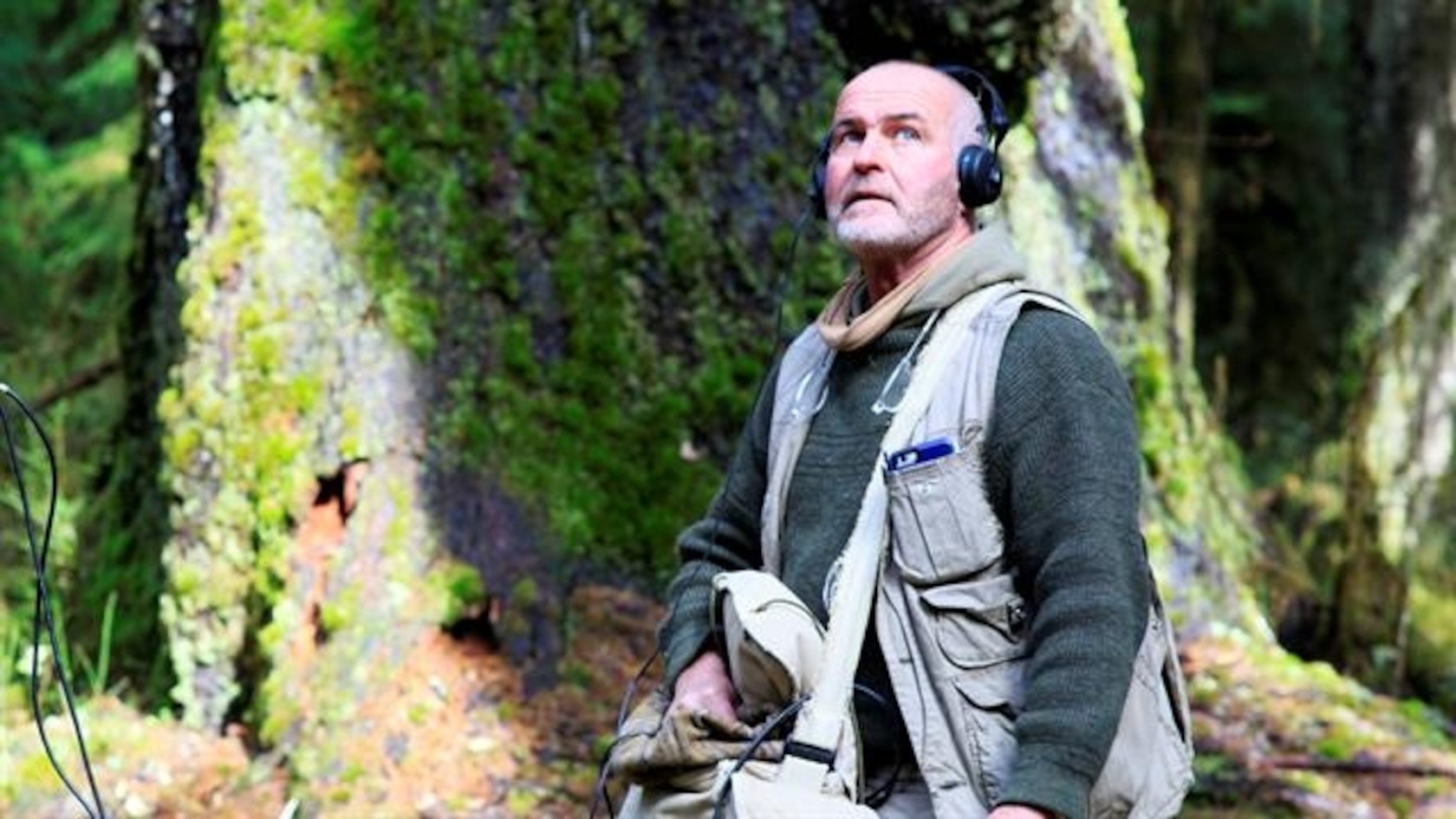
The initiative is focused on One Square Inch of Silence within Olympic National Park in Washington State. Acoustic ecologist Gordon Hempton identified this specific point as the quietest place in the United States, defining it by the criteria that no noise of mechanical origin is audible for at least fifteen minutes. Hempton has spent years advocating for the establishment of sound sanctuaries, arguing that true silence is a non-renewable resource essential for both human and ecological health. Visiting the surrounding areas requires commitment to deep wilderness hiking and an intentional, conscious effort to respect the soundscape, reminding travelers that preserving quiet requires constant vigilance against the encroachment of modern aviation and infrastructure.
Amazonian Baselines: The Indigenous Soundscape
Further demonstrating the importance of quiet, the planet’s least-disturbed natural soundscapes are often found in the world’s largest remaining rainforests, specifically those protected and managed by indigenous communities.

Areas deep within the Ecuadorian Amazon, such as the region surrounding the community of Zabalo, offer soundscapes that are incredibly rich and complex, yet entirely free of human-generated noise pollution. Here, the loudest sounds are the calls of howler monkeys, the cacophony of tropical birds, and the rhythmic drumming of rain. This environment provides scientists with a crucial acoustic baseline—a clean record of what a truly healthy, undisturbed tropical ecosystem sounds like, which is invaluable for measuring ecological changes elsewhere. For the traveler granted access, it is a profound lesson in listening, replacing the visual emphasis of modern travel with a deep, immersive sonic experience.
The Ultimate Quiet: The Polar Extremes
For the most absolute quiet on Earth, one must look to the planet’s polar extremes, where the geography itself imposes silence and isolation that is nearly impossible to breach.
Antarctica, specifically the deep interior of the continent, offers perhaps the closest thing to absolute, natural silence found anywhere. The vast, ice-covered continent lacks the rustling leaves, the rushing rivers, and the active wildlife of other quiet zones. The soundscape is defined by the crackle of moving ice, the distant wind, and the infrequent sounds of a specialized research station. This silence is often so profound that it can be psychologically challenging, emphasizing the deep human reliance on ambient noise. Similarly, the remote interior of Arctic Canada or Greenland, away from flight paths and coastal settlements, offers periods of profound solitude where the only sounds are the natural shifting of ice and snow.
The Psychological Imperative of Quiet Travel
The pursuit of these quiet places is more than just a novelty; it reflects a deep, biological need for restoration. Experts believe that accessing a truly quiet natural soundscape can significantly reduce stress and enhance cognitive function.
Quiet travel encourages a shift from the rapid, consumptive pace of modern tourism to a contemplative, meditative experience. It forces the traveler to slow down, to listen, and to engage with the natural environment on an auditory level, deepening the connection to the place. As global noise pollution continues to increase, these last quiet spots represent a vital, non-commercialized resource for mental health and well-being. Their preservation is a responsibility for all travelers, ensuring that future generations can still access the profound peace and restorative power of a planet speaking in its natural voice.