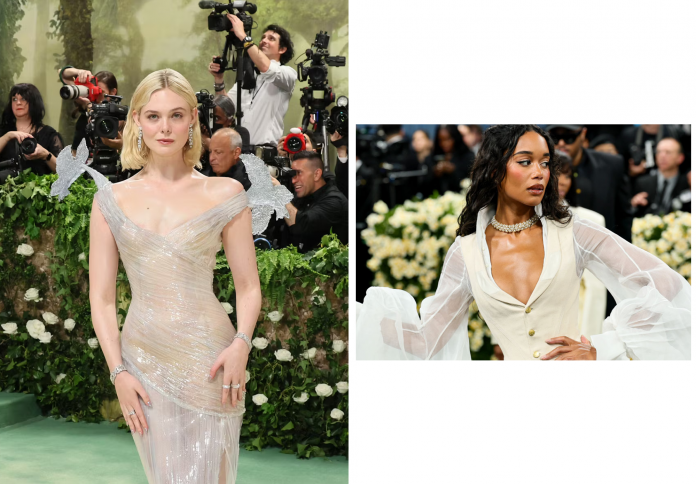
The 2026 Met Gala, centered on the exhibition theme “Costume Art,” marks a pivotal and deeply philosophical moment for the annual event. This theme is far more than a simple aesthetic guideline; it is a bold academic and institutional proposal aimed at permanently dismantling the long-held hierarchy that separates fashion from fine art. The Costume Institute, in conjunction with the opening of the new Condé M. Nast Galleries, is asserting that the “dressed body” is a central and constant thread throughout the entire history of art, found in every museum gallery. By challenging the premise that aesthetics must be about “disembodied contemplation,” “Costume Art” calls upon designers and celebrities to create ensembles that grapple directly with the relationship between the garment, the wearer, and the profound cultural values inscribed upon the human form.
The Institutional Ascendancy of Fashion as Art
The announcement of “Costume Art” is intrinsically linked to a major structural shift within The Metropolitan Museum of Art: the establishment of the new Condé M. Nast Galleries. This permanent, 12,000-square-foot space, largely funded through the stewardship of Anna Wintour, signifies the institutional validation of fashion as a permanent, central art form.
For decades, fashion exhibitions within major museums were often relegated to separate, siloed spaces, reinforcing the notion that they were temporary attractions rather than enduring elements of art history. The creation of these dedicated, permanent fashion galleries, situated prominently off the Great Hall, fundamentally repositions the Costume Institute’s holdings. The theme of “Costume Art” acts as the philosophical framework for this repositioning. It directly challenges the traditional art world’s view of fashion as a “stepchild,” arguing instead that the clothed body is central to human expression, social history, and visual representation across all eras and cultures.
A Philosophical Proposal: Fashion and the Embodied Form
The core intellectual challenge of the “Costume Art” theme is its focus on the embodied dress—the idea that a garment is inseparable from the body it clothes, and that the body itself is never truly “naked” but always laden with cultural meaning.

Curators organizing the exhibition have structured it around exploring the body through three distinct lenses. One section highlights bodies frequently represented in art, such as the idealized or nude forms. A second focuses on bodies often historically overlooked in art, including pregnant or aging figures. The final section examines universal bodies, emphasizing shared structural and anatomical elements across time. This structure pushes guests to move beyond simply creating a beautiful dress and instead interpret how clothing either mirrors, abstracts, or challenges prevailing societal views of the human form. For designers, this means working with silhouettes and materials that interact dynamically with the body, potentially leading to an increase in sheer dressing or intricate anatomical detailing on the red carpet.
Anticipating the Dress Code: Body, Body, Body
While the official Met Gala dress code is typically announced closer to the event, the “Costume Art” theme strongly suggests that the focus will be intensely on the body and its relationship with the garment. This presents several key opportunities and challenges for the attending celebrities and their design teams.
Guests will likely be encouraged to grapple with concepts like draping, volume, and anatomical exaggeration. We can expect to see reinterpretations of classical forms, such as Grecian-draped gowns that emphasize the movement and structure of the body underneath. The theme also opens the door for bold looks that celebrate or comment on marginalized bodies, potentially resulting in more experimental uses of proportion, fit, and reveal. Furthermore, the exhibition features pairings of historical fashions with corresponding artworks, suggesting celebrities may draw inspiration from specific art historical references—translating a classical sculpture’s pose or a Renaissance painting’s voluminous drapery into modern couture.
The Corporate Sponsorship and Date Details
The 2026 Met Gala will adhere to its traditional schedule, taking place on the first Monday in May, which falls on May 4, 2026. The accompanying “Costume Art” exhibition will open to the public shortly thereafter, running from May 10, 2026, through January 10, 2027.
The event is being sponsored by significant figures in business and luxury, including Jeff Bezos and his wife, Lauren Sanchez Bezos. Moreover, the exhibition is receiving support from major fashion houses, with Saint Laurent being notably named as a sponsor. The involvement of such a prominent brand, known for its sleek, body-conscious, and often overtly sensual aesthetic, suggests that we may see a strong presence of their designs on the red carpet, aligning the house’s vision with the theme’s focus on the power and presentation of the human form. The involvement of these high-profile sponsors underscores the magnitude of this theme and its importance to both the art and commerce sides of the cultural landscape.