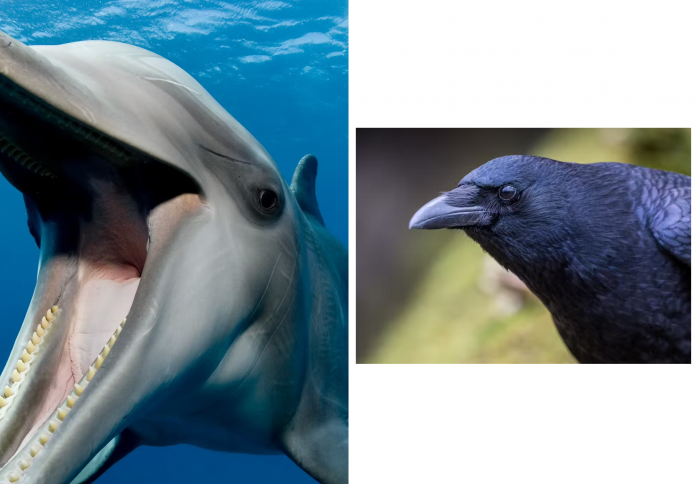
The question of animal intelligence is no longer if animals are smart, but how and in what diverse ways their intelligence is manifested. For centuries, human-centric definitions of intelligence—focused primarily on language, logic, and tool use—placed Homo sapiens at the top of a linear scale. However, decades of field and experimental research in animal cognition have shattered this assumption. From dolphins demonstrating complex communication and self-awareness to New Caledonian crows manufacturing and using meta-tools, numerous species exhibit problem-solving, social sophistication, and learning capabilities that rival, or even surpass, human children. The true measure of intelligence must be functional: an animal is smart if it possesses the cognitive skills necessary to thrive in its unique ecological and social environment. By abandoning the singular, human-defined yardstick, we reveal an animal kingdom teeming with diverse forms of genius.
The Genius of Toolmakers and Problem-Solvers
One of the most powerful demonstrations of animal intelligence is tool use, a capability once believed to be exclusively human. Research has definitively proven this is not the case, with some species even showing the advanced capacity to manufacture and use meta-tools (a tool to obtain another tool).
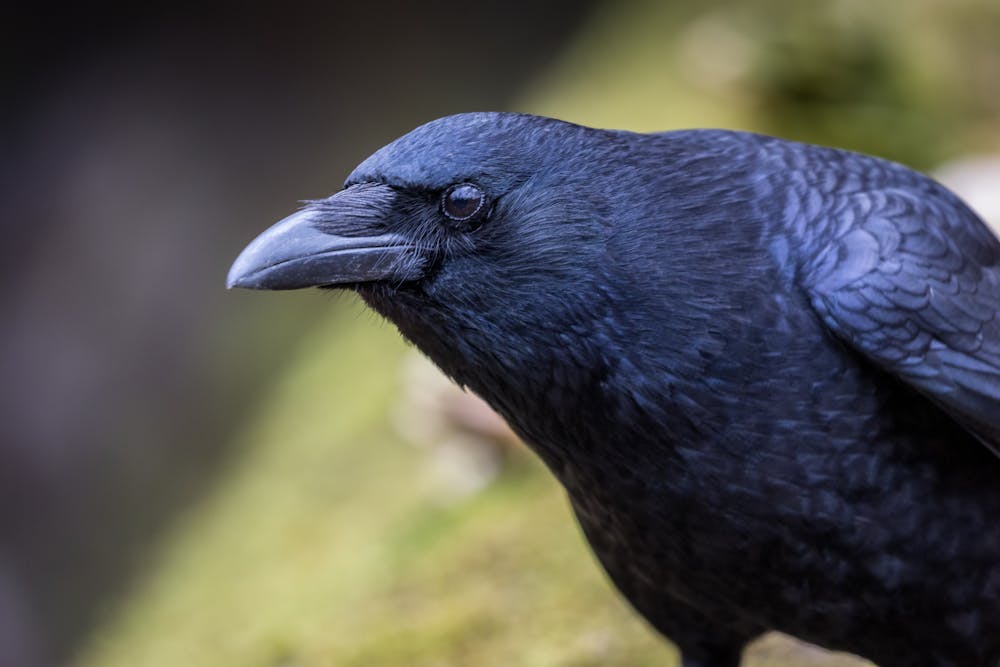
New Caledonian crows are the undeniable masters of avian engineering. They are known to spontaneously bend twigs and wire into hooks to extract insects and larvae from deep crevices. More impressively, they have been observed using a short tool to retrieve a longer, otherwise inaccessible tool, which is then used to reach food. This sequence demonstrates planning, abstract reasoning, and foresight, suggesting a profound capacity for non-linear problem-solving. Among mammals, elephants use their trunks to dig waterholes and then plug them with masticated wood or leaves to prevent evaporation, showing sophisticated resource management. Sea otters use rocks as anvils to dislodge and break open shellfish. These diverse examples highlight that intelligence is not just about using an object, but creatively applying a solution to a novel problem.
Language, Culture, and Social Complexity
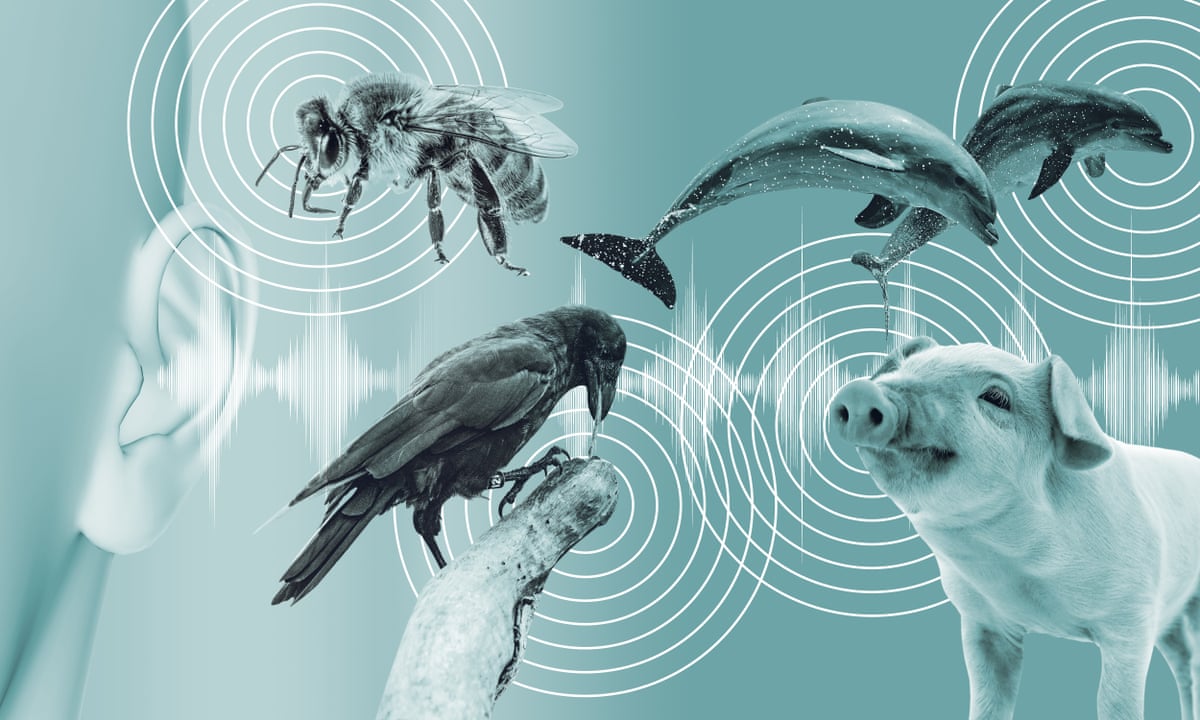
Another area where animals challenge human exceptionalism is in complex communication and social intelligence. For species with intricate social structures, the ability to communicate, negotiate, and adapt to group dynamics is paramount to survival and requires a high level of cognition.
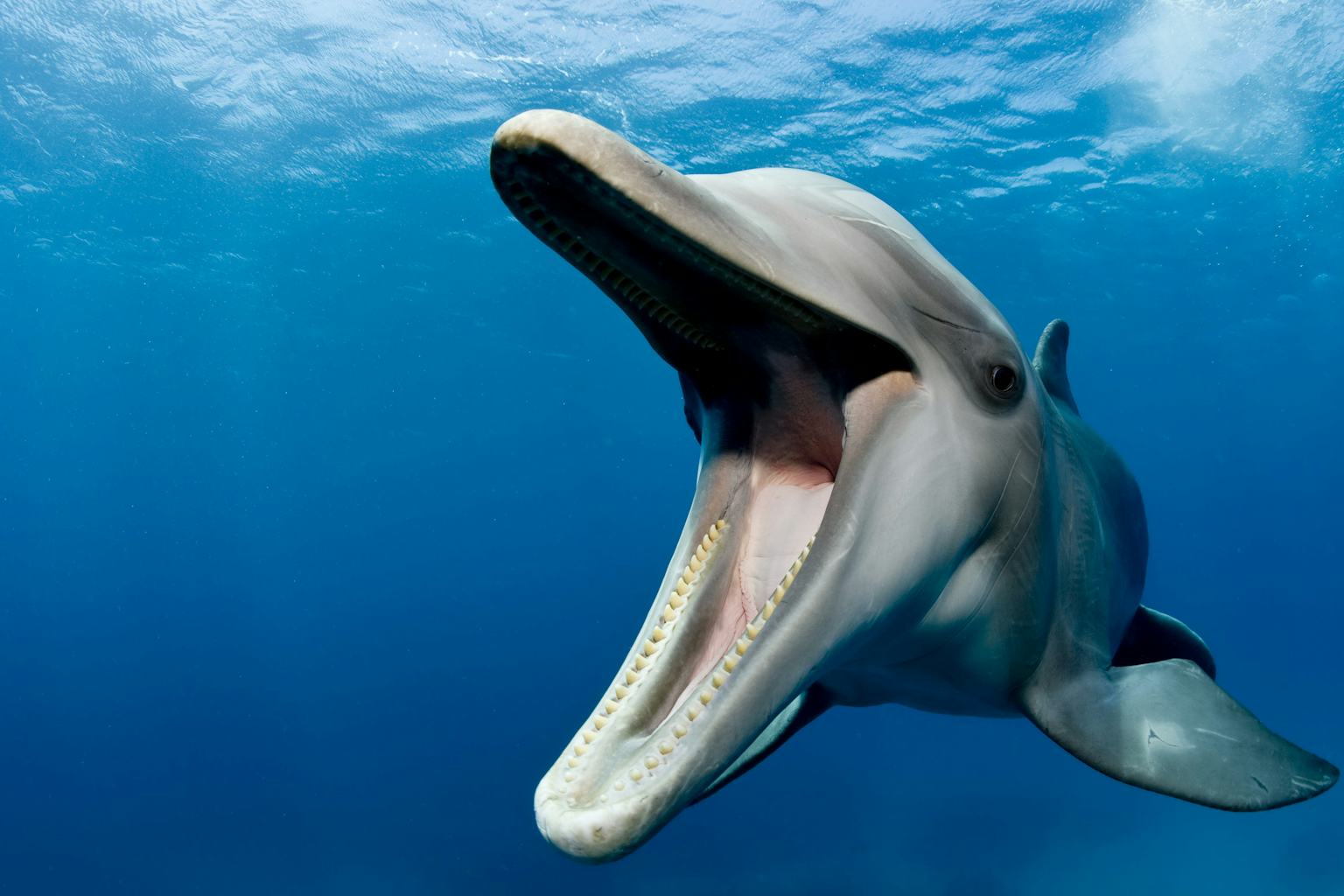
Dolphins, particularly bottlenose dolphins and killer whales (orcas), are widely recognized for their immense social intelligence. They possess large, complex brains with highly developed regions for processing emotions. Dolphins communicate through a sophisticated array of whistles, clicks, and pulsed sounds, demonstrating cultural learning—distinctive hunting techniques, migratory routes, and social conventions that are passed down through generations and vary by pod. Similarly, chimpanzees and other great apes exhibit distinct community cultures, cooperative hunting, and the ability to communicate abstract concepts, emotions, and intentions, reflecting a highly sophisticated social mind. Research suggests that the pressures of complex social life are a powerful evolutionary driver for enhanced intelligence across species.
Beyond the Vertebrates: The Alien Minds of Invertebrates
While most studies of high intelligence focus on mammals and birds, the cognitive capabilities of certain invertebrates, particularly octopuses, suggest that high intelligence can evolve along entirely separate, or “alien,” neurological pathways.
Octopuses are renowned problem-solvers and masters of camouflage. They have been observed unscrewing jars to access food, navigating complex mazes, and using coconut shells as portable shelters. Unlike vertebrates, an octopus’s nervous system is highly decentralized, with a significant portion of its neurons located in its arms, essentially giving each arm a degree of independent thinking. This unique structure allows them to exhibit a remarkable combination of flexibility and learning. Their intelligence is not based on a large human-like cortex, but on a unique arrangement of neurons, demonstrating that there is no single blueprint for high intelligence, reinforcing the idea that functionality in context is the true measure of a smart animal.