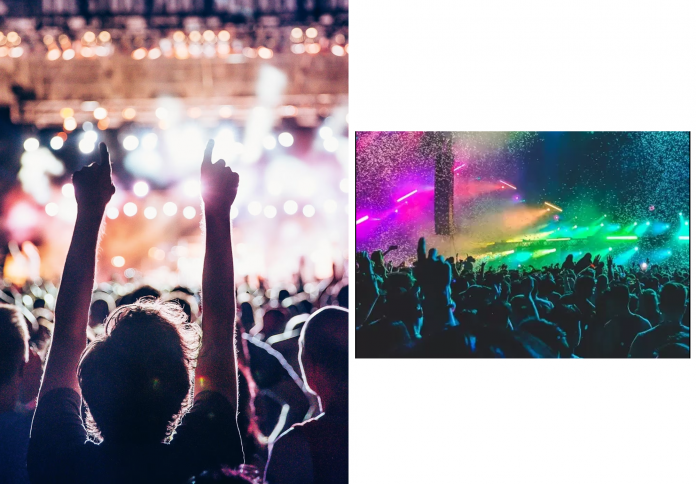
From legendary clubs shuttering to live music venues fighting to stay afloat, the UK’s once-vibrant nightlife is dimming. Yet across cities and small towns, a new generation is fighting back with fresh ideas and fierce devotion. The battle to save the night is about more than parties — it’s about identity, community, and the right to gather when the sun goes down.
A fading heartbeat after midnight
For decades, the UK’s nightlife was a global cultural export — from London’s sweaty basement clubs and Manchester’s acid-house revolution to Glasgow’s DIY punk and Bristol’s dubstep experimentation. But in recent years, the pulse has weakened. The statistics are sobering: since 2010, more than a third of UK nightclubs have closed. In London alone, that figure is closer to 50%.

The reasons are myriad — and intertwined. Skyrocketing rents, noise complaints, cuts to arts funding, post-Brexit visa issues, and the COVID-19 pandemic have created a perfect storm. Lockdowns temporarily silenced venues, but the recovery has been uneven and slow. Some club owners speak of footfall never returning to pre-pandemic levels, while others face rising costs with shrinking margins.
Beyond the clubs, the situation echoes through the entire nocturnal economy: late-night buses cut routes, small music venues close, and the once-easy rite of passage into rave culture feels increasingly inaccessible for the next generation. The closure of iconic institutions like Printworks or Sheffield’s The Leadmill doesn’t just signify lost space—it’s a wound to local identity.
Nightlife as culture, not collateral
At its core, nightlife is not just leisure — it’s cultural heritage. Britain’s night economy has incubated revolutions in sound, fashion, and politics. Think of David Bowie’s early gigs in London’s queer clubs, or the birth of grime in East End pirate radio parties. Nightlife provides sanctuary, especially for LGBTQ+, immigrant, and working-class communities. For many, the dancefloor is where freedom lives.
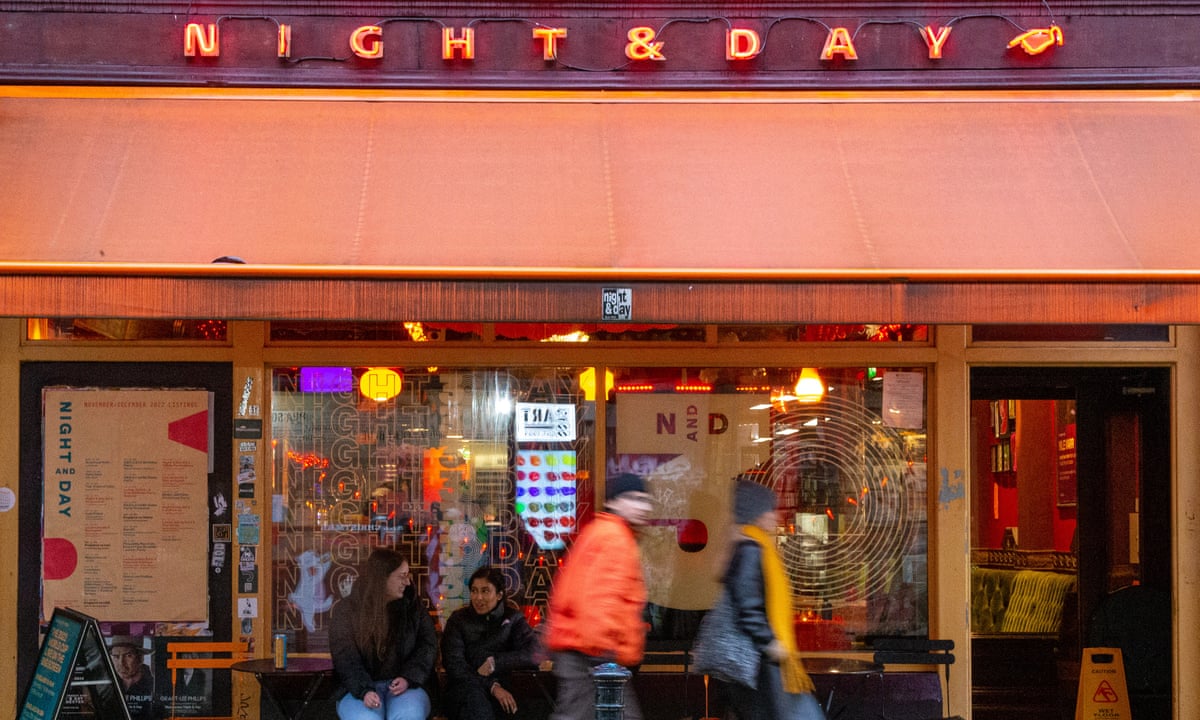
Recognizing this, some advocates are pushing to shift the narrative: from “rowdy night out” to “vital civic institution.” Cities like Amsterdam and Berlin have long appointed Night Mayors—liaisons between nightlife businesses and local government—to balance development and after-dark culture. London followed suit in 2016 with a Night Czar, though the role has faced criticism over limited authority and impact.
Still, a cultural shift is under way. English Heritage recently began awarding blue plaques to former music venues and clubs. Academics and policymakers alike are starting to treat nightlife as a space of social cohesion, not nuisance. But the question remains: is recognition coming too late?
Grassroots resistance and underground renewal
Despite the closures, resistance simmers underground. Independent promoters, community-run clubs, and pop-up venues are reimagining nightlife for a more precarious era. In cities like Manchester, Leeds, and Bristol, abandoned warehouses are being quietly transformed into one-night-only safe spaces for dancing, art, and experimentation.
These scenes often operate below the radar — less about profit, more about presence. In Glasgow, collectives like Shoot Your Shot or FUSE have cultivated inclusive spaces for queer and POC ravers, while Birmingham’s underground scene draws on its diasporic roots to blend Afrobeats, dancehall, and UKG in community halls and car parks.

Technology also plays a part. Organizers use encrypted group chats, temporary digital flyers, and invite-only apps to revive the flashmob spirit of the early 2000s rave scene. The legality may be murky, but the intent is clear: create joy and connection in a world increasingly marked by control.
These movements echo an older British tradition — one that spans miners’ social clubs, Caribbean sound systems, and illegal warehouse raves. Nightlife is a social technology for survival and solidarity, and grassroots organizers know this all too well.
What the night still offers — and why it must be protected
More than ever, nightlife holds a mirror to how we value collective experience. In a time of digital fatigue, economic anxiety, and urban alienation, dancing together in the dark offers rare communion. It builds trust, sustains mental health, and generates creativity.
There are glimmers of hope. Some cities are beginning to implement more thoughtful licensing policies. Community campaigns have successfully saved venues like Bristol’s Exchange and Manchester’s White Hotel. In Northern Ireland, pressure is mounting to reform strict licensing laws that effectively shut down nightlife at 1am.
But more support is needed. Advocates call for rent protections, grant funding for cultural venues, and recognition of nightlife as an essential part of urban planning. As with libraries or parks, the case is not just economic — it’s existential.
To save the UK’s nightlife is to defend the freedom to gather, express, and belong. It is to remember that the night is not something to fear or shut down, but a realm where society breathes differently — pulsing, unpredictable, and alive.