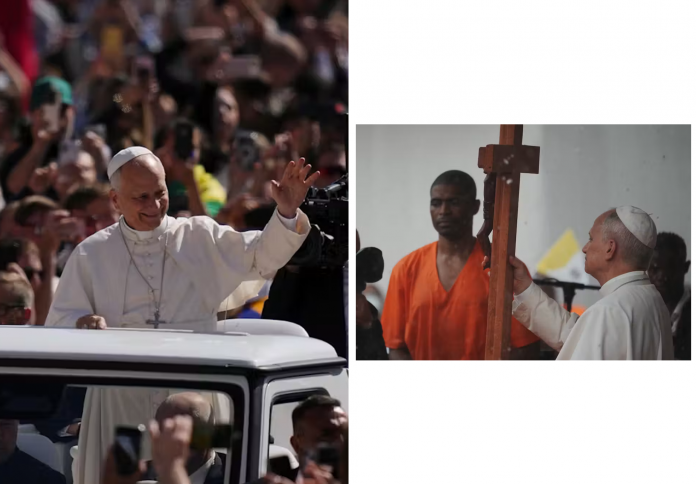
As Pope Leo marks the conclusion of his first year leading the Catholic Church, his papacy has emerged as a distinct moral compass in an era defined by geopolitical turbulence and rapid technological disruption. Stepping onto the global stage, the first American pontiff has consistently anchored his leadership in the timeless principles of human dignity, non-violence, and the radical protection of the vulnerable. Eschewing political expedience, his addresses and encyclicals challenge the rising tides of nationalism, the normalization of modern warfare, and the ethical blind spots of the digital age. By framing peace not as the mere absence of conflict, but as a deliberate, daily commitment rooted in compassion, Pope Leo invites a profound global reckoning over how humanity coexists on a rapidly shrinking and deeply divided planet.
Challenging the Logic of Modern Warfare
From the earliest days of his pontificate, Pope Leo has delivered an uncompromising critique of contemporary militarism. In a world increasingly gripped by proxy conflicts, escalating regional wars, and the rattling of nuclear sabers, the pope has consistently condemned the return of aggressive state-sponsored violence. He warns against the illusion that lasting stability can ever be forged through military deterrence or the crushing weight of superior firepower.
Instead, his message champions an “unarmed and disarming peace”—a theological and ethical stance that rejects the categorization of human lives as collateral damage. By calling out the geopolitical ambitions of modern leaders who treat human existence as expendable currency, Pope Leo positions the Church as a steadfast advocate for diplomatic resolution, international humanitarian law, and the difficult, patient work of reconciliation.
Human Dignity in an Age of Technocratic Disconnect
Beyond traditional geopolitical conflicts, Pope Leo’s first year in office has focused heavily on the invisible threats to human worth posed by modern economics and technology. In an increasingly interconnected yet deeply polarized society, he has raised alarms regarding the relentless pursuit of wealth at the expense of marginalized populations. Refugees, migrants, and the global poor frequently bear the brunt of systems designed to favor efficiency over empathy.
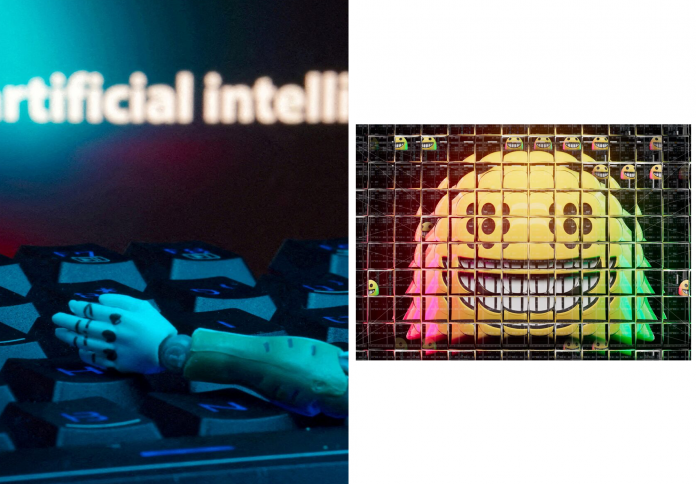
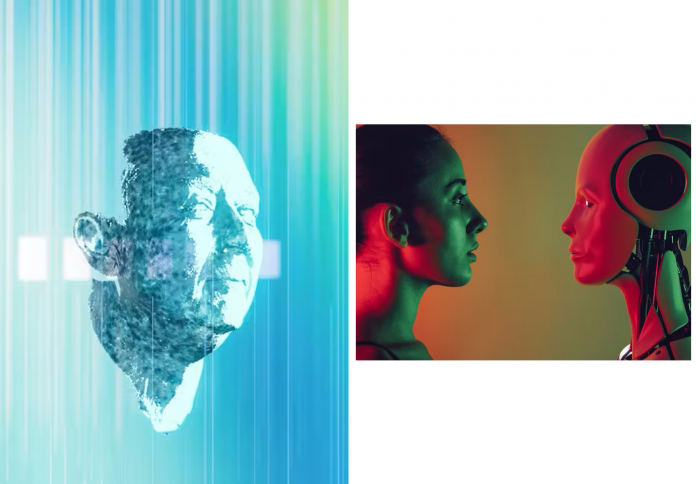
Furthermore, the pontiff has addressed the subtle dehumanization introduced by advanced technology, particularly artificial intelligence and algorithmic media ecosystems. By cautioning that unchecked digital tools can erode genuine human intimacy, foster toxic echo chambers, and override independent thought, Pope Leo underscores that true dignity requires preserving the sacred, unoptimized spaces of human creativity, moral agency, and face-to-face community.
The Radical Choice for the Weakest
A defining hallmark of Pope Leo’s initial tenure is his recurring call for a preferential option for the marginalized. In an international climate where power and resources are concentrated within an increasingly narrow technological and political elite, the pope urges societies to measure their success not by stock market indices or military might, but by how they treat those cast aside by progress.
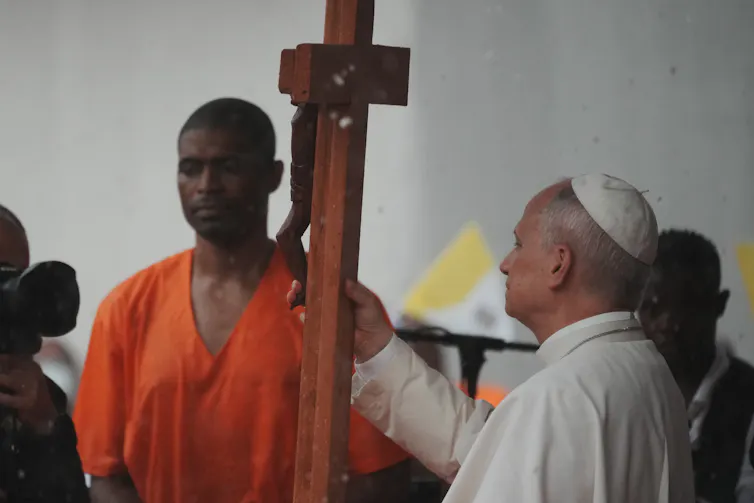
This commitment is reflected in his outspoken defense of victims of human trafficking, exploited laborers caught in digital scams, and displaced families searching for refuge. By identifying the struggles of the dispossessed as a central moral crisis of our time, Pope Leo challenges global leaders to dismantle the structural inequalities that perpetuate human suffering, reminding humanity that our collective future depends entirely on our capacity for radical solidarity.
Charting a Path Forward for Global Conscience
As Pope Leo looks toward the future of his pontificate, his early body of work serves as both a comfort and a challenge. He reminds a weary world that peace is never an abstract luxury or an unattainable utopia, but a concrete choice demanded of every individual and institution.
Navigating the complexities of the twenty-first century will require more than technological innovation and economic growth; it demands a moral awakening. By keeping the flame of human dignity and relentless dialogue alive, Pope Leo’s first year has laid a visionary groundwork for how humanity might reclaim its shared humanity in an increasingly fractured age.