The rapid convergence of artificial intelligence, ubiquitous smartphone applications, and the commercial data marketplace has quietly transformed modern governance, giving rise to an unprecedented era of state surveillance. No longer constrained by the physical limitations of manual investigations or the traditional boundaries of judicial warrants, government agencies increasingly rely on a vast web of private-sector data brokers to track the daily lives of citizens. By harvesting geolocation pings, web browsing histories, financial transactions, and social media footprints, state apparatuses can assemble hyper-detailed profiles of individuals automatically and at scale. This marriage of big tech infrastructure and federal intelligence gathering exposes a profound vulnerability in contemporary democratic societies, threatening core constitutional protections and accelerating the silent creep of a digital police state.
The Commercial Data Broker Loophole
At the heart of contemporary mass surveillance lies a troubling legal and operational workaround known as the data broker loophole. Constitutional safeguards like the Fourth Amendment were originally designed to protect citizens from warrantless searches and seizures of their private papers and effects. However, these protections have been systematically bypassed through the emergence of a multi-billion-dollar data economy. Private corporations constantly siphon vast streams of personal information from mobile applications, connected devices, and public records, packaging and selling these digital footprints to the highest bidder.

Federal and military agencies frequently exploit this market by simply purchasing commercial bulk data rather than obtaining a warrant from a judge. Whether acquiring precise smartphone geolocation metadata, web browsing logs, or communication habits, the government operates under the legal fiction that data voluntarily shared with third-party apps falls outside the scope of traditional surveillance regulations. This clever circumvention allows state actors to amass colossal repositories of private information on ordinary citizens without ever triggering standard judicial oversight.
Supercharging Surveillance with Artificial Intelligence
While the acquisition of bulk commercial data provides the raw fuel for modern monitoring, artificial intelligence acts as the combustion engine that brings the system to life. Historically, the sheer volume of information collected by intelligence and law enforcement agencies presented a logistical bottleneck, requiring armies of human analysts to painstakingly sift through endless records. Today, advanced machine learning models and large language systems automate this process entirely, capable of synthesizing billions of fragmented data points in a fraction of a second.
This computational leap transforms isolated digital breadcrumbs into comprehensive, predictive behavioral profiles. AI algorithms can instantly correlate a person’s physical movements across protests, medical clinics, and political gatherings with their digital associations, search habits, and social media networks. By removing the friction of manual analysis, machine intelligence enables a continuous, automated tracking infrastructure that operates invisibly in the background of everyday life.
Mission Creep and Domestic Policing
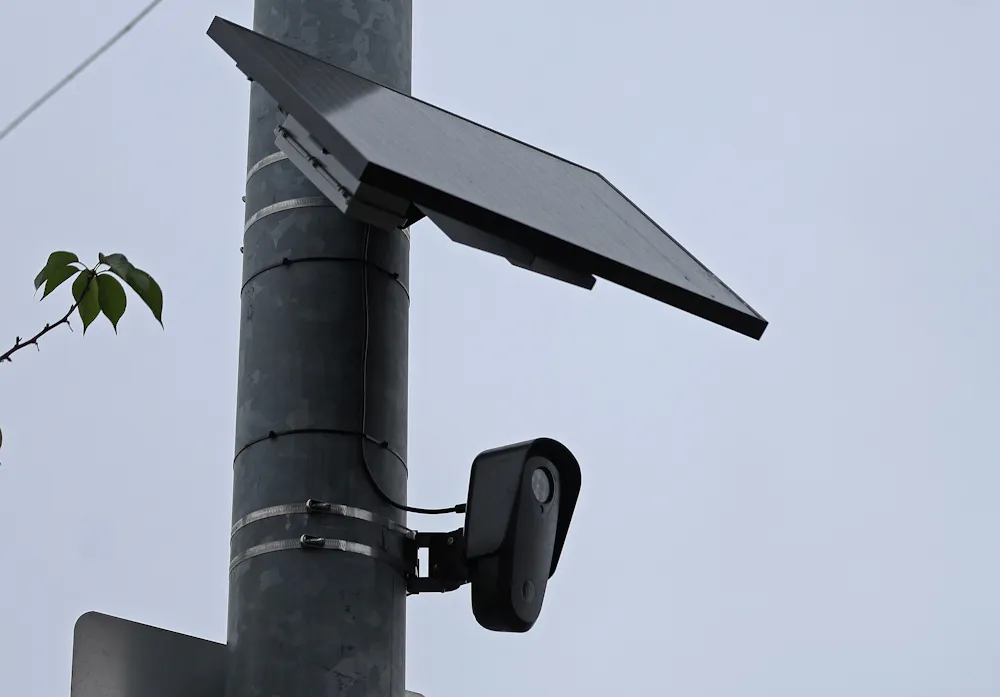
The deployment of these advanced tracking tools is rarely confined to the high-stakes realm of foreign intelligence or national security; it steadily bleeds into everyday domestic policing and immigration enforcement. Technologies initially marketed and justified for securing international borders—such as high-precision facial recognition, automated license plate readers, and biometric iris-scanning databases—are increasingly redirected toward domestic neighborhoods, peaceful protesters, journalists, and political dissidents.
This phenomenon, known as mission creep, gradually normalizes invasive state oversight under the banner of public safety and regulatory efficiency. Local law enforcement agencies tap into federal fusion centers and proprietary commercial software packages to monitor civilian populations with unprecedented granularity. The expansion of these capabilities blurs the line between targeted criminal investigations and indiscriminate, population-wide observation, eroding the foundational expectation of privacy in public and digital spaces alike.
The Chilling Effect on Democratic Freedoms
Beyond the immediate privacy violations, the normalization of AI-powered mass surveillance inflicts severe psychological and social costs on civic life. When citizens realize that their movements, communications, and associations are subject to constant automated scrutiny, a profound chilling effect takes hold. Fear of surveillance breeds self-censorship, conformity, and ideological caution, as individuals instinctively modify their behavior to align with perceived state expectations.
Preserving a free and open society in the digital age requires urgent legislative intervention to close the legal loopholes that allow warrantless data harvesting. Safeguarding democracy demands that lawmakers dismantle the cartels of state and corporate data sharing, enforce strict limits on AI-driven behavioral tracking, and reassert the sanctity of constitutional protections against invisible, pervasive observation.