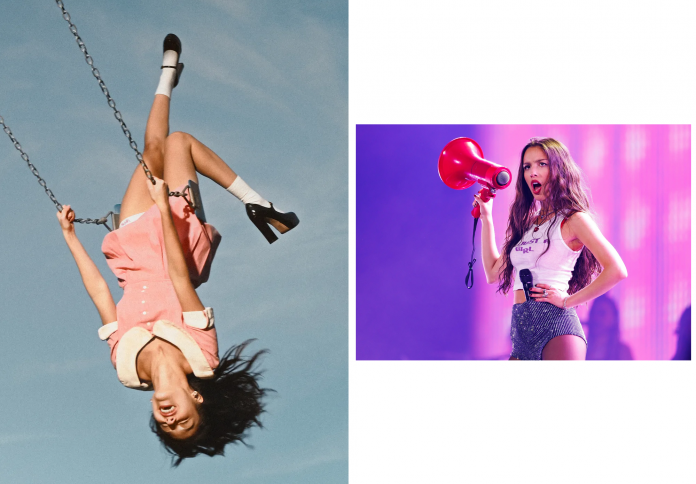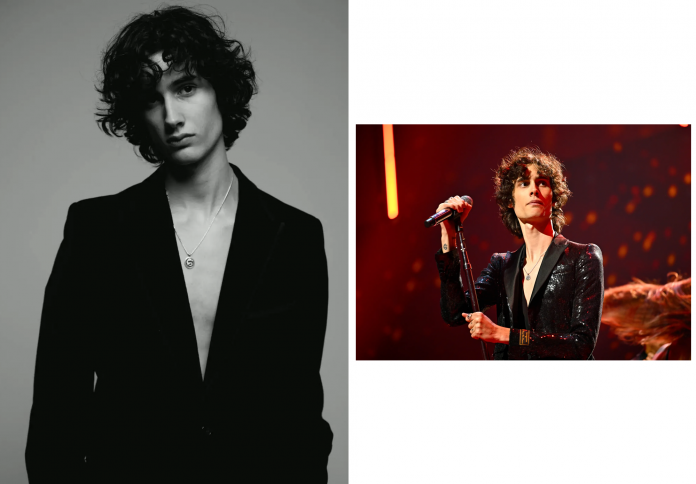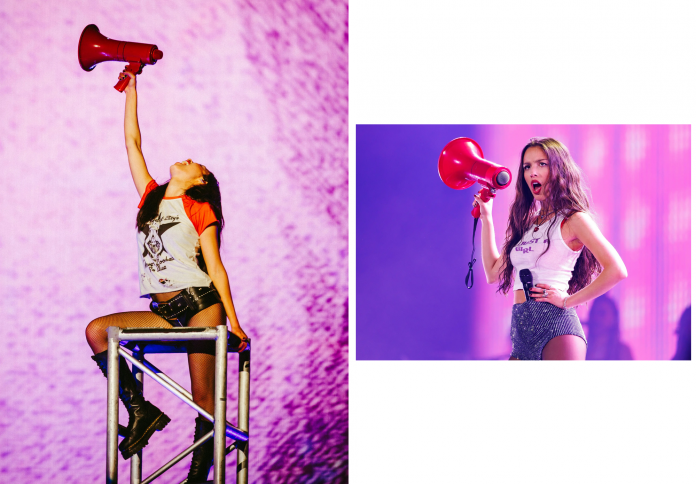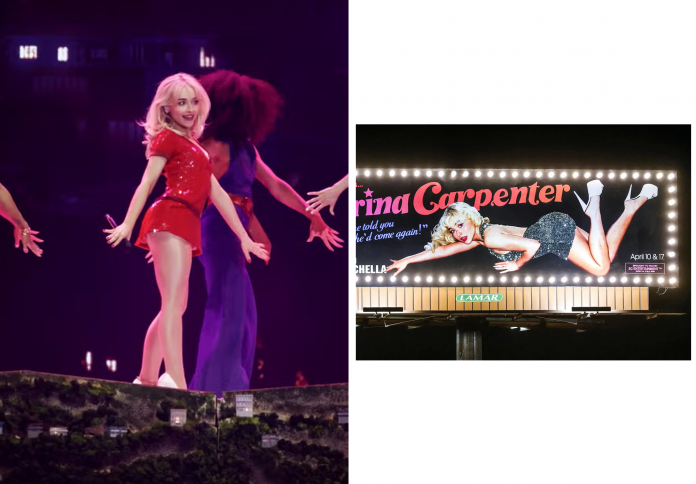
Sabrina Carpenter’s 2026 Coachella headline set was built less like a conventional concert than a piece of Hollywood theater. On Weekend One, she framed songs through comic interludes and celebrity appearances from Sam Elliott, Susan Sarandon, Corey Fogelmanis, and Will Ferrell, while premiering several tracks live and moving between the bright precision of her recent pop catalog and the theatrical world of “Sabrinawood.” A week later, Madonna joined the spectacle, expanding the festival storyline rather than merely repeating it. The approach suits Carpenter’s particular strength: she understands that a pop set can be musically disciplined and knowingly ridiculous at the same time. Coachella gave her enough scale to turn that instinct into architecture. The result was not just a sequence of songs, but a fictional entertainment universe in which jokes, costumes, cameos, and choruses all served the same star persona.
A Headline Set With a Screenplay
Sabrina Carpenter did not approach Coachella as if a longer set list were automatically enough to mark her elevation to headliner. The 2026 performance was organized around “Sabrinawood,” a Hollywood-inflected concept that gave the concert its own fictional geography. Sam Elliott introduced the show, while later appearances from Susan Sarandon, Corey Fogelmanis, and Will Ferrell made the evening feel like a variety program dropped into the desert.
That framing mattered because Carpenter’s current pop identity already depends on timing. Her songs are full of punch lines, flirtation, abrupt reversals, and phrases designed to land with the precision of a well-delivered joke. A cinematic concert format extends the same rhythm beyond the lyrics. Interludes become setups; entrances become punch lines; costume changes and staging create visual callbacks. The show therefore feels theatrical without asking the audience to separate spectacle from the music.
.jpg)
New Songs Entered Through Performance
Weekend One also functioned as a live laboratory for material that had not previously been performed in concert. Songs including “When Did You Get Hot?,” “We Almost Broke Up Again Last Night,” “Such a Funny Way,” and “Sugar Talking” appeared alongside established favorites such as “Taste,” “Feather,” “Bed Chem,” “Juno,” and “Espresso.” The mixture gave the set both recognition and risk.
Premiering music in front of a festival audience changes the conditions of first contact. Listeners cannot rewind a lyric or study a production detail; the song has to communicate through gesture, chorus, arrangement, and crowd energy. Carpenter is well suited to that environment because her performance style makes meaning visible. A raised eyebrow, pause, or choreographed reveal can tell the audience where the joke or emotional turn lives before everyone knows the words.
Celebrity Cameos Became Part of the Grammar
Famous guests can easily feel like shortcuts at a festival, especially when the audience has been trained to anticipate surprise appearances. Carpenter used them more effectively by placing them inside the “Sabrinawood” logic. Susan Sarandon and Will Ferrell were not simply names announced for applause; they functioned as characters in the show’s exaggerated Hollywood language. The cameos helped make the concert feel episodic.
Weekend Two pushed that device into music history when Madonna appeared. The two artists briefly shared “Vogue,” and Carpenter performed “Bring Your Love,” their collaboration from Madonna’s 2026 album “Confessions II,” before Madonna also delivered “Like a Prayer.” The pairing linked Carpenter’s current command of sexual wit and theatrical pop to an older lineage without requiring a solemn tribute. It remained playful, which made the generational connection feel alive rather than ceremonial.
Pop Spectacle Works Best With a Center
The danger of a production this busy is obvious: jokes, guests, video cues, costumes, and elaborate staging can become more memorable than the singer. Carpenter avoids that problem because the concept is built around a persona listeners already recognize. The humor is not generic festival comedy. It resembles the voice she uses in interviews, songs, videos, and stage banter—cheeky, controlled, and aware of its own exaggeration.
That continuity gives the spectacle a center of gravity. “Espresso” still lands because the song is strong, not because a set piece tells the audience to care. “Juno” can accommodate changing visual jokes because the premise is already theatrically elastic. The production magnifies traits inside the material rather than stapling a new identity onto it. That is the difference between a big show and a coherent one.
Coachella as a Statement of Pop Scale
A festival headline slot is often treated as evidence that an artist has reached a certain commercial tier. Carpenter used hers to make a more specific argument: she is not only capable of filling the slot, she has a clear idea of what to do with the scale. The desert stage became a temporary studio lot where pop music, comedy, and movie iconography could coexist.
The set also suggests where large-format pop performance is heading. Audiences increasingly encounter music through narrative fragments—clips, memes, backstage posts, visual easter eggs—and a concert can either resist that environment or absorb it. Carpenter absorbed it without letting the songs disappear. Her Coachella worked because every layer pointed back to the same character. The bigger the production became, the more precise the persona had to be. That precision is what made “Sabrinawood” feel less like decoration and more like authorship.
Coachella Let Carpenter Treat the Set as a Piece of Screen Entertainment
Sabrina Carpenter’s festival performance made sense as more than a sequence of songs because her current pop identity is already built around staging. The jokes, camera-aware poses, costumes, surprise appearances, and carefully timed reveals function like scenes inside a larger entertainment format. Coachella simply gave that instinct a wider canvas and a crowd large enough to make every beat feel public.
That approach also explains why celebrity cameos can work for her without automatically feeling like distractions. A cameo is useful when it extends the premise of the show rather than interrupts it for a headline. Carpenter’s strongest stage choices understand the audience’s double attention: people are listening to the music while also waiting for the next visual or comedic turn. The risk is that spectacle can make songs feel interchangeable with their packaging. Her advantage is a catalog with hooks sturdy enough to survive the production around them. When those elements stay balanced, a festival set becomes something closer to a live pop film—music as the spine, with fashion, humor, choreography, and guest energy edited around it in real time.