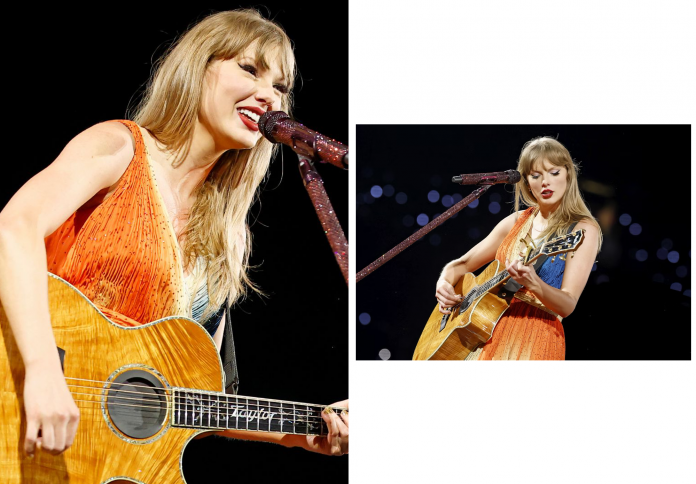
In the ever-shifting landscape of modern pop music, the ultimate currency is no longer just chart placement or viral dance routines—it is the coveted endorsement of an established titan. When Taylor Swift speaks, the industry does not merely listen; it recalibrates. With a staggering discography that has defined a generation's emotional vocabulary, Swift’s own musical palate is fiercely scrutinized for hints of where the zeitgeist might shift next. Recently, the global superstar bypassed the expected roster of established A-listers to shine a massive spotlight on a relatively new voice: the twenty-year-old indie-pop sensation known as Sombr. Praising his intensely raw and confessional lyricism, Swift is not only crowning a new talent but also sparking a broader conversation about modern male vulnerability in songwriting. As fans dissect her every word, this unexpected mutual admiration is raising compelling questions about the future of narrative music.
The Power of the Cosign
When an artist achieves the stratospheric level of influence that Taylor Swift currently commands, their personal playlists become matters of public and industry interest. Her career is a masterclass in the art of the narrative, meticulously building a deeply personal mythology that millions of fans comb through like ancient texts. Therefore, when she publicly praises another artist, it is never interpreted as a casual remark. It is a deliberate spotlight, a passing of the torch, or perhaps a signal of her own shifting creative interests.
During a recent, highly publicized interview with The New York Times, Swift decided to pivot the conversation away from her own towering achievements and direct the cultural gaze toward a rising star. She declared herself a "massive" fan of a twenty-year-old musician performing under the moniker Sombr. For casual radio listeners, the name might still be emerging, but in the digital corridors where indie-pop thrives, he is already a formidable force.
This is the power of the Swift cosign. Within hours of her comments, a new demographic of listeners descended upon Sombr’s discography, eager to uncover what could captivate the most awarded and analyzed songwriter of the twenty-first century. Swift’s endorsement is not just about expanding an audience; it is a profound validation from a master of the craft recognizing a kindred spirit in the trenches of musical storytelling.

The Melancholy Rise of a New Talent
To understand Swift’s fascination, one must delve into the sonic and emotional landscape that Sombr has cultivated. At just twenty years old, the artist has managed to carve out a distinct space in an industry often crowded with manufactured heartbreak. Armed with a tenor vocal range and a penchant for atmospheric, indie-rock production, he bypasses the polished sheen of commercial pop in favor of something altogether more bruised and authentic.
His ascent has been fueled by a string of emotionally devastating tracks. Songs like "undressed," "12 to 12," and "back to friends" have resonated deeply with a generation that values unfiltered mental health discourse and emotional transparency. Unlike the bravado that has historically characterized male pop and rock acts, Sombr’s music feels like reading a stolen diary. It is tentative, bruised, and acutely aware of its own flaws.
This is precisely the artistic territory where Swift herself has reigned supreme for over a decade. Her recognition of Sombr’s talent is an acknowledgment of a shared artistic lineage. They are both architects of the "sad banger," songs that are sonically engaging enough to carry a massive arena but lyrically intimate enough to feel like a late-night whispered confession. By championing his work, Swift is celebrating the continuation of the deeply narrative songwriting tradition she helped revive.
Redefining the Confessional Anthem
What truly captivated Swift, according to her New York Times profile, was not just Sombr’s vocal delivery or his melodic sensibilities, but the devastating precision of his lyricism. Swift, a famously exacting writer who labors over the turn of a phrase, specifically highlighted the "intensely confessional" nature of his work. She pointed to a specific, gut-wrenching lyric that had stopped her in her tracks.
"I don't want another man's child to have the eyes of the girl I can't forget, like are you kidding me?" Swift quoted, clearly marveling at the audacity and the raw ache of the sentiment. In a genre where male heartbreak is frequently masked by anger or detached apathy, a line so desperately vulnerable and unapologetically poetic stands out as a radical departure. It is a lyric stripped of ego, leaving only a visceral sense of loss.
For an artist like Swift, whose entire empire is built on the foundation of turning specific, granular heartbreak into universal anthems, this lyric represents the gold standard of the craft. It is the kind of hyper-specific detail that paradoxically resonates with the widest possible audience because it feels so uncomfortably real. Her sheer disbelief—"are you kidding me?"—is the highest praise one writer can offer another: the quiet envy of a perfectly executed line.

The Gender Politics of Vulnerability
Beyond the simple appreciation of a clever turn of phrase, Swift’s commentary touched upon a much larger, systemic issue within the music industry: the double standard surrounding emotional expression. Historically, female artists who write openly about their romantic failures, anxieties, and heartbreaks have been unfairly categorized as hysterical, bitter, or overly dramatic. Meanwhile, male artists exploring similar themes are frequently lauded as sensitive geniuses.
Swift astutely flipped this narrative during her interview, observing that "having a male artist say stuff like that is really good for the cause of women to be able to say stuff." It is a profound, incredibly self-aware observation. By normalizing intense emotional vulnerability in male artists like Sombr, the industry implicitly expands the acceptable emotional range for all artists. If a young man can sing openly about weeping over a lost future without sacrificing his critical acclaim, it helps dismantle the gendered stigma that has long dogged female confessional songwriters.
In this light, Swift’s endorsement is not just musical; it is political. She is advocating for an industry-wide leveling of the emotional playing field. By elevating a male peer who leans fearlessly into his own fragility, she is actively dismantling the archaic archetypes of pop stardom and championing a future where raw honesty is rewarded regardless of the messenger's gender.
Reading the Sonic Tea Leaves
In the intensely analytical ecosystem of the Swift fandom, no statement is ever taken merely at face value. The moment the New York Times interview hit the internet, the collective machinery of her fanbase kicked into high gear, parsing her praise of Sombr for clues about her own upcoming creative endeavors. Swift is notorious for leaving Easter eggs and subtle hints in her public commentary, and her sudden pivot to discussing atmospheric, deeply melancholic indie-pop has set the rumor mill ablaze.
Fans are now theorizing that her profound appreciation for Sombr’s unvarnished lyricism might signal the sonic and thematic direction of her next studio project. If she is currently consuming music that is defined by its stark vulnerability and lack of protective ego, will her future tracks employ a similar, stripped-back confessional style? The prospect of Swift pushing her already legendary lyrical honesty into even darker, more unfiltered territory is a tantalizing prospect for her listeners.
Whether her appreciation of Sombr is a genuine clue to her next era or simply the sincere admiration of a music lover, the interaction has undeniably altered the pop landscape. It has propelled a deserving young artist into the global spotlight while simultaneously sparking a vital conversation about the evolving nature of songwriting. Ultimately, it proves that even at the very pinnacle of the industry, the greatest artists are always listening, always learning, and always searching for the next lyric that will break their heart.