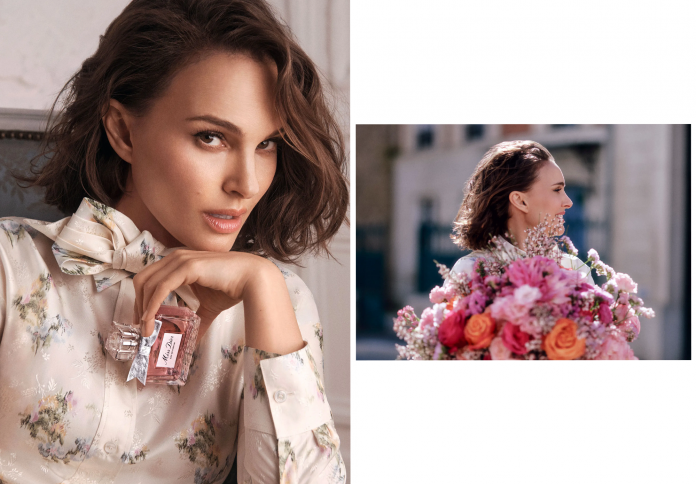
Natalie Portman's long relationship with Miss Dior entered another chapter in 2026, as the actor, director and producer discussed an upcoming third child, a return to romantic comedy and the continuing demands of an international fragrance campaign. Her connection to Dior has lasted through substantial changes in both her career and the way luxury beauty is marketed. Rather than presenting celebrity image as a frozen ideal, this moment invites a consideration of how a public figure can remain recognizable while moving through different stages of life. Miss Dior has always relied on emotion and personality as well as the physical fragrance. Portman's evolving circumstances make that strategy more visible. The distinction between campaign fantasy and the work of an actual performer is what gives the story its particular interest.
A Familiar Face in a Changing Campaign
Portman's association with Miss Dior stretches back many years, giving her an unusual continuity in an advertising landscape where brand partnerships often change quickly. Recognition can help a fragrance maintain a coherent identity even when a campaign's setting, styling or product emphasis evolves. For viewers, her presence provides a point of reference: they know the face, even if they have not followed each iteration of the scent.
Long partnerships carry creative challenges as well. Repetition can dull impact, and a celebrity's life naturally changes while the marketing language of a perfume may favor timelessness. Maintaining interest requires an evolution that feels purposeful rather than a series of superficial image updates. Portman's 2026 appearance creates a useful occasion to revisit how the relationship operates.
Motherhood Without a Scripted Identity
Coverage in August 2026 described Portman as expecting her third child. The news adds a personal dimension to interviews that also address her professional plans. Yet motherhood does not provide a complete explanation for an actor's creative choices or public image. It is one aspect of a life that also contains work as a performer, filmmaker and producer. Reducing the moment to a conventional maternal narrative would flatten the very complexity that makes it interesting.
Celebrity fragrance advertising frequently relies on simplified ideals of confidence, romance or freedom. Actual lives are less tidy. The contrast does not make the campaign inauthentic, but it reminds audiences to keep the performer separate from the character constructed for the commercial.
Romance Returns to the Screen
Portman also discussed a return to romantic comedy, a genre that places relationships and emotional timing at the center of performance. The association is suggestive for a fragrance campaign built around desire and feeling, but it should not be stretched into the claim that a film role and a beauty partnership express the same message. Acting demands the creation of distinct characters; an advertising campaign asks a familiar figure to convey a brand's identity.
That difference reveals the range of celebrity work. A performer may move from serious drama to comedy, from behind the camera to the red carpet, without any single role defining the whole career. The ability to change registers may help explain why a long-term fragrance partnership can remain visually flexible.
What a Fragrance Campaign Can and Cannot Say
Miss Dior's romantic imagery invites viewers to associate scent with personal freedom and emotional connection. Those associations are central to perfume advertising, where the sensory experience cannot be communicated directly through a screen. The campaign supplies a story, facial expression and atmosphere in place of smell. Portman's familiarity helps make that story instantly legible, particularly to audiences who have encountered her earlier Dior work.
But imagery offers a mood rather than an objective product assessment. A fragrance's actual character, longevity and suitability remain individual questions. Viewers can enjoy the artistic production of a commercial while keeping their purchasing decisions grounded in testing and preference.
A celebrity ambassador is sometimes expected to symbolize one uncomplicated quality, but the strength of Portman's career lies partly in its range. She has navigated acting, directing and producing while occupying a public role in fragrance advertising. Those projects operate under different creative expectations. A film can allow uncertainty or contradiction; a commercial usually aims to condense an identity into a short, memorable impression. The contrast helps explain both the usefulness and the limitation of a long-running partnership.
It also cautions against overreading the timing of personal news. An actor's pregnancy may become part of press coverage, but it need not be used as a marketing explanation for a fragrance. The most grounded understanding of the 2026 moment keeps the distinct strands of her life visible instead of forcing them into a single polished narrative about transformation.
A Partnership Measured in Years
The most interesting feature of Portman's relationship with Miss Dior may be its endurance across changing stages of both brand and career. A recognizable ambassador provides continuity; new work, family circumstances and creative interests prevent that continuity from becoming static. The 2026 campaign belongs to a particular moment, not to an unchanging celebrity persona.
Portman's example shows how luxury marketing can borrow from real experience without claiming ownership of it. Her career and family life continue independently of the perfume. The campaign is one crafted public expression among many, and its enduring appeal depends on allowing that distinction to remain visible.
The contrast between a carefully composed beauty image and an evolving career is not a contradiction that needs fixing. It simply illustrates that publicity captures one version of a person at a particular moment. Portman’s work outside advertising remains essential to understanding her public presence.