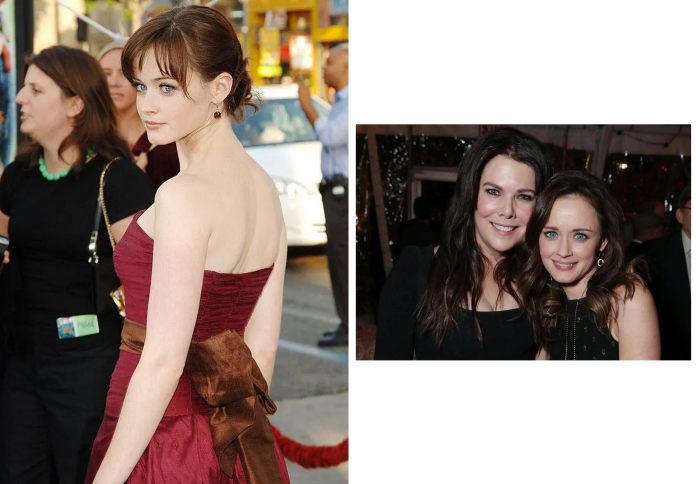
Twenty-five years after Gilmore Girls premiered in 2000, the cast’s careers reveal how unusual the show’s afterlife has become. Lauren Graham and Alexis Bledel remain inseparable from Lorelai and Rory in popular memory, yet both built substantial work beyond Stars Hollow. Melissa McCarthy became one of Hollywood’s biggest comedy stars; Milo Ventimiglia found another defining television role in This Is Us; Jared Padalecki spent fifteen seasons on Supernatural; and Kelly Bishop continued an acclaimed stage-and-screen career while later publishing a memoir titled The Third Gilmore Girl. The 2016 Netflix revival, Gilmore Girls: A Year in the Life, reinforced the franchise’s durability, but streaming created an even larger transformation by making the original series available to new generations who treat autumn rewatches as a ritual. The cast moved on professionally. Culturally, however, Stars Hollow became less like a completed television set and more like a place viewers keep deciding to revisit.
Lauren Graham Made Verbal Speed Feel Emotional
As Lorelai Gilmore, Lauren Graham carried one of television’s most demanding dialogue rhythms. The character’s jokes, references, and defensive wit arrive at a speed that can obscure how much emotional information is moving underneath them. Graham’s performance made the language feel spontaneous enough that viewers could forget how precisely it had to be controlled.
After Gilmore Girls, she found another durable television role on Parenthood, where the tone was looser and more naturalistic. The contrast demonstrated that her appeal was not limited to Amy Sherman-Palladino’s rapid-fire writing. Graham also published books and continued working across television and film, but Lorelai remains the role through which many viewers understand her particular mixture of warmth, exasperation, and comic velocity.
.jpg)
Alexis Bledel Chose a Quieter Path After Rory
Alexis Bledel entered Gilmore Girls with relatively little screen experience and became one of the defining faces of early-2000s television. Rory’s bookishness, ambition, and increasingly complicated decisions gave the series a second coming-of-age story alongside Lorelai’s adult one.
Bledel later appeared in Mad Men and earned major recognition for The Handmaid’s Tale, including an Emmy. That work was striking partly because it used her reserve differently. The qualities that once made Rory seem observant and gentle could become unsettling or emotionally compressed in darker material. Her post-Gilmore career showed how a familiar television persona can be reinterpreted rather than simply repeated.
Supporting Players Became Leads Elsewhere
The show’s ensemble now looks unusually rich in retrospect. Melissa McCarthy, who played Sookie St. James, developed a major film-comedy career and earned Academy Award nominations. Milo Ventimiglia moved from Jess Mariano to Heroes and then This Is Us, where Jack Pearson became another defining television character. Jared Padalecki left Dean Forester behind for Supernatural, a series that ran from 2005 to 2020.
Those trajectories change how old episodes play. A small-town ensemble that originally functioned around the Gilmore women now contains performers viewers may encounter through entirely different genres and fan communities. Rewatching becomes a kind of reverse casting game, with later careers visible inside earlier roles.
Kelly Bishop Became an Archive Keeper of Her Own
Kelly Bishop’s Emily Gilmore gave the series one of its sharpest sources of conflict and affection. Emily can be controlling, socially rigid, and devastatingly funny, but the character’s relationship with Lorelai gains depth because Bishop never reduces her to a wealthy antagonist. The hurt between mother and daughter is mutual even when their power is not.
Bishop’s later memoir, The Third Gilmore Girl, turned her into an explicit narrator of the show’s history as well as a participant in it. Her long career in theater and television predates Stars Hollow by decades, including a Tony-winning stage career and roles such as Dirty Dancing. The memoir title itself acknowledges how thoroughly Gilmore Girls became part of her public identity.
Streaming Turned the Series Into a Seasonal Ritual
The 2016 Netflix revival brought the characters back in new episodes, but the more profound second life came through the availability of the original seven seasons on streaming. Younger viewers could discover the show without waiting for reruns, and longtime fans could return to it from the beginning whenever they wanted. Its coffee shops, knitwear, books, and New England fantasy became especially associated with autumn viewing.
That ritual explains why “where are they now?” feels like an incomplete question. The actors are elsewhere—on other shows, in films, in books, or outside constant public visibility—but their Gilmore characters remain immediately accessible. Television used to disappear more decisively after cancellation. Stars Hollow never did. The cast’s impressive careers now coexist with a fictional town that keeps reopening every time someone presses play on the pilot again.
Stars Hollow Endures Because the Show Made Routine Feel Like Plot
Gilmore Girls is remembered for fast dialogue and major romantic choices, but much of its emotional durability comes from repetition: coffee at Luke’s, town meetings, Friday-night dinners, walks through the square, school routines, and seasonal festivals. These recurring spaces gave viewers the sense that life continued between dramatic events. The town became familiar through use rather than exposition.
That quality is perfectly suited to streaming rewatch culture. Viewers do not return only to find out what happens; they already know. They return to re-enter a rhythm. The cast’s later careers can be impressive without threatening that comfort because the characters remain preserved at particular ages inside the series. Lauren Graham may take on another role, Alexis Bledel may step away from the spotlight, and Melissa McCarthy may become a film star, but Lorelai, Rory, and Sookie are still waiting in the same episodes. This is the peculiar immortality of long-form television. Actors move forward while their earlier selves remain available on demand, turning “where are they now?” into a question with two answers: professionally, elsewhere; emotionally, still in Stars Hollow whenever autumn arrives.