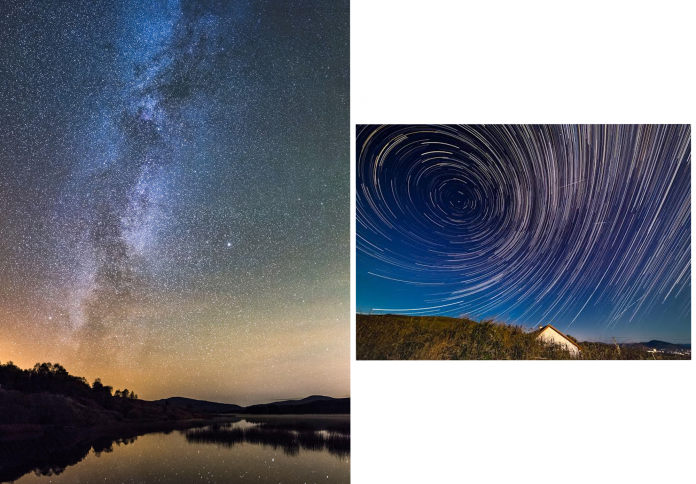
Europe’s dark-sky destinations offer access to clearer night skies away from the light pollution of major cities. The story is compelling because the concrete details sit inside a larger shift involving landscape, local culture, and sense of place. The point is not to inflate one result, appointment, launch, project, claim, or destination into a grand statement. It is to notice the decisions surrounding it and the expectations those decisions have to meet. That means looking beyond the obvious hook toward process: who is shaping the work, how it reaches the public, what kinds of value are being emphasized, and where tensions remain unresolved. Those questions give the moment proportion and texture, turning a timely development into a clearer view of the culture and systems around it.
Darkness Is Becoming a Travel Resource
The cleanest way into Europe’s Dark-Sky Destinations Restore the Drama of Night is through the fact itself. Europe’s dark-sky destinations offer access to clearer night skies away from the light pollution of major cities. From there, the story expands into questions of landscape and access. That movement—from a concrete event to the structure around it—is where the editorial value lies. It keeps the article anchored while allowing room for interpretation. Instead of treating attention as proof of lasting importance, it asks why this particular development is resonating now and which habits of the wider field it brings into unusually sharp view.
There is a difference between the object of attention and the machinery that produced it. The object may be a destination, route, museum, landscape, rail journey, or urban itinerary; the machinery includes route, season, local knowledge, infrastructure, culture, stewardship, and pace. Magazine storytelling is strongest when it keeps both in frame. The surface offers immediacy, while process explains why the surface took this form rather than another. That relationship is especially revealing in moments of transition, when old assumptions remain visible even as new priorities appear. The most telling details are often the ones that show where those two forces meet.

Europe’s Best Night Skies Depend on Protection From Light
The second distinction is between public image and lived effect. Europe’s Dark-Sky Destinations Restore the Drama of Night enters a field already crowded with memories, loyalties, skepticism, and expectations. That means traveler expectation and local context will shape how the same facts are read by different people. A familiar name can activate nostalgia; an unfamiliar format can create resistance; a high-profile setting can magnify choices that might otherwise seem minor. None of those responses changes the underlying facts, but they do change the cultural life of the story once it moves beyond the people or institutions that produced it.
A wider reading also brings the balance between discovery and stewardship into view. Headlines often prefer a decisive narrative, yet fields change through accumulation rather than a single dramatic pivot. One appointment, launch, result, building, policy, or journey can still matter because it alters the available vocabulary of the field. It can normalize a choice, reopen an old debate, or expose a limitation that had been easy to overlook. Those effects are worth tracking precisely because they do not require the moment to be unprecedented in order to be consequential.
Stargazing Changes How Rural Landscapes Are Experienced
A useful article should eventually return from symbolism to function. What does the development actually do inside its field? In Europe’s Dark-Sky Destinations Restore the Drama of Night, the answer sits at the intersection of landscape and access and traveler expectation and local context. That intersection determines whether the story remains compelling after the novelty wears off. It also shows where expectations may be unrealistic. A development can be meaningful without solving every problem around it, just as an imperfect outcome can still introduce an idea that others adapt more successfully later. Proportion is not caution for its own sake; it is a way of seeing more clearly.
The story also points outward toward the institutions that sustain the culture of travel. Markets, regulators, studios, brands, clubs, museums, platforms, developers, retailers, and local authorities play different roles depending on the subject, but all shape the boundaries of action. Europe’s Dark-Sky Destinations Restore the Drama of Night offers a useful snapshot of those boundaries. It shows where influence is concentrated, where expectations are changing, and where practical constraints remain stubborn. Those structural questions can seem less dramatic than the headline, yet they often determine which parts of a moment have consequences after the attention cycle ends.

Dark-Sky Tourism Works Only if Darkness Is Preserved
For that reason, the most valuable takeaway is not a verdict but a sharper set of questions. Which choices in Europe’s Dark-Sky Destinations Restore the Drama of Night are specific to this case, and which reflect a broader change? What depends on timing or personality? What could travel to another context, and what would lose meaning if separated from the conditions that produced it? Asking those questions keeps interpretation open without becoming vague. It also respects the difference between evidence and projection. A magazine can offer perspective without pretending to know the final shape of a story that is still developing.
Seen this way, Europe’s Dark-Sky Destinations Restore the Drama of Night is less a final statement than a useful cross-section of the culture of travel at a particular moment. It shows what is being valued, where friction is appearing, and how public attention can elevate a specific development into a broader conversation. The durable insight is not that one event has settled the direction of the field. It is that the event has made certain choices newly visible. Holding onto that distinction allows the story to remain both lively and credible, which is ultimately the standard an editorial account should meet.