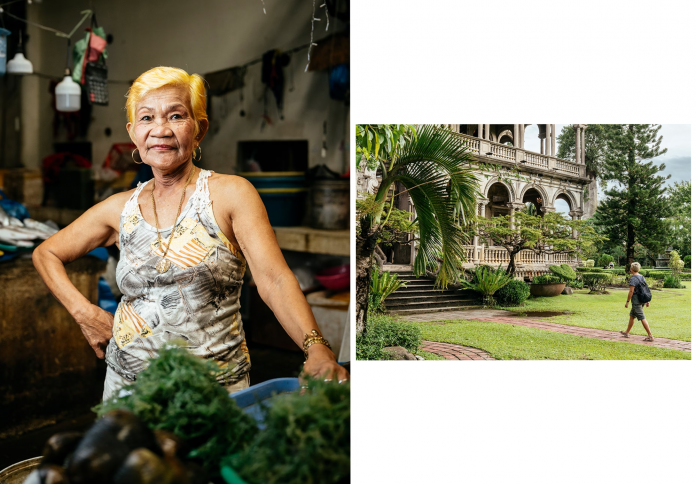
Across Negros and the Western Visayas, cultural preservation is happening at tables, workshops, farms and neighborhood walls rather than behind a single museum door. Hiligaynon cooks are restoring attention to batwan, diwal clams and tultul sea salt; families are opening sugar-era houses while confronting the industry that financed them; artisans are turning Capiz shell into contemporary objects; and a coastal community has offered its buildings as canvases. The work is neither nostalgic nor simple. It asks who gets to tell regional history, which ingredients survive and how tourism can create a livelihood without flattening local identity. In a province long defined by sugar, residents are using food, craft and art to build a more complicated inheritance.
Flavor as a Regional Vocabulary
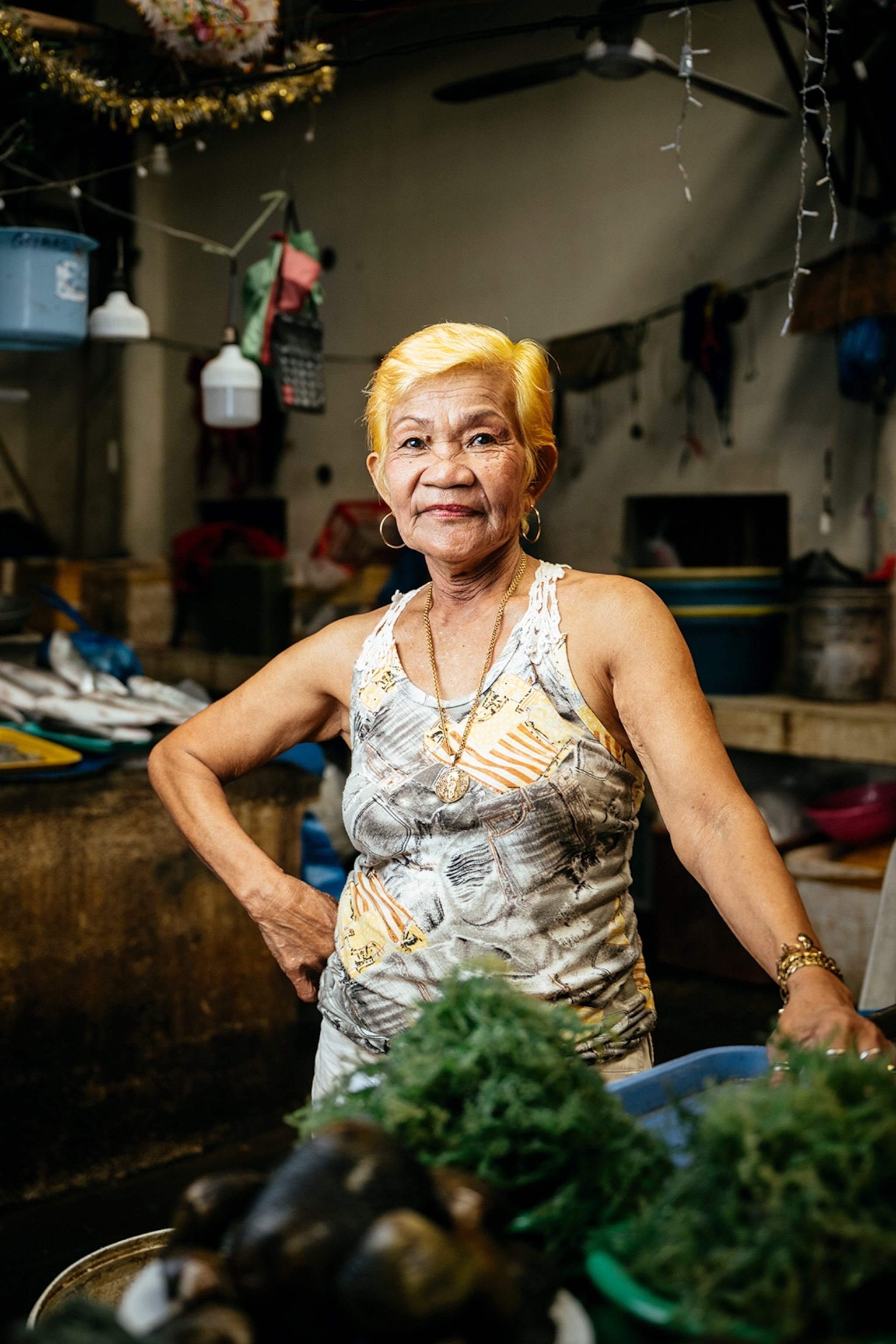
Hiligaynon contains words that seem made for a dining room: lagting evokes cutlery scraping and tapping, tamsak suggests lips smacking, and mananam describes the sound of savoring something delicious. At Lanai by Fresh Start in Bacolod, those sounds accompany food grounded in Negros. Owner Ramon “Chinchin” Uy Jr. serves a brioche bun filled with ginamos, a pungent fish or shrimp paste, and mixes a cocktail with batwan, the small sour fruit that gives many local dishes their identifying acidity.
Ninety-eight percent of the restaurant’s ingredients are grown on Chinchin’s farm or sourced hyper-locally. That commitment is cultural as well as culinary. He co-founded Slow Food Negros in 2012 and helped Bacolod secure the first Terra Madre Asia and Pacific gathering in 2025. Iloilo had already become the Philippines’ first UNESCO Creative City of Gastronomy in 2023. Together, those milestones give regional food a platform that national narratives have often denied it.
Sugarlandia Without Amnesia
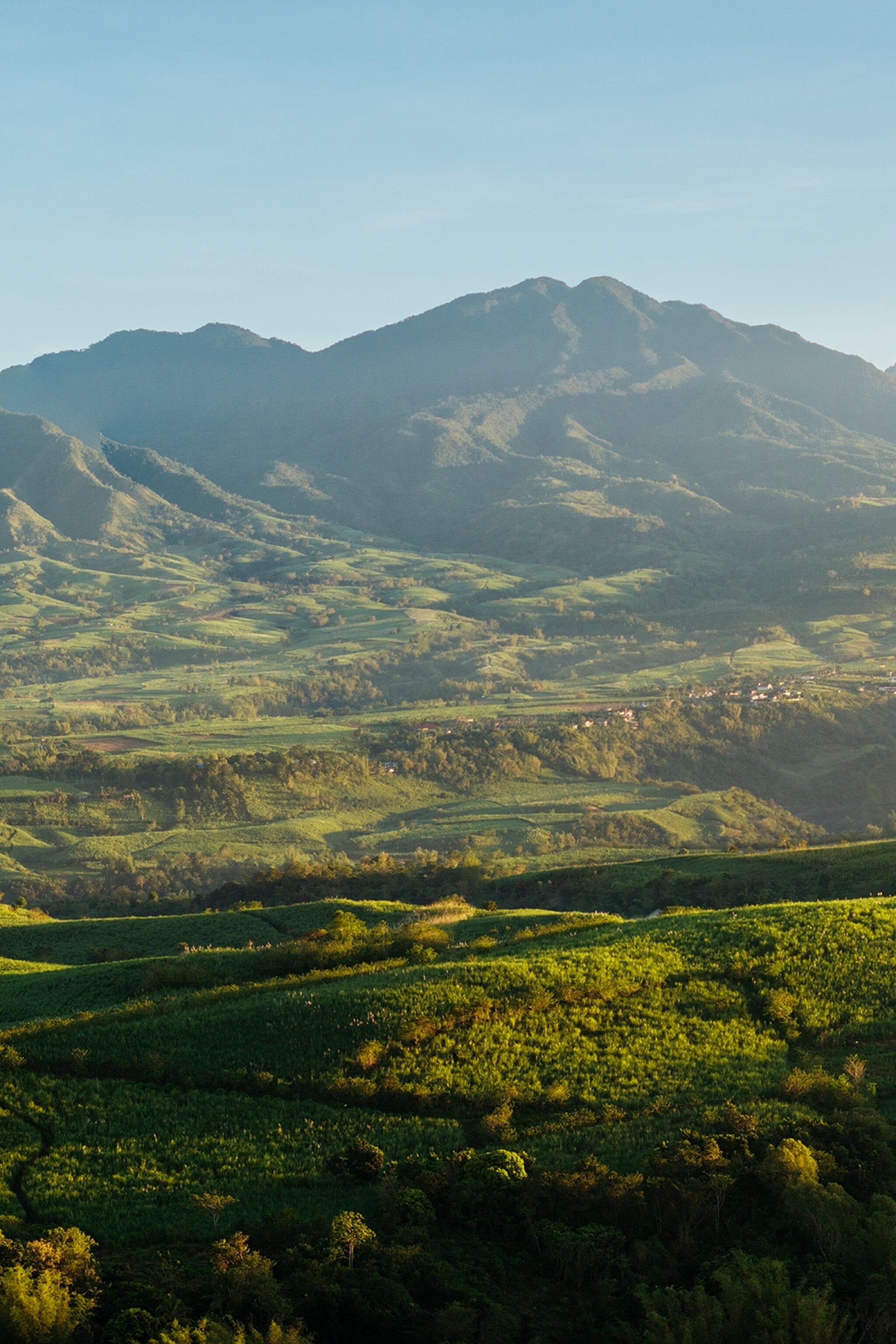
Sugar has shaped Western Visayas since the Spanish period, and Negros remains the industry’s center. The old nickname “Sugarlandia” carries wealth and exploitation in the same word: plantation families built substantial houses while Filipino laborers endured brutal conditions. Reuse now provides a way to preserve the architecture without sanitizing the system behind it.
The Ruins, an early 20th-century mansion north of Bacolod, has become a sunset destination with gardens, a restaurant and shop. Don Mariano Lacson built it in memory of his wife, Maria Braganza, after her death in 1911. Filipino guerrillas later burned it during the Second World War to prevent Japanese forces from occupying it. Don Mariano’s great-grandson Raymund Javellana began clearing the neglected property in 2005 and converted the surviving Italianate arches into a public site.
The Gaston Ancestral House in Manapla presents a more intact domestic world. Balayong wood floors, solihiya rattan weaving and carved pineapple motifs locate the building within Philippine material traditions. Keeping such houses alive is not a neutral act of decoration. It makes the contradictions of plantation history visible while supporting guides, caretakers and local travel.
Shell, Resin and Second Careers
Ten miles south of Bacolod, Tumandok Crafts Industries emerged after a sugar mill closed in the 1990s. Josephine Locsin created the workshop to employ former mill workers, first selling goods by Negros artisans and then developing new techniques. Applying polyester resin to coconut shell made it more durable; extending the process to translucent Capiz shell opened further possibilities.
Tables, clocks, frames, clothing details and jewelry now carry the pearly material. Visitors can arrange fragments into their own pieces, turning a purchase into contact with the making process. Several workers eventually established businesses of their own, fulfilling Josephine’s hope that the factory would become a starting point rather than a permanent dependency.
A Province Painted From the Ground Up
In Purok Bougainvillea, artist Nune Alvarado transformed houses, a chapel and a convenience store into Pinta Balay, a community-scale gallery. Residents volunteered their walls. His bright swirls and angular forms draw from a career in Philippine Social Realism, a movement that developed in the 1970s and often addressed the lives of sugar workers. Here the palette shifts toward sunrise orange, hibiscus red, pink and blue without abandoning the community focus.
Farther north, 7 Hectares connects heritage to aquaculture. Former advertising professional Kiko Torno and his wife Gretchen converted an abandoned tiger-prawn farm into a project raising native species such as barramundi and horn snails. Chef Gus Sibayan uses the farm’s produce with batwan, diwal and tultul, an artisanal salt made through a demanding process involving seawater-soaked driftwood, ash and coconut milk.
The menus at 7 Hectares turn preservation into appetite. Laswa, an earthy vegetable soup, is topped with diwal, an angel-wing clam prized for a custard-like texture. Once pushed close to disappearance by overfishing, the species is recovering under a restricted season. Tultul has also benefited from a 2024 change to rules that had limited the sale of uniodized salt. Regulation, farming and cooking meet on the same plate.
Those ingredients belong to Slow Food’s Ark of Taste because they and their associated knowledge are at risk. Their survival depends on continued use, not display. The Hiligaynon word padayon means to continue, persist and endure. It describes a culture carried by repeated acts rather than one revival campaign. On Negros, that persistence is practical: plant the fruit, cook the clam, train the artisan, reopen the house and let local history earn a future.