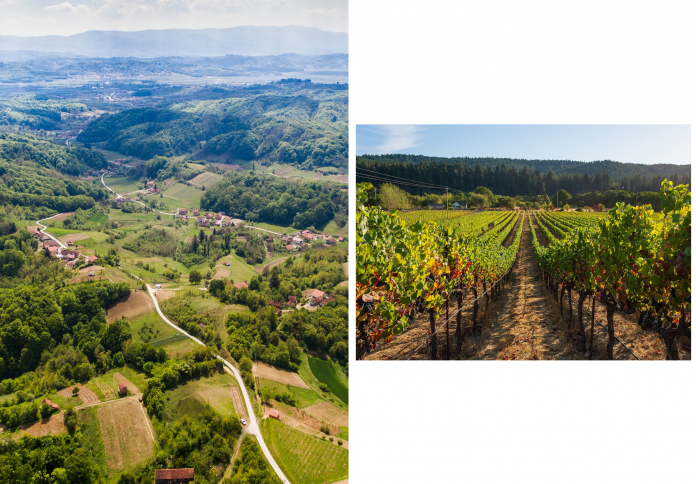
Just an hour north of the vibrant Croatian capital of Zagreb lies a tranquil, undulating landscape that feels entirely removed from modern time. Known as Zagorje—a name that translates poetically as “beyond the hills” or “behind the mountain”—this central region is a living storybook of white-towered medieval castles, slumbering farming villages, and mist-draped woodlands. Yet, amid this bucolic paradise lies one of Croatia’s best-kept oenological secrets. Cultivated across tiny, generation-transmitting plots jigsawed between ancient forests, Zagorje’s family-run vineyards are quietly redefining the country’s wine culture, offering travelers a charming, unpretentious alternative to the sun-bleached coasts of Dalmatia and Istria.
Uncovering the Oenological Roots of Zagorje
Compared to the heavy commercial output of southern Croatian wine regions, cool-climate Zagorje has historically been viewed as an intimate, rustic backwater. For generations, local families managed tiny half-acre plots primarily for personal consumption, using small vineyard cabins known as klets to store tools, cure meats, and watch the sun gild the horizon over a glass of wine. Because family estates were traditionally divided among siblings rather than sold, commercial winemaking struggled to take root on a large scale.
However, beneath this unassuming surface lies profound viticultural history. Modern DNA analysis of local vines has revealed that Zagorje is intimately tied to global wine heritage, housing ancient grapes like gouais blanc—the historic parent variety that gave rise to classic European staples such as chardonnay and riesling. Today, a tight-knit community of multi-generational winemakers is transforming this heritage into a celebrated craft, proving that the region’s crisp acidity and complex microclimates are ideal for world-class production.
From Family Hamlets to Boutique Retreats
The renaissance of Zagorje wine is best captured by visionary local properties that honor the region’s agricultural past while embracing refined hospitality. Destinations like Vuglec Breg have transformed abandoned hilltop farming hamlets into rustic, soul-stirring retreats where guests can sleep in cottages adorned with gingham curtains and apple-green shutters. Here, former barns and chicken coops have been thoughtfully repurposed into world-class culinary spaces serving elevated regional cuisine.
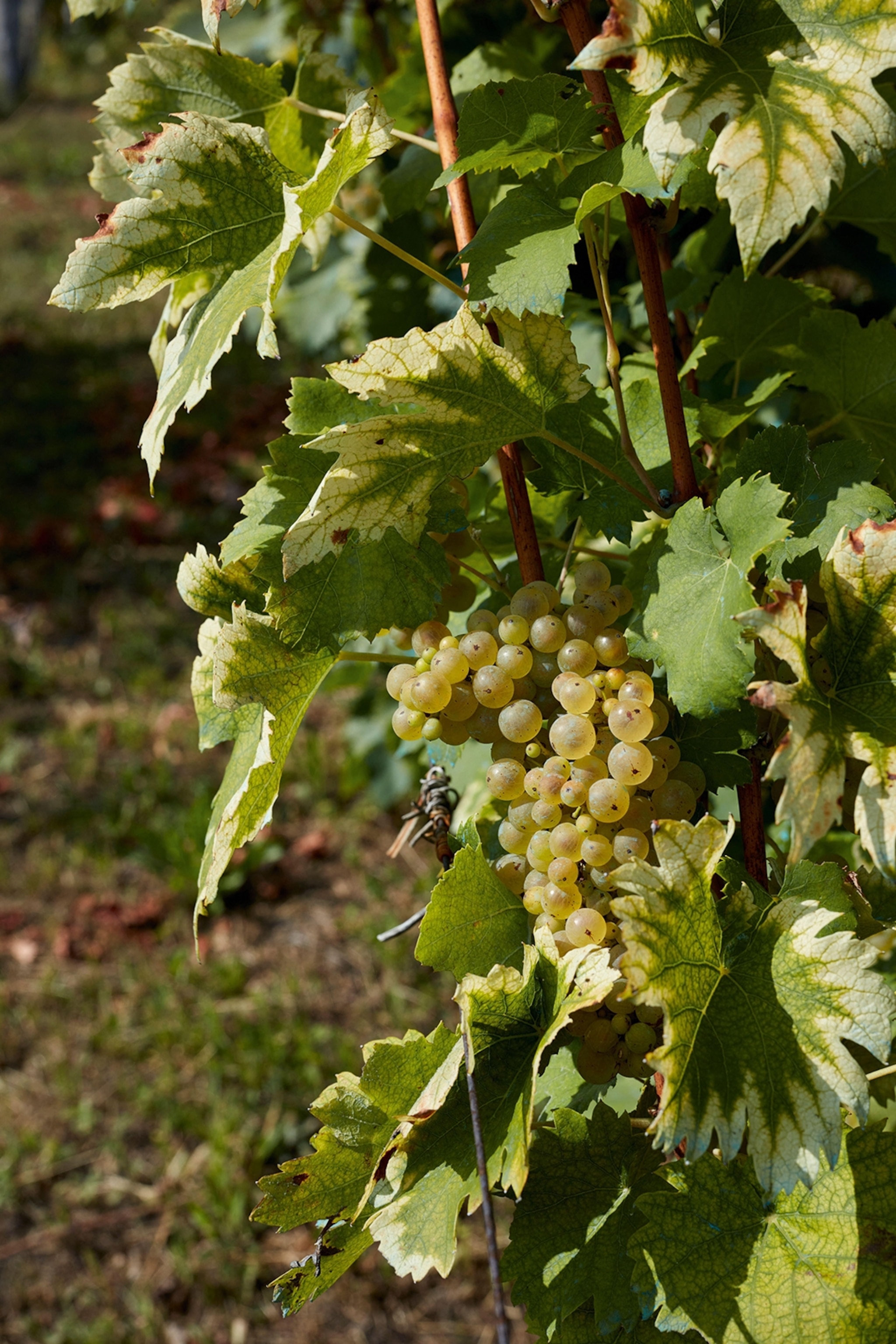
This seamless blend of heritage and modern passion is echoed at nearby estates like Petrač Winery, where vineyards spill down steep hillsides like golden waterfalls. Winemakers here have pioneered bolder varietals—such as introducing Bordeaux reds to the cool-climate landscape—while maintaining a deep respect for the land. Visitors sitting on vineyard terraces are treated not just to exceptional wine, but to the unfiltered warmth of families who view their craft as a living, breathing art form.
A Fairytale Landscape of Castles and Vineyards
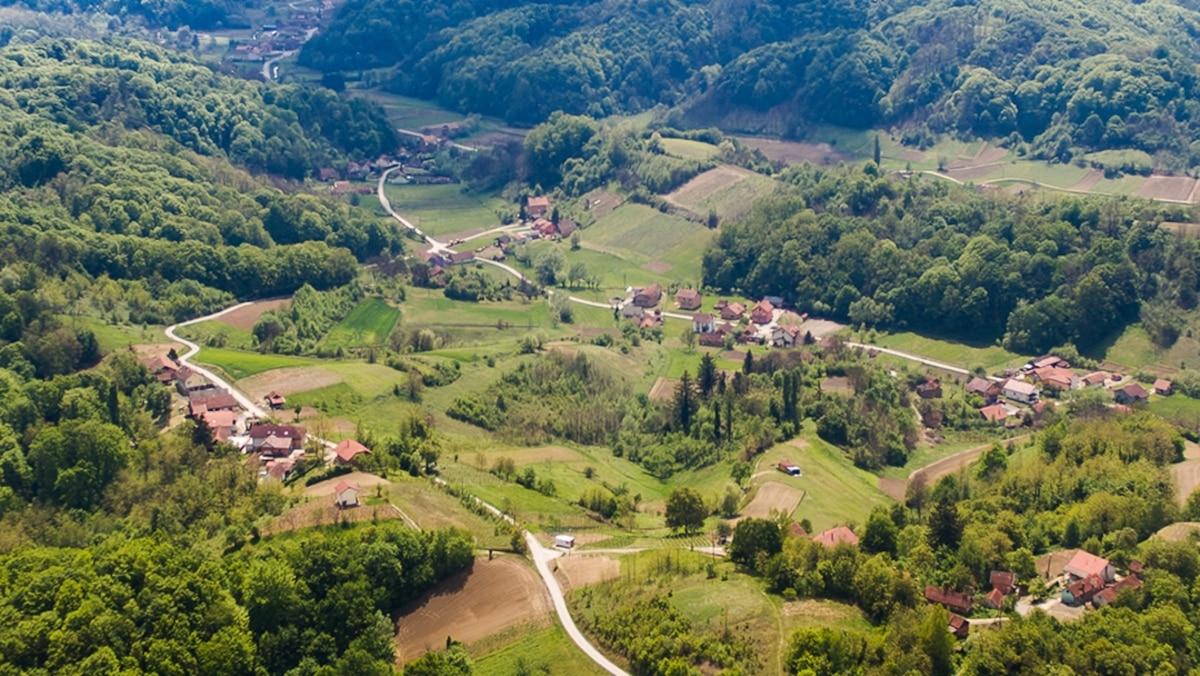
Exploring Zagorje is an exercise in slow, deliberate discovery. The winding country lanes meander through quiet valleys where white geese waddle across farmyards and corn cobs dry outside sagging historic barns. Looming over the hummocky hills is the magnificent 15th-century Veliki Tabor Castle, a striking cluster of white stone towers originally built to repel eastern invasions, now offering panoramic views of the verdant patchwork below.
Unlike the manicured, highly commercialized wine routes of Western Europe, a journey through Zagorje feels deeply personal and intimate. Whether touring century-old brick cellars filled with the rich aroma of fermentation or sharing stories with winemakers over platters of local delicacies, travelers are invited into an authentic rhythm of life. It is a place where every bottle tells a story of perseverance, family, and a profound, enduring love for the land.