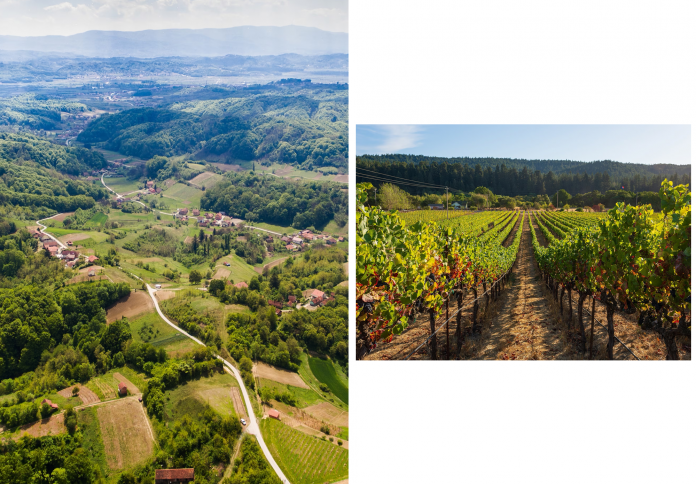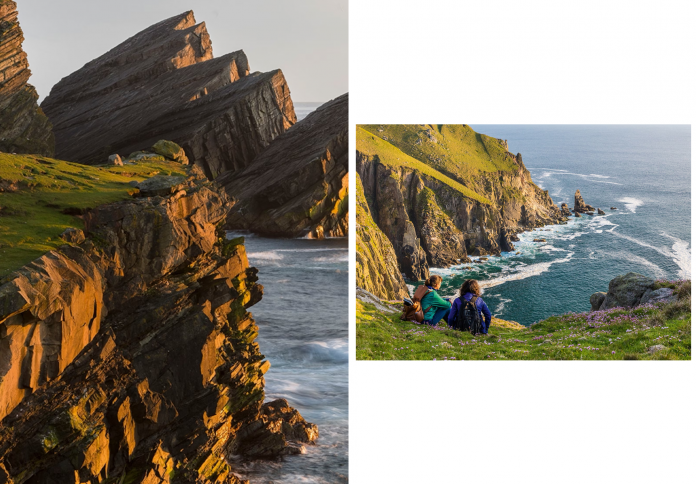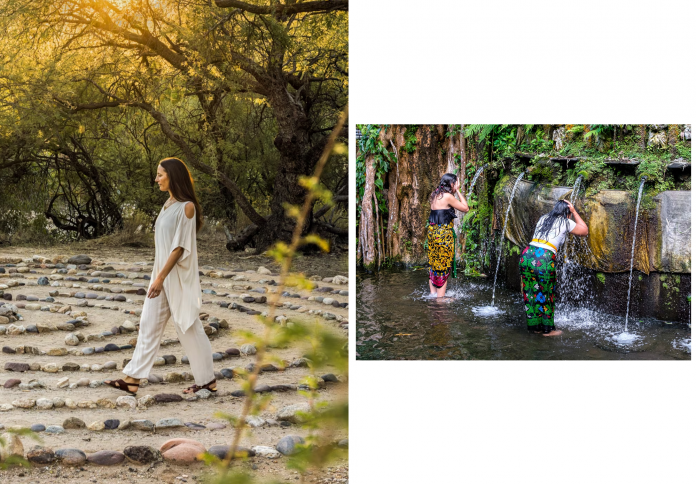
In an era of relentless digital noise and constant stimulation, the traditional conception of “wellness”—often reduced to sterile spas and commercialized health trends—is undergoing a profound transformation. As National Geographic’s 2026 guide to global wellness experiences reveals, true restoration is no longer found in artificial luxury, but in the deliberate reclamation of presence, silence, and connection to the natural world. From the quietude of ancient pilgrimage routes in Wales to the architectural harmony of Frank Lloyd Wright’s Wisconsin estate, the most restorative destinations of the coming year prioritize contemplative motion and immersion in local ecosystems. These experiences challenge us to move beyond the superficial, suggesting that the most effective remedy for modern burnout is not an escape from our environment, but a deeper, more intentional integration into the landscapes that ground us.
The Soul-Centered Desert: Canyon Ranch, Arizona
At the edge of the Sonoran Desert, wellness is being redefined through a marriage of ancient shamanic tradition and modern neuro-science. Canyon Ranch, a sanctuary known for its focus on holistic health, has integrated “soul journeys” that utilize neuro-acoustic sound beds and meditative sound bowls to facilitate deep introspective states. By combining environmental immersion—surrounded by towering saguaro cacti—with technology designed to bridge the gap between mind and body, the center offers a path to clarity that feels both grounded and revolutionary.
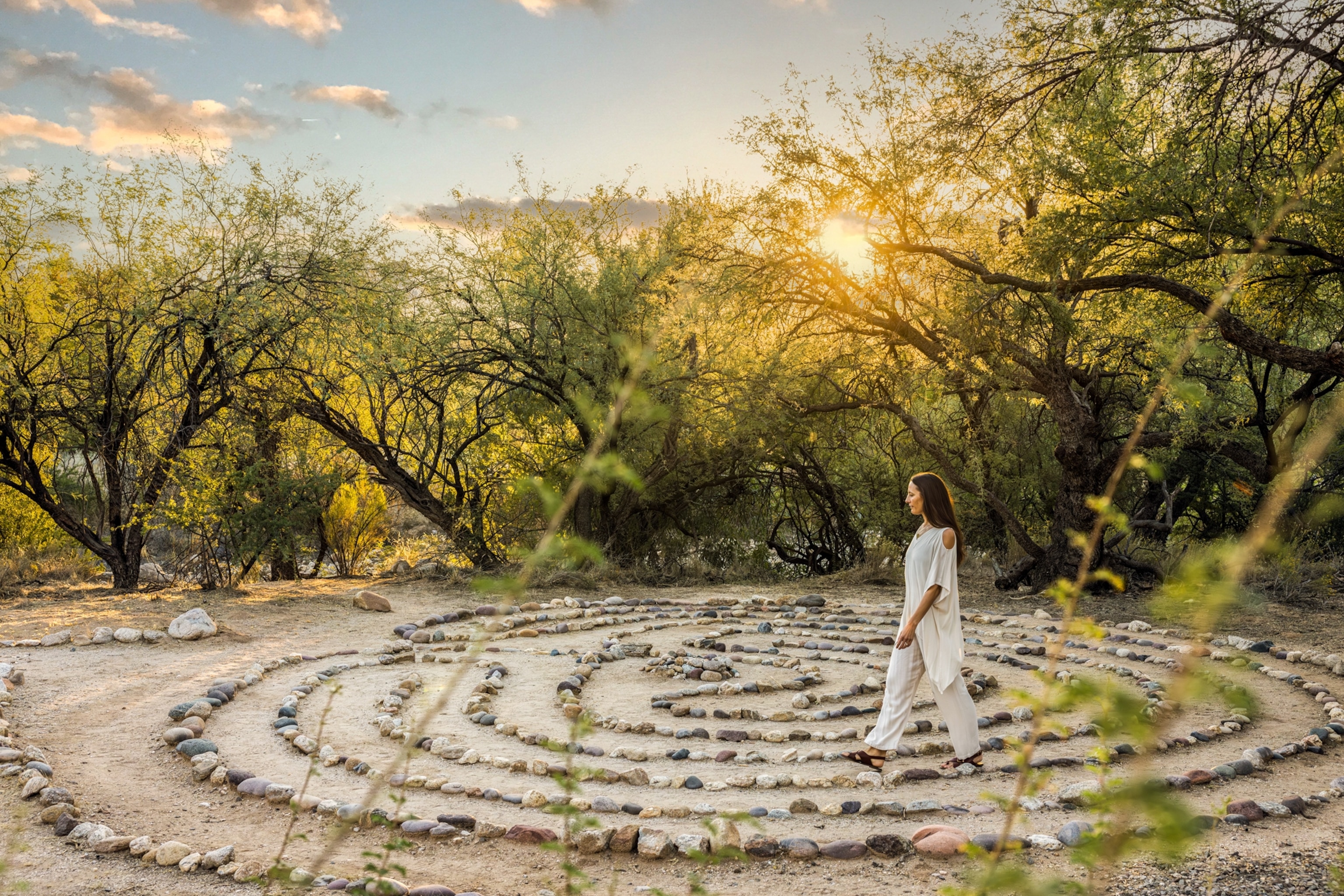
This experience underscores a significant trend in the evolving wellness industry: the return to ritual. In a world saturated with ephemeral trends, the rediscovery of shamanic techniques serves as a comforting anchor. It reminds travelers that the tools to explore our own consciousness have existed for centuries, and that even within a high-end, all-inclusive setting, the most valuable luxury is the time to sit in silence and observe the inner workings of the human spirit.
Contemplative Motion: The North Wales Pilgrim’s Way
For those who find wellness not in stillness, but in movement, the North Wales Pilgrim’s Way offers a radical departure from the standard spa retreat. Spanning 136 miles from Basingwerk Abbey to the “island of 20,000 saints,” this trail is being rediscovered as a pilgrimage for the soul. The wellness found here is not purchased; it is earned through the rhythmic, meditative act of walking through beech woods, sheep-dotted hillsides, and rugged coastal cliffs.
The journey is an exercise in stripping away the velocity of modern life. As walkers move past ancient stone chapels and wind-swept estuaries, the sense of time begins to stretch and slow. In the absence of digital interference, the focus shifts to the immediate: the tang of salt in the air, the texture of the path, and the warmth of a local community. It is a powerful reminder that wellness is often the byproduct of returning to a simpler, more presence-oriented state of being.
Architectural Harmony: Taliesin, Wisconsin
Wellness can also be found in the deliberate design of our surroundings. Taliesin, the UNESCO World Heritage site and former home of Frank Lloyd Wright, demonstrates how architecture can function as a therapeutic medium. By fostering an environment where human space exists in perfect equilibrium with the rolling Welsh Hills of Wisconsin, Wright’s philosophy encourages a meditative connection to nature that transforms the simple act of living into an art form.

Visitors to Taliesin engage in practices like meditative tea ceremonies and calligraphy, rooted in the concept of kokoro—the connection of heart, mind, and soul. These activities emphasize that beauty and harmony are not abstract concepts, but tangible qualities found in the fold of a napkin or the stroke of a brush. It is an invitation to view our physical environment as an extension of our internal state, proving that thoughtfully crafted spaces can actively balance the soul.
Wild Immersion: The Highlands of Scotland
Deep in the Cairngorms National Park, the Glen Dye estate offers a wild, untamed version of wellness that rejects the television-filled, sanitized nature of traditional hospitality. Here, the retreat is facilitated by cold-water dunks in peaty pools, forest bathing among blaeberry bushes, and whittling wood by a communal campfire. The estate’s owners have curated an environment where the goal is to reconnect with nature, and by extension, each other.
By removing the barriers of modern technology and replacing them with turntables, libraries, and outdoor saunas, Glen Dye fosters an atmosphere of “naturally nurturing” rest. The inclusion of artistic, feel-good messages scattered through the woods suggests a gentle, human-centric philosophy that permeates the landscape. It is a destination that proves true wellness does not require us to hide from the world, but to engage with it in its rawest, most authentic form.