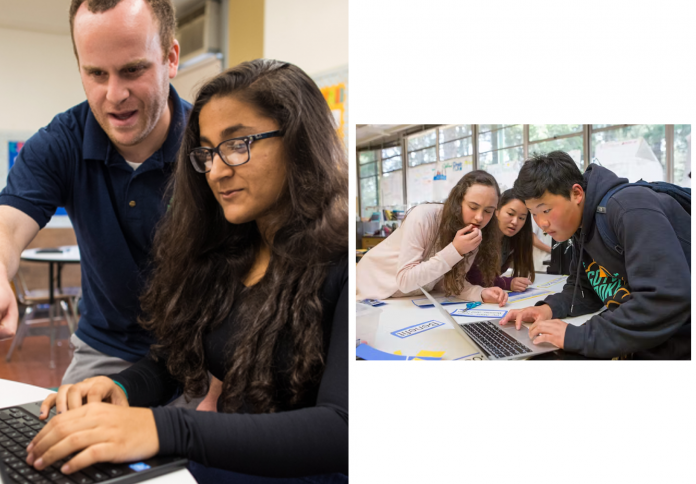
As artificial intelligence integrates into the fabric of daily life, schools across the globe find themselves at a critical crossroads: how to teach students about a technology that is simultaneously transforming every industry and raising profound ethical concerns. Educators are moving beyond basic computer science, debating how to incorporate AI literacy into curricula without sacrificing essential human skills. Whether treating AI as a productivity partner, an object of technical study, or a catalyst for critical debate, the pedagogical approach schools adopt will fundamentally shape how the next generation perceives, interacts with, and regulates these powerful tools. This transition demands a balanced framework that encourages innovation while fostering a skeptical, grounded understanding of what machines can—and cannot—truly achieve.
The Tool-Centric Approach: AI as a Cognitive Partner
The first pedagogical model views artificial intelligence primarily as an advanced tool, analogous to the introduction of the scientific calculator or the word processor. In this framework, students learn the “how-to” of AI: how to craft effective prompts, leverage large language models for brainstorming, and use AI-powered analysis to tackle complex datasets. The primary focus here is efficiency and augmentation, teaching students to integrate AI into their existing workflows to enhance their personal productivity and problem-solving capabilities.
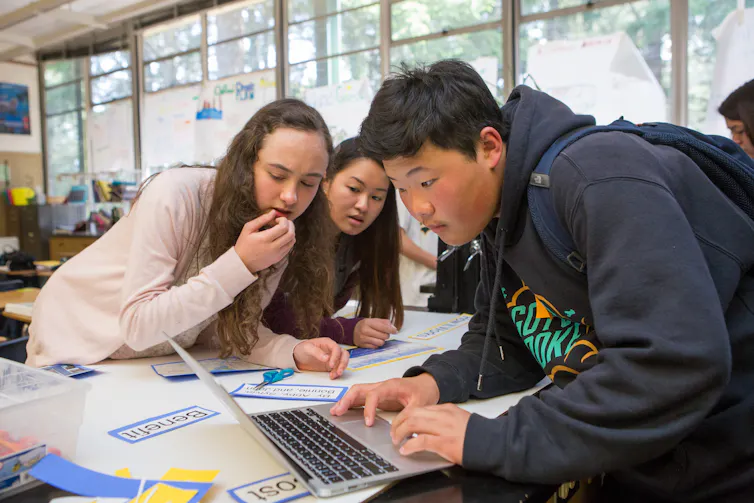
While this model is undeniably practical, it faces the risk of over-reliance. If students learn to view AI as an extension of their own cognitive processes, they may struggle to develop the foundational skills that the technology is designed to replace. Critics argue that prioritizing tool usage over conceptual mastery risks creating a generation that is technically proficient in interacting with interfaces but fundamentally lacks the deeper, abstract understanding required to debug or challenge the machine’s output.
The Technical Literacy Model: Unveiling the Machine
A more rigorous approach focuses on the architecture behind the interface, emphasizing technical literacy. This model aims to demystify AI by teaching the mathematics of neural networks, the ethics of data scraping, and the logic of algorithmic decision-making. By pulling back the curtain, schools hope to foster a generation that understands the limitations, biases, and inherent volatility of the systems they use daily. This approach treats AI not as a magic box, but as a fallible human construction.

Teaching students the technical foundations is essential for long-term critical engagement. When a student understands how a model is trained on skewed data, they become more adept at identifying potential prejudices in its responses. However, this model is resource-intensive, requiring specialized training for teachers and robust hardware that many underfunded school districts may struggle to provide. Balancing high-level computer science education with a student’s existing academic load remains a significant logistical hurdle for modern school administrators.
The Ethical and Philosophical Framework
The final model moves away from the machine itself and toward the societal implications of its deployment. This approach treats AI as a catalyst for humanities education, centering debates on labor disruption, digital privacy, the philosophy of mind, and the erosion of truth. In these classrooms, students are encouraged to ask uncomfortable questions: If AI can write an essay, what is the value of original authorship? If an algorithm makes a life-altering decision, who is held accountable?
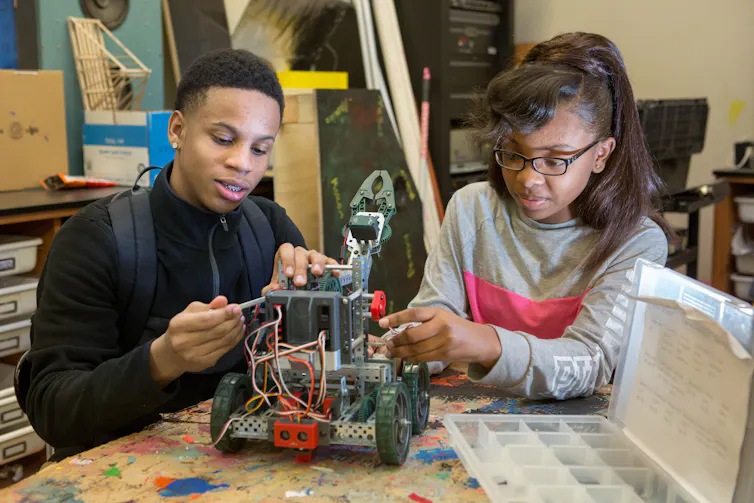
This ethical orientation is perhaps the most vital component of a comprehensive education. By framing AI within the broader context of history and philosophy, schools can empower students to become proactive, skeptical citizens rather than passive consumers of algorithmic content. This model encourages active participation in the democratic oversight of technology, ensuring that students feel equipped to navigate—and shape—the digital future rather than simply yielding to the automated trajectories set by Silicon Valley.
Towards a Unified Pedagogical Future
Ultimately, no single model is sufficient on its own. A robust AI literacy curriculum must synthesize these approaches, blending technical rigor, practical utility, and philosophical inquiry. Education in the age of artificial intelligence is not about choosing between human cognition and machine efficiency, but about teaching students to navigate the spaces in between.
As schools continue to experiment with these frameworks, the goal remains clear: to prepare students to be masters of their tools, rather than subjects of their influence. By cultivating a deep, nuanced understanding of what artificial intelligence is and how it functions, educators can ensure that the next generation remains firmly in the driver’s seat of human progress, capable of leveraging technology to expand—rather than diminish—the scope of human potential.