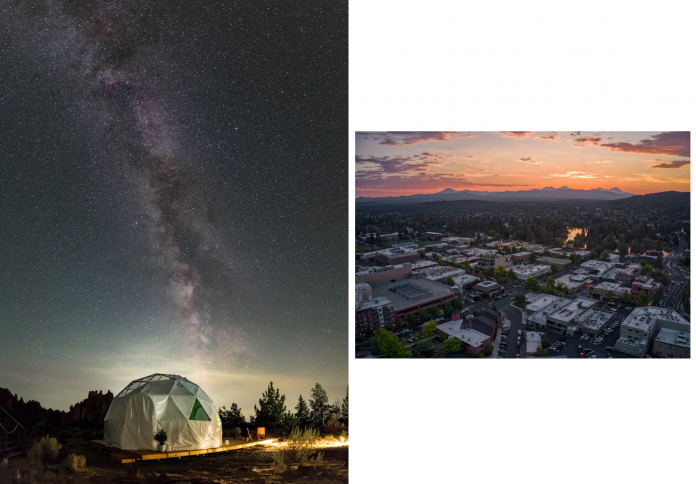
Nestled in southeastern Oregon’s high desert, the Oregon Outback has been officially designated the largest International Dark Sky Sanctuary on Earth. Spanning approximately 2.4 million acres, this landmark recognition underscores a community-led effort to preserve pristine night skies for science, wildlife, and travelers under the Milky Way.
A grand designation rooted in remote landscape
The Oregon Outback region in Lake County was certified as a Dark Sky Sanctuary by DarkSky International in March 2024, covering 2.4 million acres—approximately half the size of New Jersey. When expanded to include Harney and Malheur Counties, the protected area may exceed 11.4 million acres, setting a new global standard for sanctuary scale.
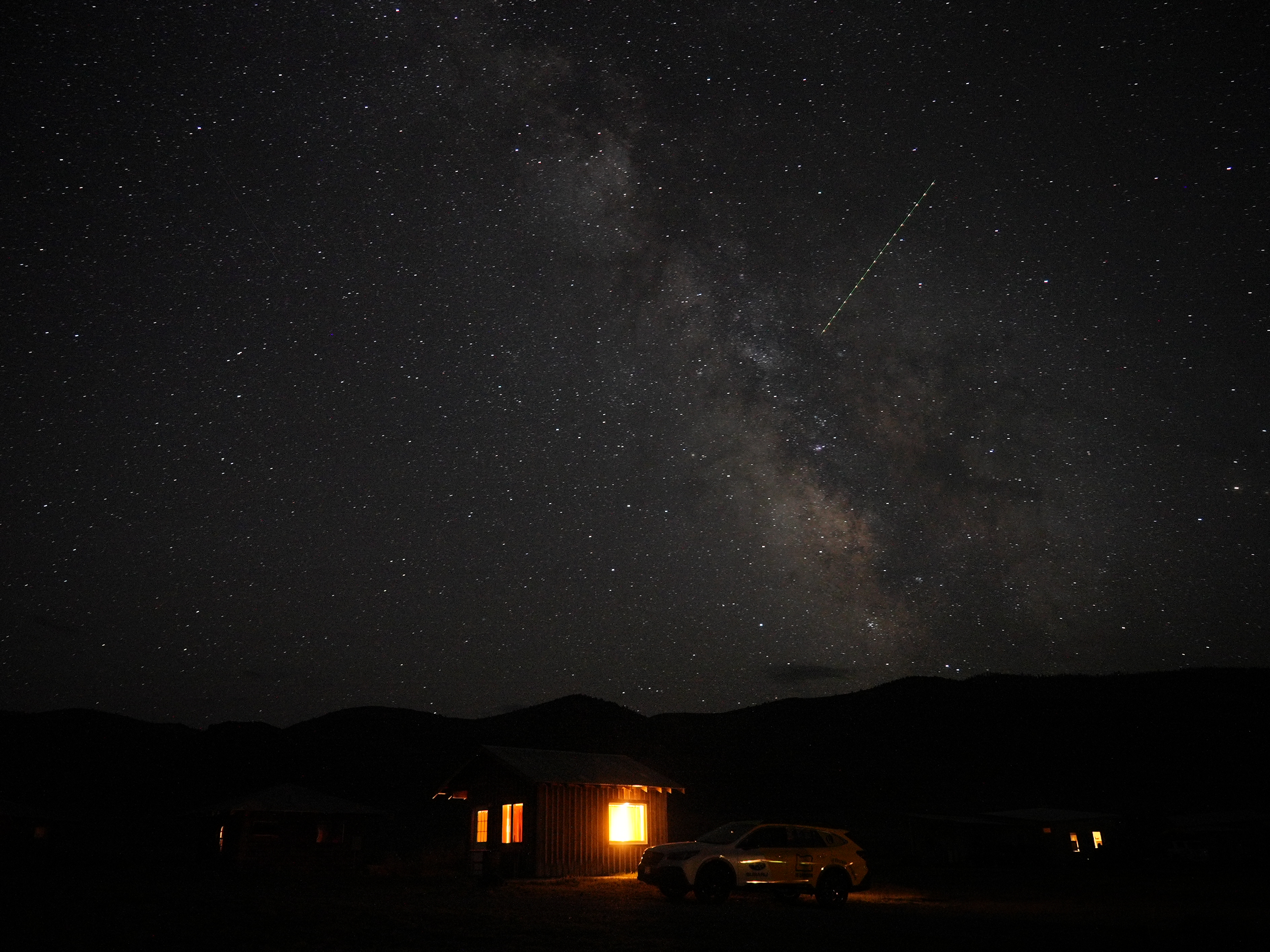
Its geography, characterized by volcanic rock, fault-block mountains, sagebrush plains, and isolated basins, hosts some of the darkest night skies in the continental United States. The lack of urban development and minimal light pollution make it ideal for stargazing and ecological preservation.
Collaboration shaped a sanctuary for dark skies
The designation resulted from years of negotiation through the Oregon Outback Dark Sky Network, which united agencies, tribal representatives, ranchers, tourism groups, and environmental advocates. Stakeholders contributed to a formal lighting management plan, public outreach, and sky-quality monitoring stations—balancing preservation with local land use.
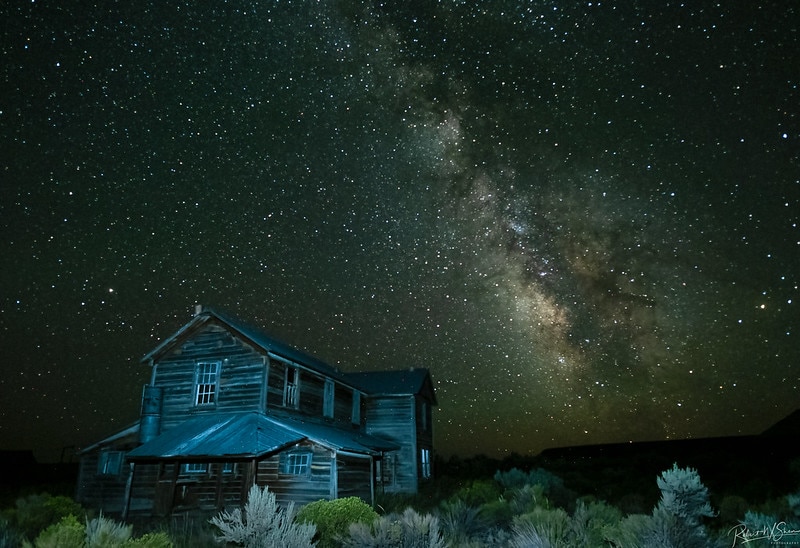
Key figures like environmental consultant Dawn Nilson and Travel Southern Oregon’s Bob Hackett emphasized that the sanctuary would support nighttime tourism while preserving ranching and cultural traditions. Their collaboration reflects a model of regenerative tourism rooted in inclusive planning.
Stargazing experiences across a celestial canvas
Visitors can explore the Outback Scenic Byway and camp near communities like Adel, Plush, or Summer Lake for unobstructed night sky views marked by vivid constellations, meteor streaks, and even occasional auroras. Red-light gatherings and guided parties at sites around features such as Abert Rim and Hart Mountain enrich the experience with astronomy commentary and visual storytelling.
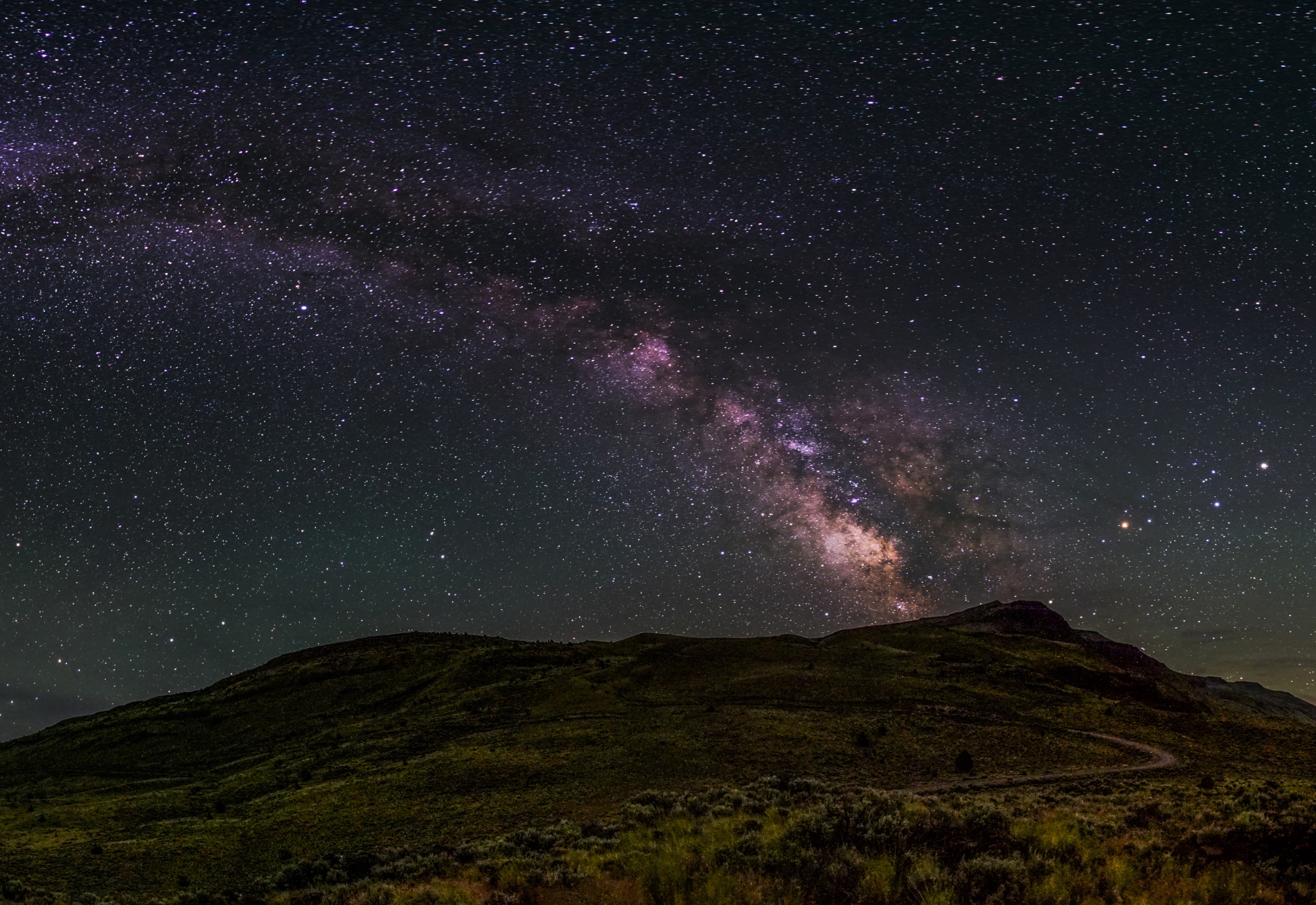
Observers marvel at the night—many describe the sky as “inky black” with visible stars as bright as pinpricks. The area’s altitude, dry climate, and broad horizon contribute to observational clarity. Cell service is limited, reinforcing an off-grid, immersive adventure under the cosmos.
Ecology and culture under the cosmic dome
The sanctuary protects not only the night sky but critical habitat for pronghorn antelope, bighorn sheep, sage grouse, wild horses, and migratory birds along the Pacific Flyway. Native Northern Paiute ancestral sites dating back thousands of years further enrich the area’s cultural significance.
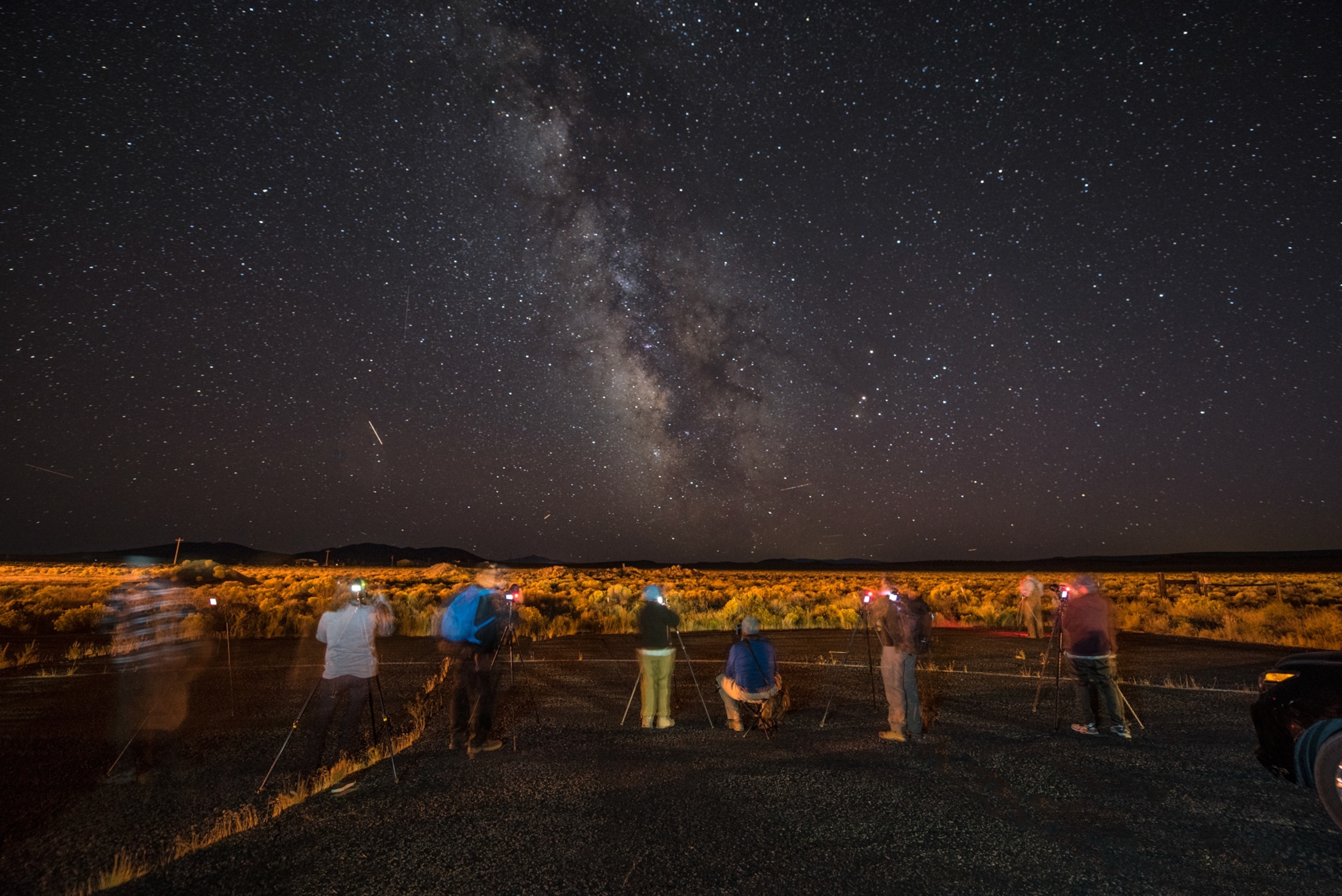
Efforts to curb light pollution serve ecological and public-awareness goals: local lighting ordinances and lighting retrofits on public lands aim to preserve nocturnal ecosystems, minimize disruptions to wildlife, and promote educational tourism grounded in stewardship.
A remote landscape becomes a celestial refuge
The Oregon Outback International Dark Sky Sanctuary stands as a pioneering example of community-led, large-scale dark sky preservation. Its vast wilderness, enduring ecosystems, and collaborative spirit cast a vision for how conservation and tourism can harmonize under the night sky.
For stargazers, environmentalists, and heritage travelers alike, the Outback offers not just astronomy—but a profound experience of place, darkness, and shared responsibility under the stars.