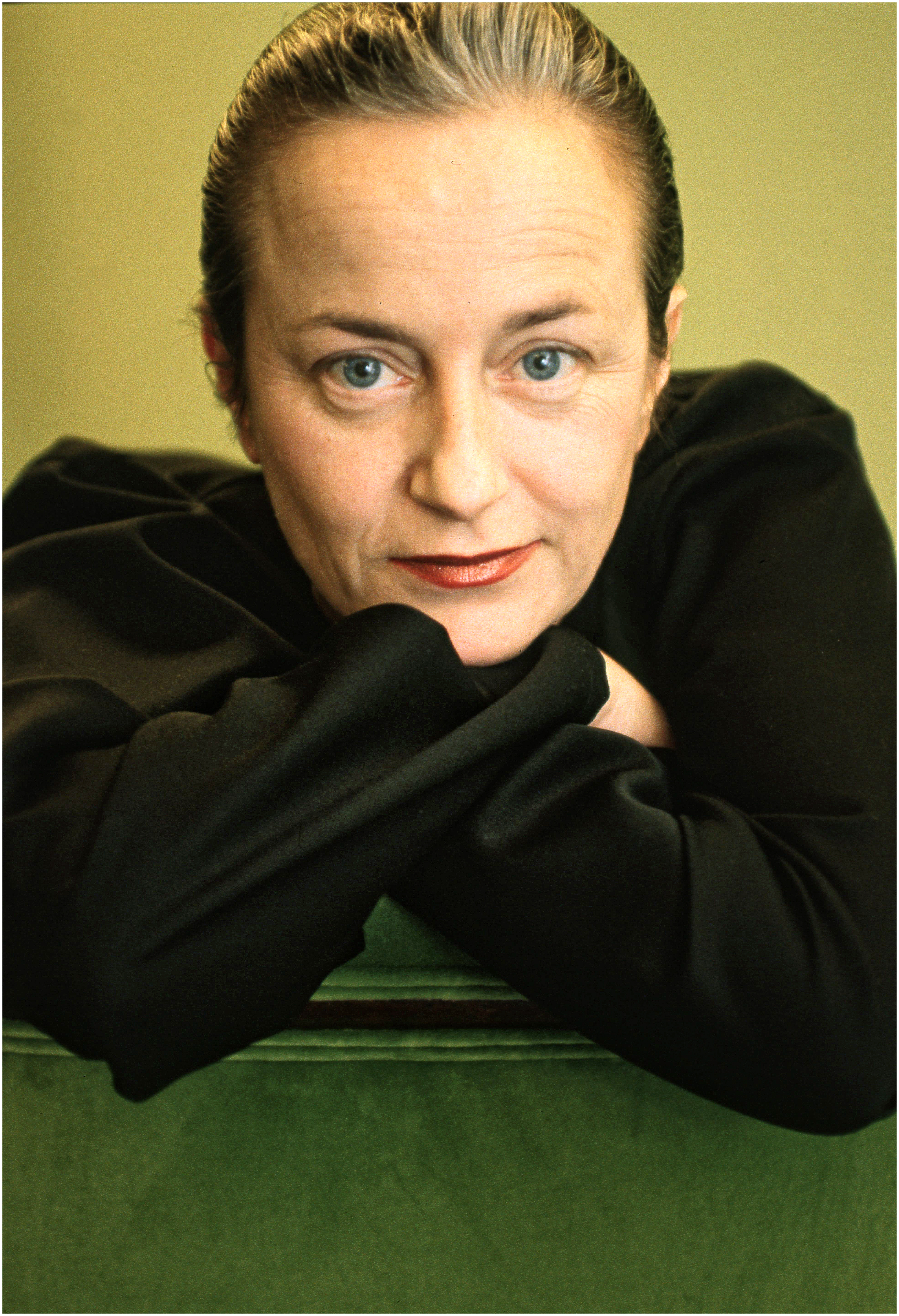
Trend forecaster Li Edelkoort emerged from Milan Design Week 2026 with a sharp criticism: luxury money and spectacle, she argued, were overwhelming the quieter forms of experimentation that once made the city’s design week feel culturally unpredictable. Her complaint was not that fashion houses should be absent from Milan, but that their enormous installations, queues, budgets, and social-media visibility can dominate attention while furniture makers, young designers, and smaller venues struggle for oxygen. The observation arrives at a complicated moment. Luxury investment can fund ambitious craft and bring large audiences into design conversations, yet attention is not distributed evenly simply because more people arrive. Edelkoort’s critique is useful when treated less as nostalgia for a purer past than as a question of cultural infrastructure: when a design week becomes a global content event, who gains visibility, who becomes background, and what kinds of ideas are hardest to encounter?
Milan Has Become Bigger Than Furniture
Milan Design Week has expanded far beyond the furniture industry that gives the Salone del Mobile its economic core. Fashion houses, automotive brands, technology companies, hospitality groups, and lifestyle labels now build installations across the city, often with budgets that smaller design studios cannot approach. The result is an extraordinary cultural week, but also one in which the term “design” stretches across very different commercial agendas.
Li Edelkoort’s criticism focuses on what that expansion does to attention. Luxury brands can create monumental experiences engineered for queues and social sharing, while experimental furniture or graduate work may require deliberate searching. The problem is not necessarily the presence of money. Design has always depended on patrons, manufacturers, and commerce. The problem is what happens when financial power becomes so visually dominant that other forms of cultural value are difficult to see.
Spectacle Is Not Automatically Empty
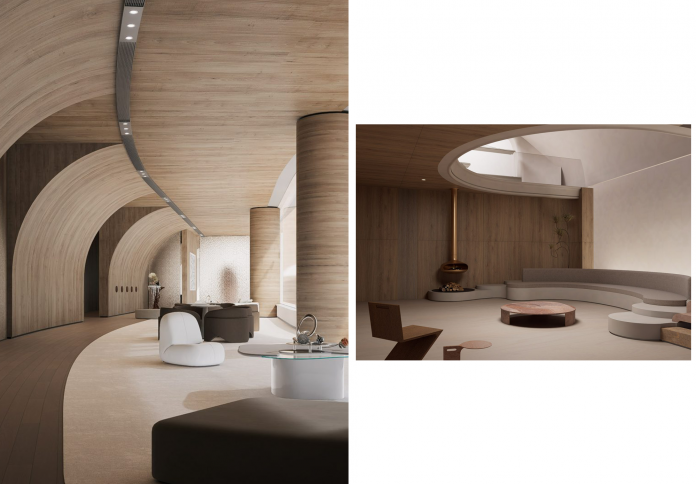
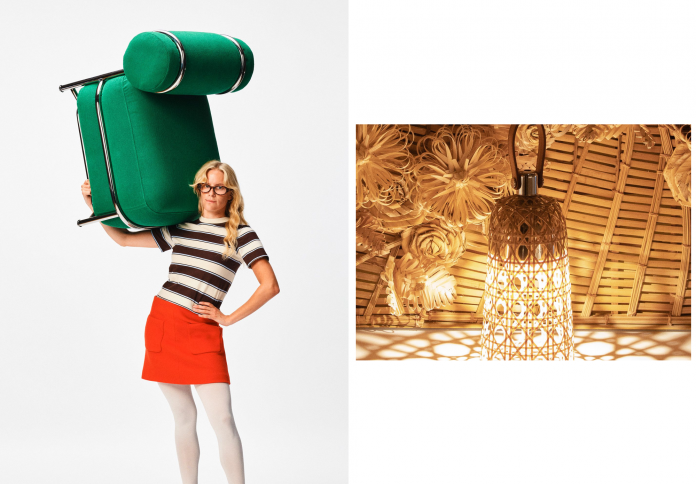
The 2026 week provided obvious examples of fashion-led installations designed for maximum impact, from woven environments and textile displays to carefully staged objects by major luxury houses. Edelkoort read much of this activity as evidence that culture had been contaminated by money. The phrase is deliberately confrontational, but it risks flattening the distinction between corporate scale and creative quality.
Large brands can commission exceptional craft, support artisans, and give designers access to fabrication that would otherwise be impossible. Spectacle can also be meaningful. The more useful criticism is therefore not that expensive installations lack value, but that their visibility can set the terms of the week. A visitor with limited time may experience what has the longest queue or largest online footprint rather than what offers the most challenging idea.
Smaller Venues Carry a Different Kind of Risk
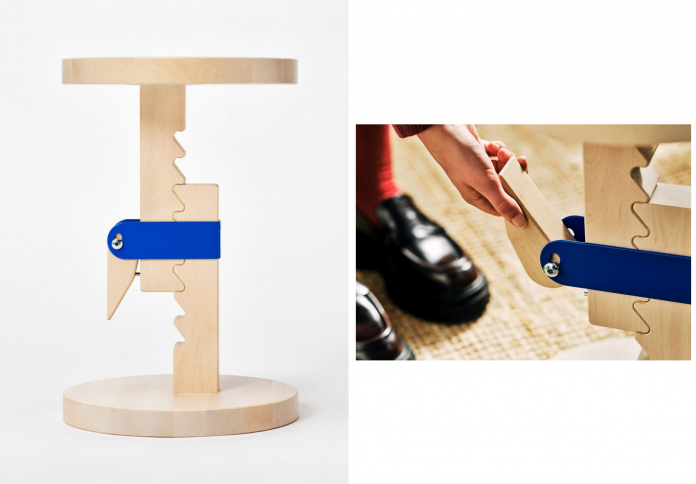
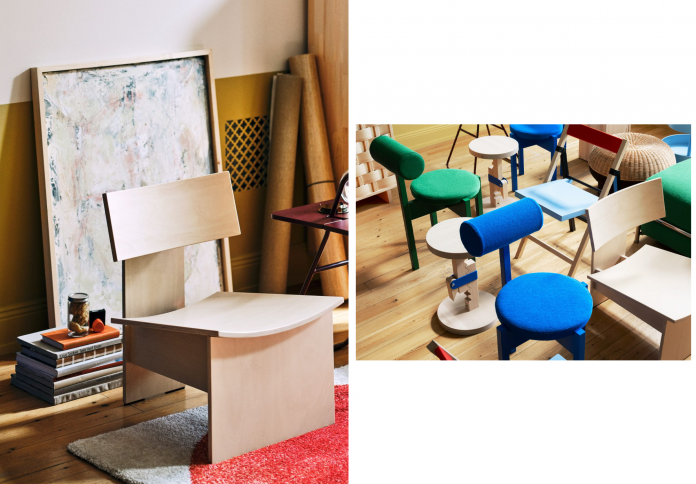
Edelkoort pointed toward venues such as Alcova and Rossana Orlandi as places where independent and experimental work still has room to surprise. These environments often operate with different economics. Designers may present prototypes, speculative materials, one-off objects, or small editions without the guarantee of mass production. The work can be unresolved, which is part of its importance.
Cultural ecosystems need spaces where failure is affordable. A giant brand activation must usually justify its investment through reach, reputation, or sales. An emerging designer can ask stranger questions precisely because the stakes are smaller. If design week loses those lower-budget zones, it may become visually impressive while growing conceptually cautious. Diversity of scale is therefore not only an issue of fairness; it is one of creative resilience.
The Feed Changes What the City Rewards
Social media intensifies the imbalance because large installations are often optimized for immediate images. A room covered in one material, an enormous sculpture, or a celebrity-backed presentation can be understood in a second. A carefully engineered hinge, new composite, or modest chair may need explanation. The algorithms do not forbid subtle work, but they reward visual clarity and emotional speed.
That dynamic can influence what designers make. When the afterlife of an installation is measured in posts, a project may begin to prioritize the camera position before the visitor’s experience. Edelkoort’s frustration is most persuasive when read through that lens. Money matters, but the deeper issue is an attention economy that makes some forms of design structurally easier to circulate than others.
Milan’s Strength Is Still Its Collision of Worlds
The answer is not to return Milan to an imagined era when commerce and culture were separate. Such an era never really existed. The city’s power comes from collision: industrial furniture, galleries, fashion, food, architecture, craft, students, collectors, and tourists all occupy the same week. The challenge is maintaining enough space for different scales of ambition to remain visible.
Edelkoort’s provocation is useful because it makes complacency difficult. If luxury brands are going to occupy increasing territory, the design community can ask what those resources contribute beyond reach. Organizers and media can also choose to direct attention toward work that lacks giant marketing budgets. The health of Milan Design Week should not be measured by how spectacular the biggest installation becomes. It should be measured by whether a visitor can still encounter something small, strange, and genuinely new beside it.
Edelkoort’s Critique Is Really About What Attention Has Become
When Li Edelkoort argues that money has contaminated design culture, the provocation reaches beyond price tags. Large design weeks now operate inside an attention economy where brands compete for queues, photographs, celebrity visits, social reach, and spectacular installations. The danger is not simply that commercial companies participate; design has always depended on commerce. The danger is that visibility can become the primary measure of value.
That pressure changes what gets made. Projects may be optimized for a front-facing photograph, a dramatic reveal, or a temporary social-media moment rather than for years of use. Independent studios can feel compelled to mimic the scale of corporate spectacle, while craft and research are squeezed into narratives short enough to circulate instantly. Edelkoort’s argument is useful because it asks audiences to distinguish abundance from richness. Milan can contain more launches, more events, and more branded environments than ever while leaving less room to absorb any one of them. The corrective is not a smaller culture by default. It is a slower standard of judgment—one that gives durability, originality, and material intelligence time to become visible after the opening-night crowd has moved on.