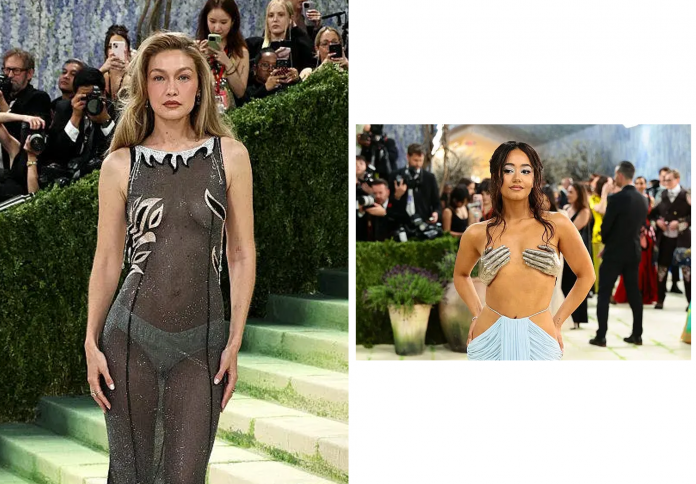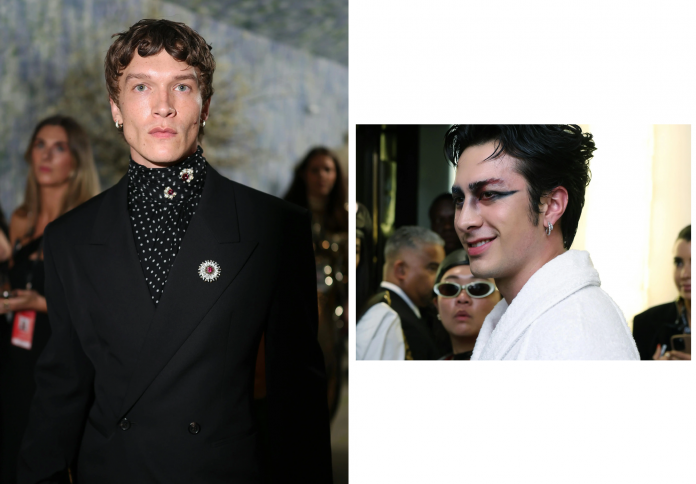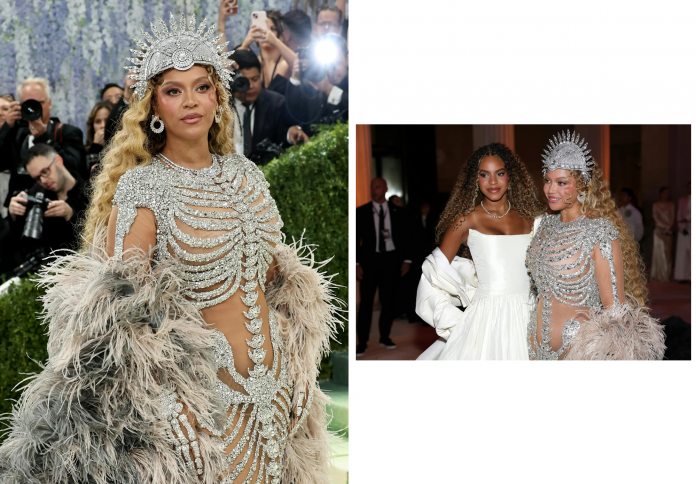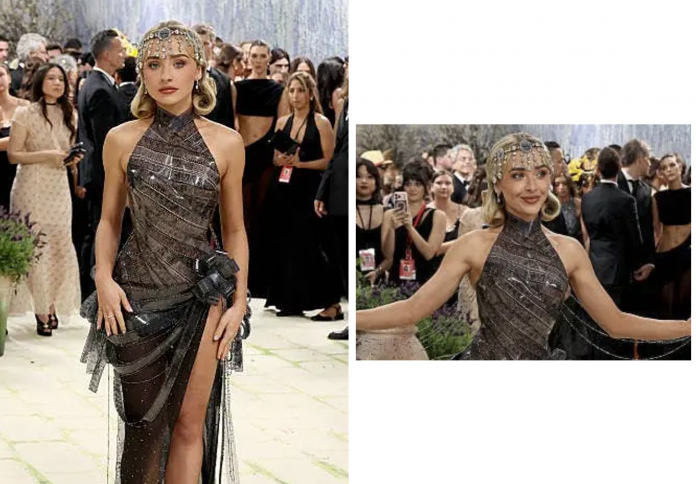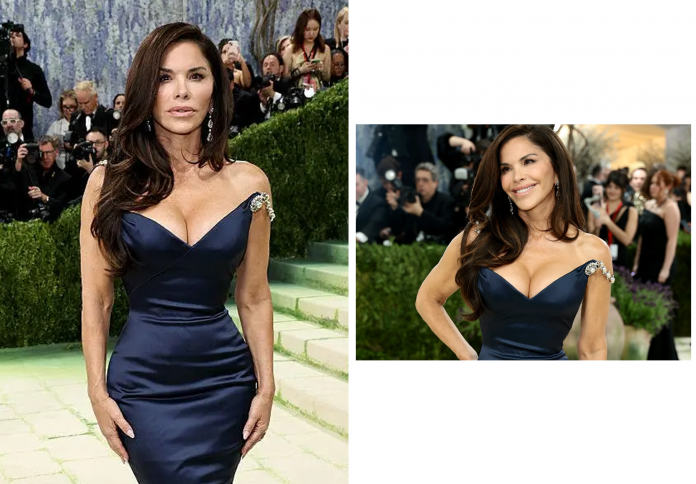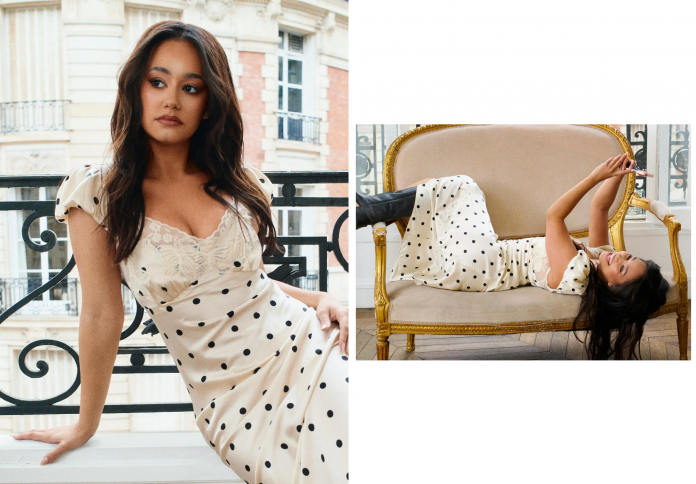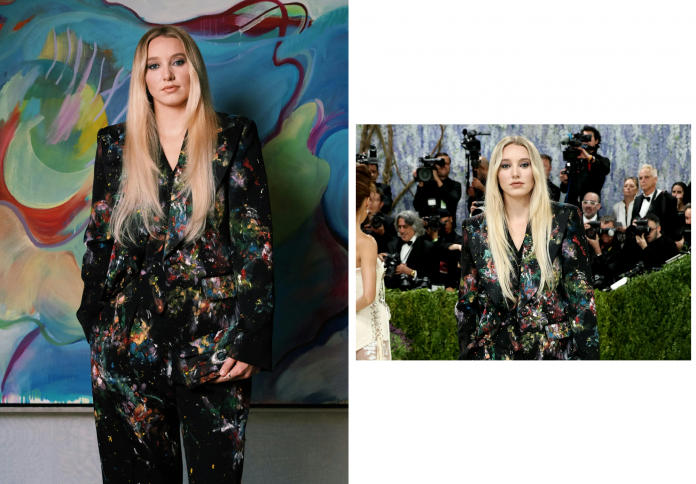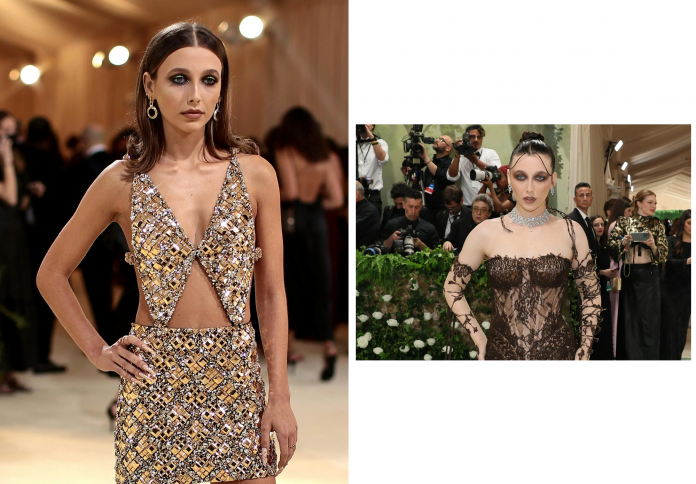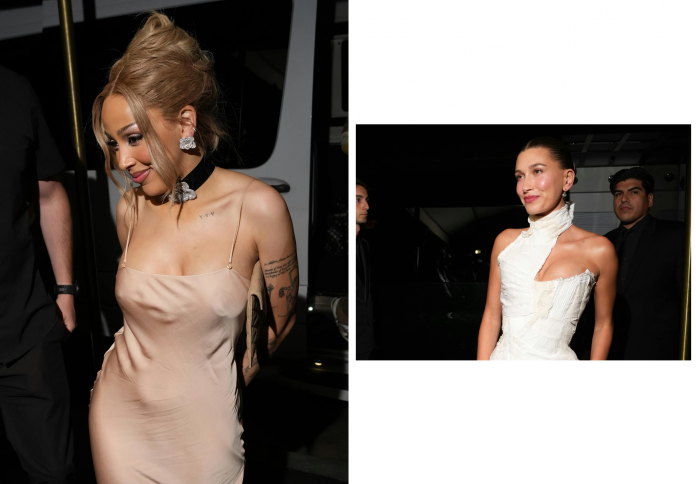
The 2026 Met Gala may have ended at the museum, but its fashion narrative continued across Manhattan in a second wave of parties. Saint Laurent gathered guests including Doja Cat, Hailey Bieber, Olivia Rodrigo, Zoë Kravitz, and Connor Storrie, while Venus and Serena Williams hosted and attended celebrations that carried the night into the early morning. Zero Bond, BOOM, The Mark, and other venues became stages for outfit changes that were usually shorter, lighter, easier to move in, and more revealing of personal taste than the formal red-carpet looks. This is why Met Gala after-party fashion deserves attention beyond celebrity spectacle. The museum stairs demand a thesis. The party asks whether that thesis can survive dancing, conversation, fatigue, and a crowded room. Clothing becomes less sculptural and more social, and stars often look most like themselves once the official photographs are over.
The Second Look Solves a Different Problem
Met Gala dressing is built around arrival. A gown may need to survive only a short journey up the museum steps before the wearer changes or removes part of it. Trains, heavy embellishment, extreme corsetry, and delicate construction can all make sense when the photograph is the primary event. After-parties impose a different brief: the clothes have to move.
That practical shift produces some of the night’s most revealing style decisions. Hailey Bieber moved into a white mini dress; Olivia Rodrigo wore a fringed teal mini at Saint Laurent’s party; Sabrina Carpenter continued the evening in a sparkling black-and-white bodysuit with a fur-trimmed coat. The silhouettes became shorter and more direct, but not necessarily less considered. The context changed, so the design priorities changed with it.

Saint Laurent Built a Nocturnal Uniform
At the Saint Laurent gathering, guests including Doja Cat, Zoë Kravitz, Adwoa Aboah, and Connor Storrie helped create the house’s familiar late-night vocabulary: black, sharp tailoring, transparent layers, lean silhouettes, and an attitude that feels less ceremonial than the museum. Creative director Anthony Vaccarello has made nightlife one of Saint Laurent’s most consistent cultural settings, so the after-party is almost a natural extension of the runway.
Doja Cat carried the color intensity of her earlier Saint Laurent look into the party, while other guests shifted toward darker or more minimal clothes. The effect was not about everyone matching. It was about sharing a tonal world. A strong brand party creates an atmosphere in which individual outfits can differ while still looking as though they belong to the same night.
The Williams Sisters Made Sport Part of the Party Story
Venus Williams, one of the gala’s co-chairs, continued celebrating with a separate gathering that extended into the early morning. She changed from her Met look into a custom black bubble dress by anOnlyChild, adding a leather jacket and crystal-trimmed accessories. Serena Williams arrived later in a ruched gray dress and black blazer, and the sisters were photographed dancing among a guest list that mixed athletes, musicians, designers, and models.
Their presence reflects how thoroughly sports culture now belongs inside fashion’s elite social calendar. The crossover is not limited to athletes wearing designer gowns. Sport brings its own celebrity networks, styling traditions, bodies, and fan communities into the room. The Met Gala’s 2026 co-chair lineup made that intersection explicit, and the after-parties showed it continuing after the official program ended.
Outfit Changes Reveal the Hierarchy of Comfort
A second look often exposes what a star actually wants to wear when the obligation to produce one monumental image has passed. Jeans appeared. Jackets were thrown over dresses. Shoes became lower or more stable. At one point late in the Williams party, even the practical act of changing footwear became part of the evening’s story.
This does not mean comfort replaces glamour. It means glamour becomes mobile. Fashion at 2 a.m. has to account for sitting, dancing, walking between venues, and enduring crowds. The most successful after-party outfits understand that physical reality. They preserve enough visual impact for the cameras while allowing the wearer to participate in the event rather than simply pose inside it.
Fashion Is Social After Midnight
The official gala frames fashion as museum spectacle, but the after-party restores one of clothing’s oldest functions: helping people move through social space. A dress signals mood, affiliation, confidence, flirtation, formality, or rebellion differently in a crowded club than it does on a carpet. The same person can use two outfits in one night to communicate two versions of herself.
That is why the after-party circuit feels like more than an appendix. It completes the experiment. “Fashion Is Art” was the gala’s dress code, but fashion is also behavior, hospitality, nightlife, and the practical question of what a body can do in a garment. Once the museum lights dim, the clothes stop performing only for the camera. They enter the messier, more revealing test of being lived in.
The Party Look Reveals What the Carpet Has Been Holding Back
Met Gala after-parties are often described as opportunities for a second outfit, but the change is more revealing than simple wardrobe abundance. The official carpet requires concept, posture, and patience. A party requires movement, proximity, and hours of social endurance. When celebrities switch from monumental couture into shorter, looser, or more physically manageable clothes, they reveal a different hierarchy of needs.
That shift does not make the second look less strategic. Party photographs circulate heavily, and a well-timed outfit change can generate a separate media cycle. Yet the best after-party dressing acknowledges that a body will now have to dance, sit, navigate crowded rooms, and perhaps move between several venues. The fashion becomes less architectural and more behavioral. This is why the late-night images can feel more contemporary than the formal arrivals: they show glamour under use. A jacket comes off, a heel is swapped, a hem moves, hair changes. The spectacle becomes less controlled and therefore more socially legible. Fashion’s art object returns to being clothing, and the person wearing it begins to look like someone spending a night rather than completing a presentation.