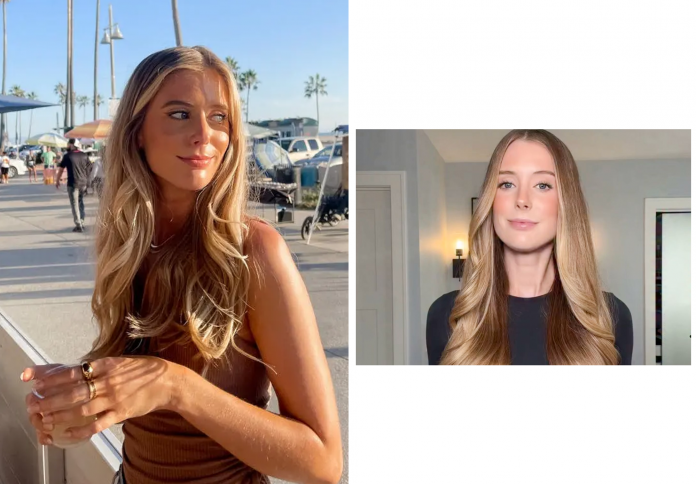
At first glance, the viral Abbey Yung hair method looks like a story about newness; in practice, it says more about how internet routines become more useful when they are treated as modular systems. The Abbey Yung Method spread widely through TikTok and other social platforms as a multi-step framework for hair and scalp care. Yung has described the approach as flexible rather than as an instruction to complete every step on every wash day. Its appeal comes from organizing hair care into decisions—repair, cleansing, conditioning, protection, and between-wash care—rather than insisting that every person perform every step. Rather than treating the moment as a checklist of products, names, or announcements, the more useful approach is to ask what changes for the people who actually use, watch, enter, or live with it. Trend cycles move quickly in beauty, but the strongest ideas
Why This Moment Landed
The Abbey Yung Method spread widely through TikTok and other social platforms as a multi-step framework for hair and scalp care. Yung has described the approach as flexible rather than as an instruction to complete every step on every wash day. What looks like an eleven-step routine in a short clip becomes much less rigid when each step is understood as a category with an optional role. The important point is not simply that these details exist, but that together they define the conditions of the story: who is making the decision, what has changed, and why the moment now feels different from an ordinary product release, workplace adjustment, episode recap, or interior refresh.
Trend cycles move quickly in beauty, but the strongest ideas usually have a practical core. A color story may begin on social media and a hair technique may spread through tutorials, yet repeat use depends on whether the idea fits real mornings, real budgets, and real skin or hair needs. In this case, that context sharpens the difference between a modular framework and routine maximalism. It also keeps the article from mistaking visibility for significance; the most photographed or repeated detail may open the story, but it is the relationship among the details that gives the subject its editorial weight.
The Practical Side of the Look
Common elements include pre-shampoo bond repair, pre-shampoo oiling, clarifying or regular shampoo, and targeted medicated cleansing when appropriate. Post-shampoo steps can include bond repair, conditioner, gloss, or a mask depending on the hair's needs. Those facts create a more useful frame than hype alone. They show how the subject works at the level of format, process, casting, policy, material, or service rather than leaving it as an abstract trend. A framework lets someone remove steps that do not solve a problem and compare results without changing everything at once.
Beauty editorial works best when it separates aesthetic excitement from certainty. A new shade or ritual can be fun without becoming a universal rule, and a product can be interesting without being necessary for everyone. That makes comparison important. The relevant question is not whether every consumer, institution, viewer, or visitor should respond in the same way, but which conditions make the idea work and which conditions expose its limits.
Choice Over Prescription
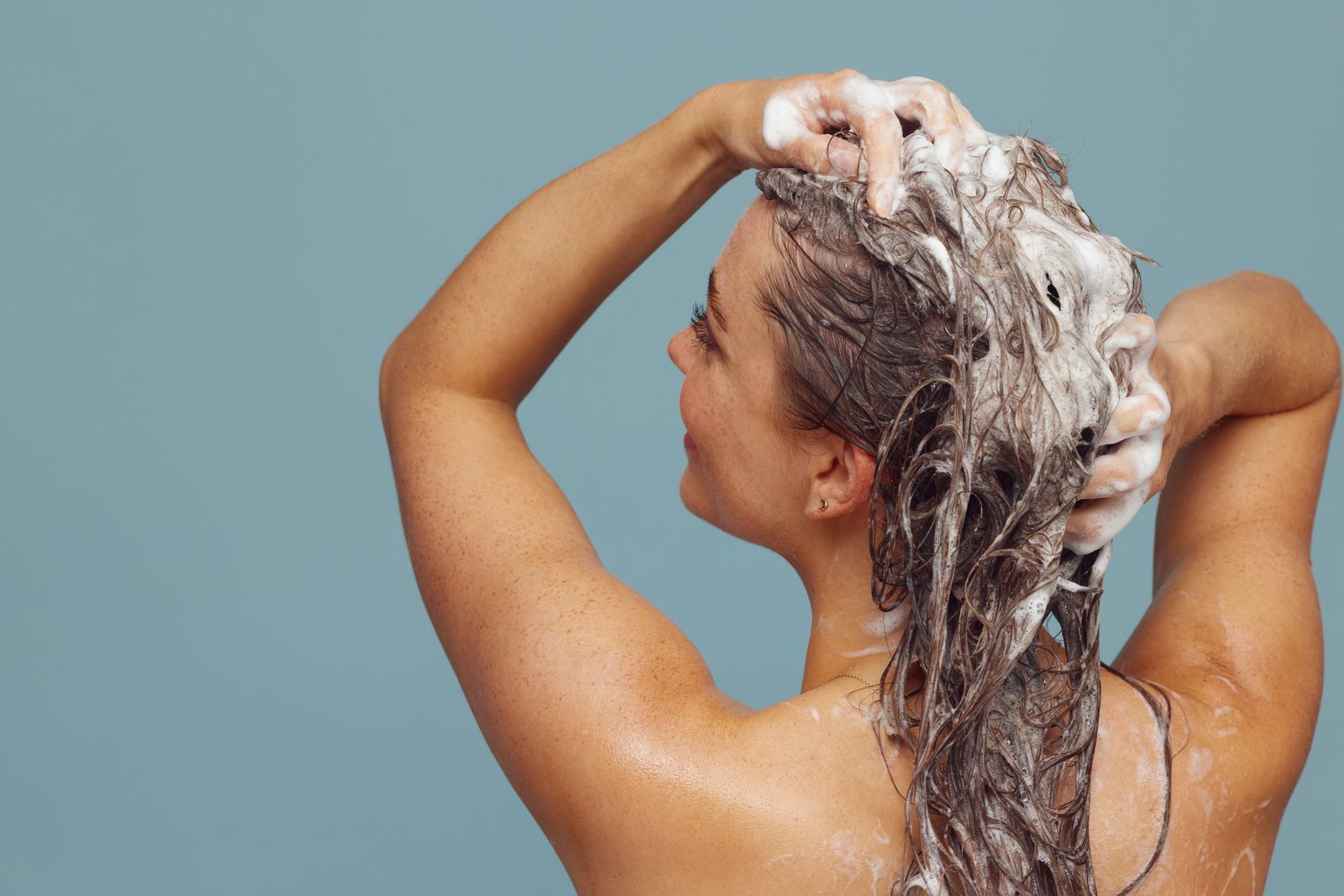
The framework also emphasizes protection and styling choices after washing rather than treating shampoo and conditioner as the entire routine. Between-wash care is part of the system, which helps explain why followers adapt the method to different schedules. This is where the story moves from announcement to experience. The subject is interpreted through repeated choices: what gets emphasized, what becomes optional, what is standardized, and what remains dependent on individual judgment. The method is easiest to evaluate when users track how their own hair responds to cleansing strength, conditioning weight, heat, and manipulation over time.
This is also where taste enters the story. The same product can read as polished, playful, excessive, or quietly useful depending on how it is worn, how often it is used, and what else is already in the routine. For the viral Abbey Yung hair method, the tension is particularly visible in social media's tendency to convert flexible guidance into a mandatory shopping list. That tension is productive when it leads to better choices and clearer expectations rather than simply producing another layer of marketing language or speculation.
Reading the Fine Print
Hair type, scalp condition, chemical processing, heat styling, and washing frequency can all change which steps make sense. Yung's own explanations encourage people to introduce changes gradually rather than layering every technique at once. Those details also define the boundary of what can responsibly be claimed. Scalp disease, significant shedding, and persistent irritation are not problems that a viral routine should be expected to diagnose or treat. An editorial reading can still be enthusiastic, skeptical, or aesthetically engaged without turning uncertainty into certainty.
That distinction is especially important when marketing language drifts toward treatment language. Cosmetics can change appearance and support a routine, but individual results vary, and persistent skin or scalp concerns belong in a more careful conversation with qualified professionals. The point is not to remove pleasure from the story. It is to make the pleasure more durable by separating what has been demonstrated from what is merely possible, and by recognizing that users and audiences bring different needs, tastes, and tolerances to the same idea.

A More Useful Kind of Newness
The method's popularity reflects a broader shift toward educational beauty content that explains sequence and purpose, not only product names. The method's longer-term influence may be the language it gives people for understanding sequence and product function. Seen this way, the subject is not a finished verdict but a snapshot of a system in motion. Products will be reformulated, software will be updated, series will continue, stores will age, and cultural labels will change; the useful editorial task is to identify which underlying choices are likely to remain meaningful when that happens.
The best way to read the trend is as an invitation rather than a command. Beauty is most persuasive when it expands the range of choices instead of pretending there is only one correct way to look. Its best lesson is not to do more, but to know why a step is there before deciding whether it belongs. The strongest takeaway is therefore not a command to buy, believe, visit, or predict. It is a clearer understanding of why this moment matters now and what evidence will matter next.