The spring 2026 beauty launch cycle is less interesting as a standalone headline than as a window onto how luxury beauty is trying to make novelty feel useful again. The April 2026 beauty calendar brought new skincare, makeup, and fragrance launches from established luxury houses alongside newer celebrity-founded brands. The month included limited-edition Dior beauty releases and the debut of Alix Earle's Reale Actives skincare line. The season is strongest when innovation is translated into texture, ritual, and a reason to return to the product after the first week. Rather than treating the moment as a checklist of products, names, or announcements, the more useful approach is to ask what changes for the people who actually use, watch, enter, or live with it. Beauty is a category where novelty can easily outrun usefulness. The most convincing launches tend to succeed when the
The Idea Behind the Launch
The April 2026 beauty calendar brought new skincare, makeup, and fragrance launches from established luxury houses alongside newer celebrity-founded brands. The month included limited-edition Dior beauty releases and the debut of Alix Earle's Reale Actives skincare line. The result is a market in which a launch can be culturally visible before many shoppers have had a chance to test it. The important point is not simply that these details exist, but that together they define the conditions of the story: who is making the decision, what has changed, and why the moment now feels different from an ordinary product release, workplace adjustment, episode recap, or interior refresh.
Beauty is a category where novelty can easily outrun usefulness. The most convincing launches tend to succeed when the format, finish, or ritual solves a recognizable problem rather than simply adding another object to an already crowded shelf. In this case, that context sharpens the difference between luxury storytelling and practical product value. It also keeps the article from mistaking visibility for significance; the most photographed or repeated detail may open the story, but it is the relationship among the details that gives the subject its editorial weight.
Where Formula Meets Routine
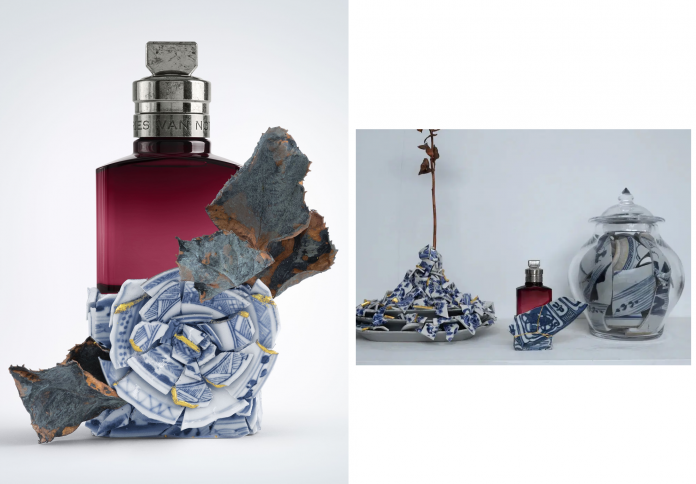
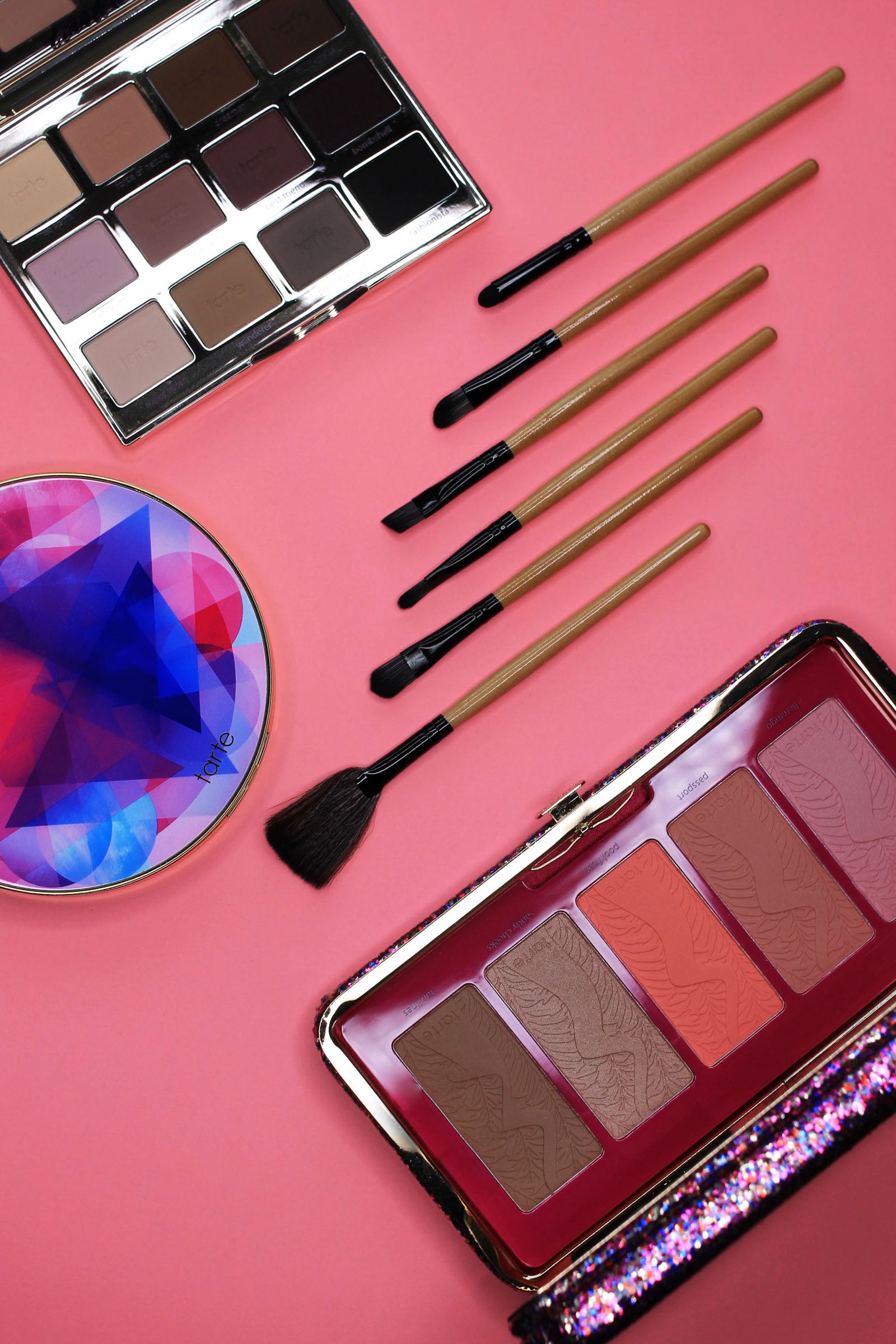
The launch environment spanned prestige color cosmetics, fragrance, skincare, and hair care rather than centering on one dominant category. Spring positioning repeatedly linked newness to lighter textures, refreshed color stories, and routine resets. Those facts create a more useful frame than hype alone. They show how the subject works at the level of format, process, casting, policy, material, or service rather than leaving it as an abstract trend. Packaging, formula, application, and the number of steps required all become part of the proposition, not secondary details.
The modern beauty shelf is less a collection of isolated products than a network of routines. Texture, compatibility, portability, refillability, and ease of use now shape buying decisions as much as the promise printed on a carton. That makes comparison important. The relevant question is not whether every consumer, institution, viewer, or visitor should respond in the same way, but which conditions make the idea work and which conditions expose its limits.
How the Trend Travels
Luxury names such as Pat McGrath, Guerlain, Tom Ford, Dior, and Prada remained part of the season's competitive field. Reale Actives entered the market with a compact four-product routine aimed at acne-prone skin. This is where the story moves from announcement to experience. The subject is interpreted through repeated choices: what gets emphasized, what becomes optional, what is standardized, and what remains dependent on individual judgment. Consumers encounter many of these products first through short-form demonstrations, swatches, and launch imagery, then decide whether the item fits a routine they already have.
That distinction is especially important when marketing language drifts toward treatment language. Cosmetics can change appearance and support a routine, but individual results vary, and persistent skin or scalp concerns belong in a more careful conversation with qualified professionals. For the spring 2026 beauty launch cycle, the tension is particularly visible in the desire for seasonal novelty and the reality of already-crowded beauty shelves. That tension is productive when it leads to better choices and clearer expectations rather than simply producing another layer of marketing language or speculation.
The Limits of the Promise
The crowded calendar made format and usability as important as brand recognition. Limited editions created urgency, while permanent launches had to argue for a longer place in consumers' routines. Those details also define the boundary of what can responsibly be claimed. No single launch can be treated as universally necessary, and skincare-related benefits should be kept proportional to what cosmetics can reasonably claim. An editorial reading can still be enthusiastic, skeptical, or aesthetically engaged without turning uncertainty into certainty.
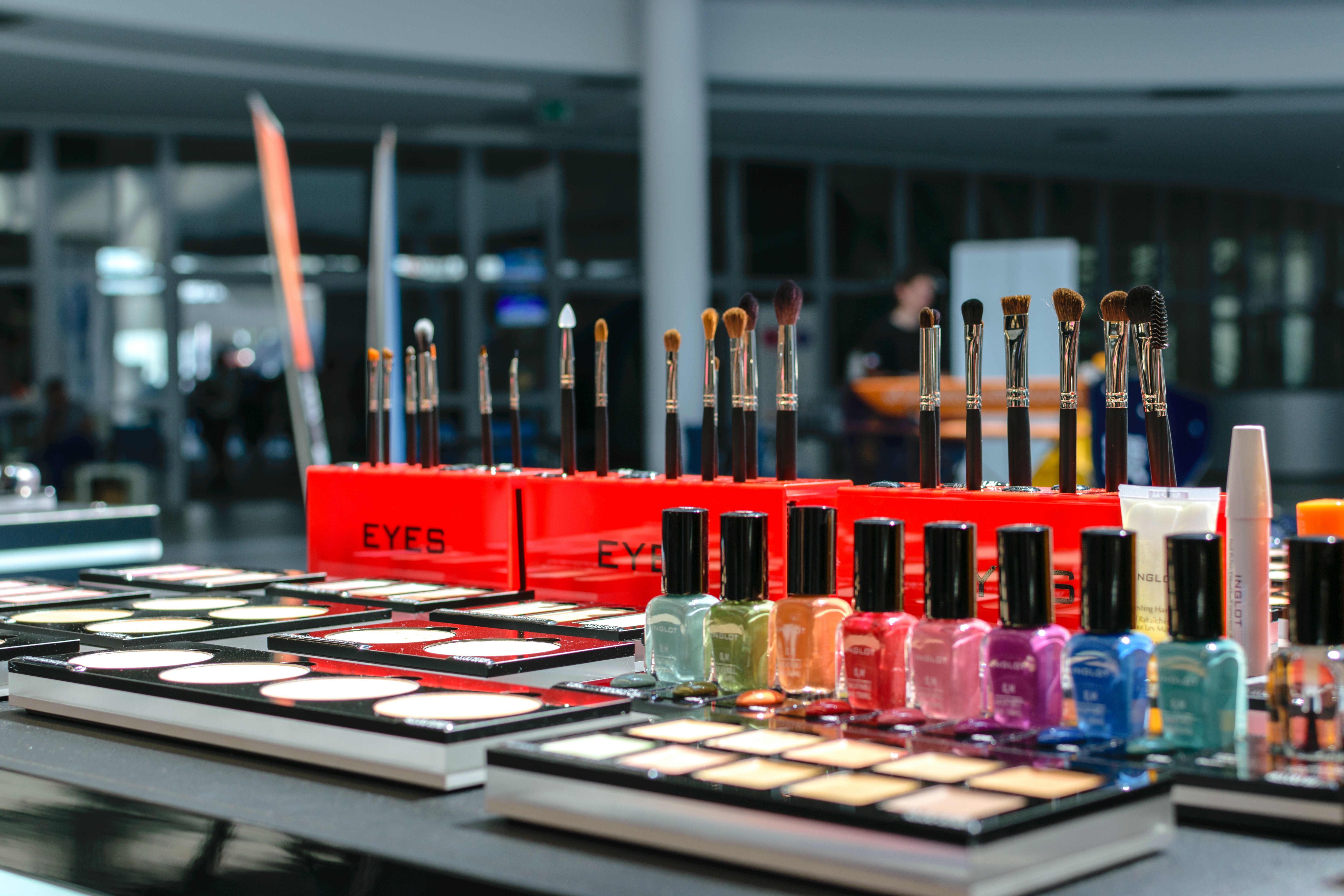
The question, then, is not whether the trend is objectively good or bad. It is whether the idea gives consumers a clearer way to choose: a shade that works with undertone, a format that makes application easier, or a routine that can be adjusted without becoming an obligation. The point is not to remove pleasure from the story. It is to make the pleasure more durable by separating what has been demonstrated from what is merely possible, and by recognizing that users and audiences bring different needs, tastes, and tolerances to the same idea.
What Deserves to Last
The season arrived at a moment when shoppers can compare prestige launches almost instantly across social platforms and retailer pages. The most durable launches will be those that remain legible after spring's release calendar gives way to summer. Seen this way, the subject is not a finished verdict but a snapshot of a system in motion. Products will be reformulated, software will be updated, series will continue, stores will age, and cultural labels will change; the useful editorial task is to identify which underlying choices are likely to remain meaningful when that happens.
The lasting value of the moment will be measured after the launch cycle moves on. If the idea still makes sense when the campaign imagery disappears, it has probably earned a place beyond trend status. Useful luxury is not the absence of fantasy; it is fantasy supported by a product people can imagine finishing. The strongest takeaway is therefore not a command to buy, believe, visit, or predict. It is a clearer understanding of why this moment matters now and what evidence will matter next.