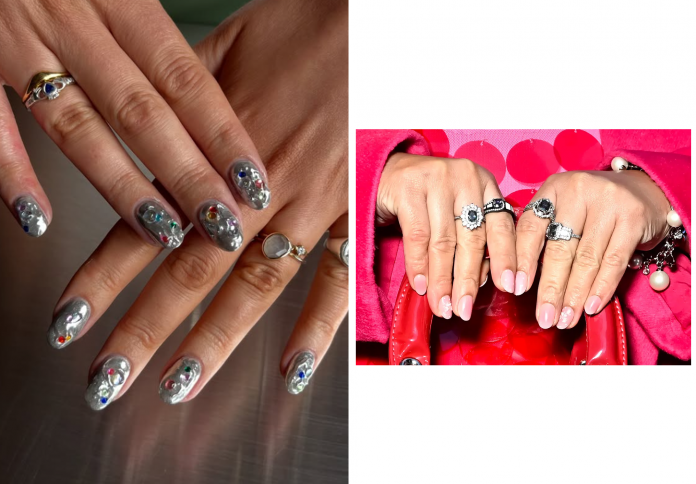
The story around gemstone-inspired spring 2026 nail art becomes more revealing when viewed through how three-dimensional embellishment is bringing jewelry logic back to the manicure. Gemstone-inspired manicures became a visible spring and summer 2026 nail direction, combining color with reflective and three-dimensional details. Confetti-like elements, crystal effects, and jewel-toned accents helped create the impression of precious stones without requiring one fixed palette. The look works because it treats the nail as a surface for light, color, and small-scale composition rather than merely as a place for polish. Rather than treating the moment as a checklist of products, names, or announcements, the more useful approach is to ask what changes for the people who actually use, watch, enter, or live with it. Beauty is a category where novelty can easily outrun usefulness. The most convincing launches tend to succeed when the format, finish,
A New Beauty Vocabulary
Gemstone-inspired manicures became a visible spring and summer 2026 nail direction, combining color with reflective and three-dimensional details. Confetti-like elements, crystal effects, and jewel-toned accents helped create the impression of precious stones without requiring one fixed palette. The scale is part of the charm: a few millimeters of surface can carry a surprising amount of texture without turning the entire beauty look into costume. The important point is not simply that these details exist, but that together they define the conditions of the story: who is making the decision, what has changed, and why the moment now feels different from an ordinary product release, workplace adjustment, episode recap, or interior refresh.
Beauty is a category where novelty can easily outrun usefulness. The most convincing launches tend to succeed when the format, finish, or ritual solves a recognizable problem rather than simply adding another object to an already crowded shelf. In this case, that context sharpens how maximal detail can remain wearable when composition and proportion are controlled. It also keeps the article from mistaking visibility for significance; the most photographed or repeated detail may open the story, but it is the relationship among the details that gives the subject its editorial weight.
Texture, Tone, and Technique
The look can range from a single embellished nail to densely decorated sets with multiple textures. Three-dimensional components change the manicure's relationship with light, making movement part of the visual effect. Those facts create a more useful frame than hype alone. They show how the subject works at the level of format, process, casting, policy, material, or service rather than leaving it as an abstract trend. The trend can be adapted by changing density and relief rather than abandoning the idea altogether.
The modern beauty shelf is less a collection of isolated products than a network of routines. Texture, compatibility, portability, refillability, and ease of use now shape buying decisions as much as the promise printed on a carton. That makes comparison important. The relevant question is not whether every consumer, institution, viewer, or visitor should respond in the same way, but which conditions make the idea work and which conditions expose its limits.
From Feed to Bathroom Shelf
Translucent bases can make embellishments appear suspended, while opaque color creates a stronger graphic background. The trend sits alongside a broader return of playful, maximal nail art after periods dominated by sheer neutrals and minimalist finishes. This is where the story moves from announcement to experience. The subject is interpreted through repeated choices: what gets emphasized, what becomes optional, what is standardized, and what remains dependent on individual judgment. A restrained version may use one reflective accent, while a more theatrical set can treat every nail as a separate setting.
The question, then, is not whether the trend is objectively good or bad. It is whether the idea gives consumers a clearer way to choose: a shade that works with undertone, a format that makes application easier, or a routine that can be adjusted without becoming an obligation. For gemstone-inspired spring 2026 nail art, the tension is particularly visible in the tension between sculptural impact and the practical demands of daily hand use. That tension is productive when it leads to better choices and clearer expectations rather than simply producing another layer of marketing language or speculation.
Keeping Claims in Proportion
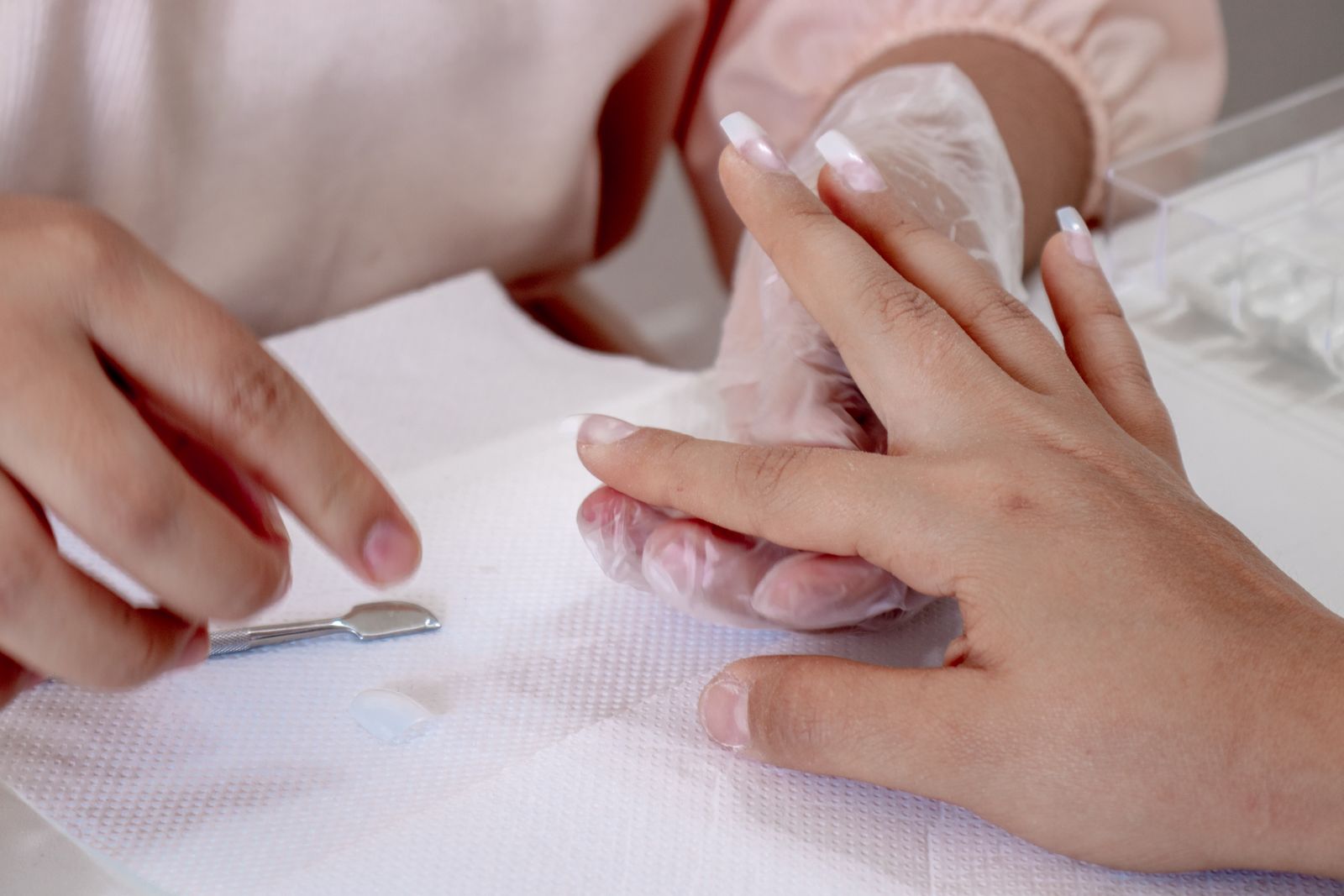
Practical wear differs from a flat manicure because raised elements can catch on clothing or require more careful maintenance. Professional application can help secure larger embellishments, while simpler versions can be recreated through shimmer, foil, or layered polish. Those details also define the boundary of what can responsibly be claimed. Raised nail art is an aesthetic choice, not a durability guarantee, and wear time will depend on application, materials, and daily activity. An editorial reading can still be enthusiastic, skeptical, or aesthetically engaged without turning uncertainty into certainty.
This is also where taste enters the story. The same product can read as polished, playful, excessive, or quietly useful depending on how it is worn, how often it is used, and what else is already in the routine. The point is not to remove pleasure from the story. It is to make the pleasure more durable by separating what has been demonstrated from what is merely possible, and by recognizing that users and audiences bring different needs, tastes, and tolerances to the same idea.
Beyond the Launch Cycle
The visual language borrows directly from jewelry: sparkle, setting, clustering, contrast, and the idea of a small object designed to catch attention. As the trend matures, flatter optical effects may coexist with true three-dimensional embellishment to make the jewelry look easier to wear. Seen this way, the subject is not a finished verdict but a snapshot of a system in motion. Products will be reformulated, software will be updated, series will continue, stores will age, and cultural labels will change; the useful editorial task is to identify which underlying choices are likely to remain meaningful when that happens.
What remains after the initial excitement is a more useful question: does this make the routine easier, more expressive, or more considered? That is a sturdier standard than novelty alone. The best gemstone manicure does not simply pile on sparkle; it gives light a structure to move through. The strongest takeaway is therefore not a command to buy, believe, visit, or predict. It is a clearer understanding of why this moment matters now and what evidence will matter next.