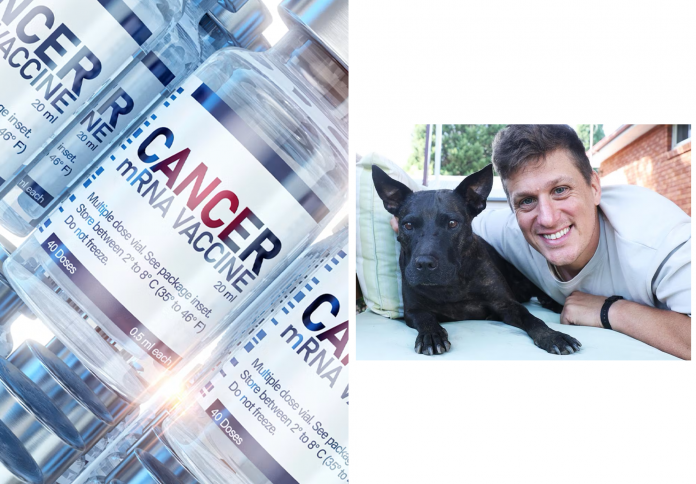
In early 2026, a compelling narrative emerged from Australia that bridged the worlds of personal devotion and high-end biotechnology. Paul Conyngham, a Sydney-based technology consultant, utilized artificial intelligence—including tools like ChatGPT and AlphaFold—to navigate the complex process of designing a personalized mRNA cancer vaccine for his rescue dog, Rosie. After conventional treatments for her mast cell cancer failed and vets offered a grim prognosis, Conyngham leveraged his background in data science to sequence Rosie’s tumor DNA and identify specific mutations. Working in collaboration with researchers at the University of New South Wales (UNSW), the team translated these computational insights into an experimental vaccine. Rosie’s subsequent improvement has sparked global interest, prompting both excitement about the future of personalized medicine and significant warnings from the medical community.
The Science of “Citizen” Innovation
The process utilized by Conyngham represents a novel convergence of three disruptive technologies: next-generation genome sequencing, AI-driven protein modeling, and rapid mRNA synthesis. By using AI chatbots as “always-on” assistants, Conyngham was able to synthesize vast amounts of scientific literature, navigate the complexities of ethical approval documentation, and identify potential targets for the immune system to recognize.

In the medical context, this is a form of immunotherapy. By identifying unique “neoantigens”—proteins found only on the surface of the tumor cells—the mRNA vaccine effectively teaches the immune system to hunt down the cancer. While this approach is currently being researched for human oncology, the “Rosie project” demonstrated that the barrier to entry for this kind of bespoke medicine is dropping, with the entire pipeline being accelerated from what would traditionally take years down to a matter of months.
The Oncologist’s Perspective: Why Caution is Essential
Despite the dramatic and encouraging reduction in Rosie’s tumor size, oncologists and the research team involved have been quick to temper expectations. Several critical factors highlight why this case should be viewed as a unique success story rather than a blueprint for universal treatment:
- The “N-of-1” Limitation: Rosie’s case is a single-subject experience, not a controlled clinical trial. Mast cell tumors in dogs are notoriously unpredictable, and experts cannot definitively confirm that the vaccine was the sole cause of the tumor shrinkage or how long these effects might last.
- The Complexity of Biology: While AI can successfully predict protein structures and suggest sequences, it does not “cure” cancer. The computational model provides a guide, but professional scientists must still perform the rigorous lab work to manufacture, test, and safely administer the therapy.
- Safety and Ethics: There is a significant risk that such high-profile stories create “false hope” for desperate pet owners or patients. Medical experts emphasize that personalized medicine requires stringent regulatory oversight to ensure that patients—human or animal—are protected from unsafe experiments or unintended biological side effects.
Redefining the Future of Personalised Medicine
The true legacy of this project may not be the specific vaccine itself, but the demonstration that the components of high-end personalized medicine are becoming increasingly accessible. By lowering the cost of genome sequencing and using AI to interpret complex biological data, we are moving toward a future where “made-to-measure” treatments could become a reality.

However, the medical community warns that we are currently in an “experimental frontier.” The challenge for the coming years will be to develop ethical frameworks that allow for this kind of rapid, AI-accelerated innovation without sacrificing the safety standards that keep medical practice reliable. Rosie’s story has opened a door to a new era of biological discovery, but as the technology matures, it must be guided by human expertise, professional scrutiny, and a commitment to evidence-based science.