In the tapestry of American industrial history, few cities have undergone a metamorphosis as profound or as aesthetically striking as Pittsburgh, Pennsylvania. Once synonymous with the grit and smoke of a steel-forged past, the “Steel City” has emerged as a vibrant, unexpected epicenter of design, education, and ultra-modern innovation. Recognized by National Geographic as one of the essential destinations for 2026, Pittsburgh is no longer defined by the ruins of its manufacturing era, but by the inventive ways it has integrated that industrial legacy into a landscape of refined architecture and cultural sophistication. As it bridges the gap between historical preservation and forward-thinking urban design, Pittsburgh has become a compelling case study in how a post-industrial city can redefine its identity as a global beacon of modern, human-centric living.
A Study in Adaptive Architectural Synergy
The true brilliance of Pittsburgh’s resurgence lies in its refusal to demolish its past. Instead, the city has mastered the art of “adaptive reuse,” where massive, decommissioned steel mills and industrial warehouses are reimagined as high-design cultural hubs. This philosophy of integration is visible throughout the city, where the juxtaposition of imposing, rust-toned steel structures against modern, glass-fronted residential towers creates a unique visual language. It is a city that wears its history with pride, transforming the gargantuan frames of its former factories into canvases for avant-garde art installations, tech incubators, and sprawling, minimalist public spaces.
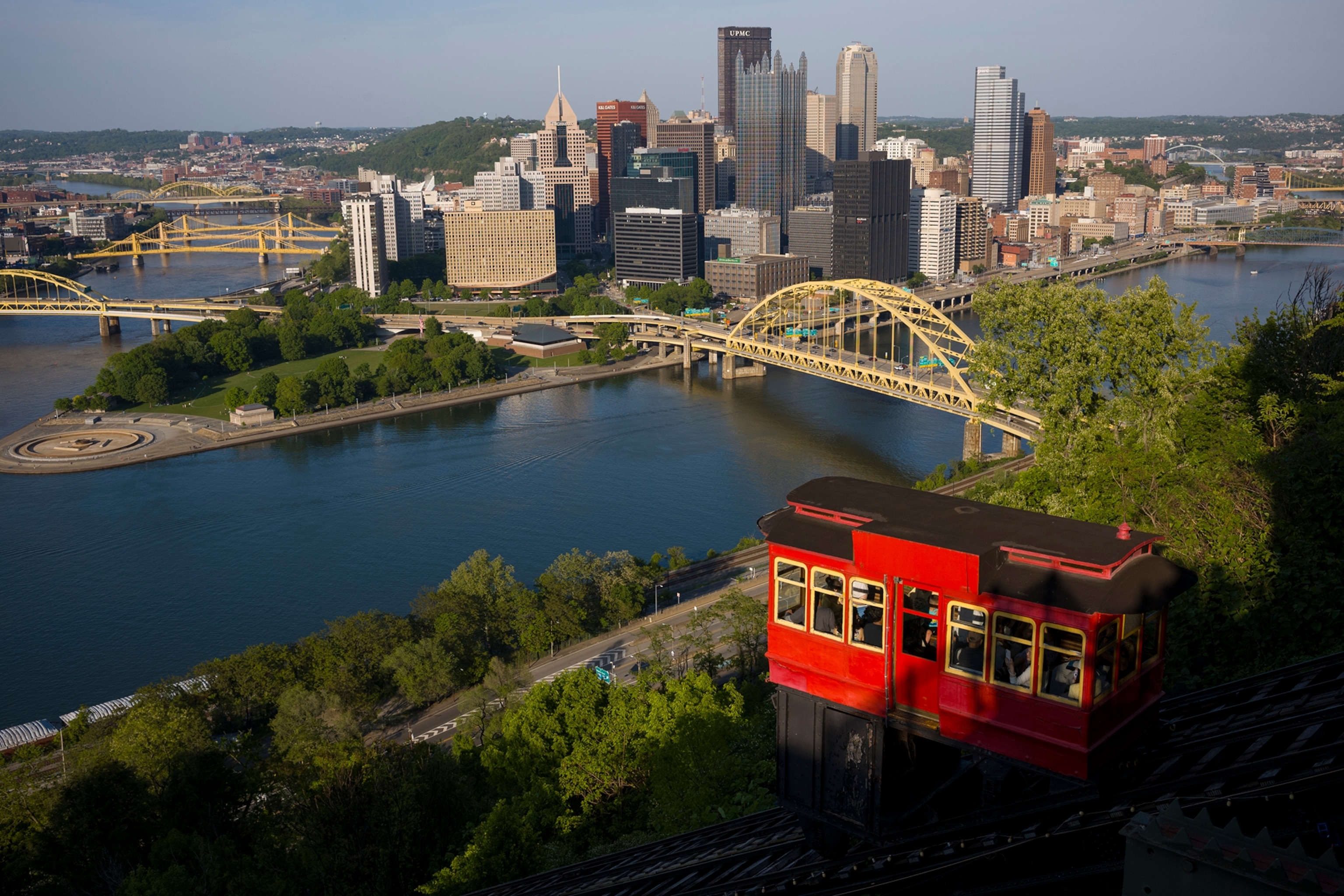
This architectural synergy extends to the city’s topography. Nestled at the confluence of three rivers and defined by its hilly terrain, Pittsburgh offers a dramatic, multi-layered urban experience. The city’s historic bridges, once purely functional conduits for industrial transport, have become iconic, golden-hued landmarks that frame the skyline. For the architecture enthusiast, a walk through Pittsburgh is a masterclass in how to honor the “Anatomical Nature” of a city’s history while integrating the sleek, clean lines of 21st-century residential and commercial design.
The Education and Innovation Engine
Beyond its visual appeal, Pittsburgh has leveraged its academic institutions—namely Carnegie Mellon University and the University of Pittsburgh—to pivot toward a knowledge-based economy. This shift has turned the city into a magnet for the world’s most brilliant minds in artificial intelligence, robotics, and biotechnology. Yet, what sets Pittsburgh apart from other “tech hubs” is the tangible influence of this intellectual capital on the city’s aesthetic and social culture.

The presence of these institutions has fostered an environment where “Refined Minimalism” meets “Mechanical Synergy.” This is evident in the burgeoning innovation districts, where laboratory spaces are designed with the same care as high-end residential suites, promoting an environment that is as intellectually stimulating as it is architecturally serene. For the visitor, this means a city that feels alive with purpose. It is a place where cutting-edge research feels integrated into the fabric of daily life, resulting in a community that values progress, sustainability, and the intersection of human logic with digital advancement.
Culture, Community, and the “New” Industrial Aesthetic
Pittsburgh’s cultural scene is as resilient and layered as its architecture. The city’s galleries and museums, housed within historic structures, offer a sophisticated look at both classic and contemporary art, often echoing the themes of transformation and industrial evolution. Neighborhoods like Lawrenceville and the Strip District have transitioned from working-class hubs to the centers of a “Noir-Avant” culinary and artisanal movement. Here, the local aesthetic focuses on natural textures, repurposed metals, and an understated elegance that feels remarkably grounded.
This is a city that does not shout for attention; it earns it through the quality of its offerings. Whether it is the serene, contemplative beauty of its urban park systems or the quiet sophistication of its independent design boutiques, Pittsburgh provides a retreat from the frantic pace of larger metropolises. It is a destination for the discerning traveler who values substance over spectacle, offering a glimpse into a future where industrial heritage is not a burden to be discarded, but a foundation upon which a more thoughtful, designed society is built.
A Blueprint for Post-Industrial Elegance
As we move further into 2026, Pittsburgh stands as a testament to the power of vision-led urban transformation. It challenges the conventional narrative of urban decline, offering instead a roadmap for how cities can reclaim their essence through design, education, and community-led renewal. For those interested in the nexus of architecture and social progress, Pittsburgh is not just a place to visit—it is a place to study.
:max_bytes(150000):strip_icc():focal(749x0:751x2)/pittsburgh-1-110525-06f8bd9535e5473d899b8cfa389edc81.jpg)
By successfully marrying the brute strength of its steel heritage with the soft, calculated intelligence of the modern age, Pittsburgh has secured its place as one of the world’s most interesting urban centers. It is a city that has stared down the barrel of obsolescence and responded with a vibrant, meticulously designed renaissance. For the traveler, the scholar, or the design enthusiast, Pittsburgh is a reminder that even the most grounded landscapes can reach for the heights when guided by purpose, resilience, and an unwavering commitment to the beauty of innovation.