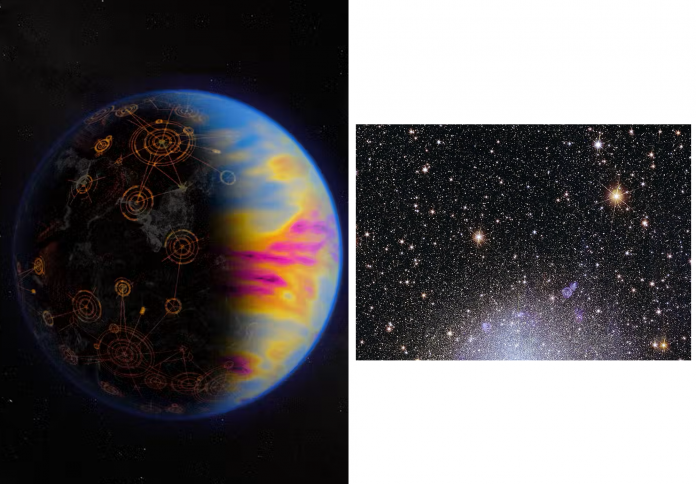
The cinematic release of “Project Hail Mary” in March 2026 has reignited a profound global conversation about the nature of extraterrestrial life. Adapted from Andy Weir’s celebrated 2021 novel, the film introduces audiences to a scientifically grounded vision of the cosmos, where the inhabitants of other star systems—from energy-harvesting space microorganisms to ammonia-breathing, rock-like entities—defy our traditional biological benchmarks. While Hollywood often populates its starscapes with carbon-based, humanoid figures, this film intentionally challenges our anthropocentric biases. By exploring life-forms that exist outside the “Goldilocks Zone” and function through non-aqueous chemistries, the narrative forces us to confront the limitations of our own astrobiological definitions, prompting a necessary re-evaluation of how we search for signatures of life in an unimaginably diverse universe.
Breaking the Goldilocks Paradigm
For decades, the search for extraterrestrial intelligence (SETI) has been largely constrained by a singular premise: that life requires the same conditions that sustained its evolution on Earth. This “Goldilocks” approach prioritizes planets with liquid water and Earth-like temperatures, assuming that complex biology is inextricably linked to the chemical pathways we observe in our own biosphere. However, as the science presented in “Project Hail Mary” suggests, this may be a narrow starting point.
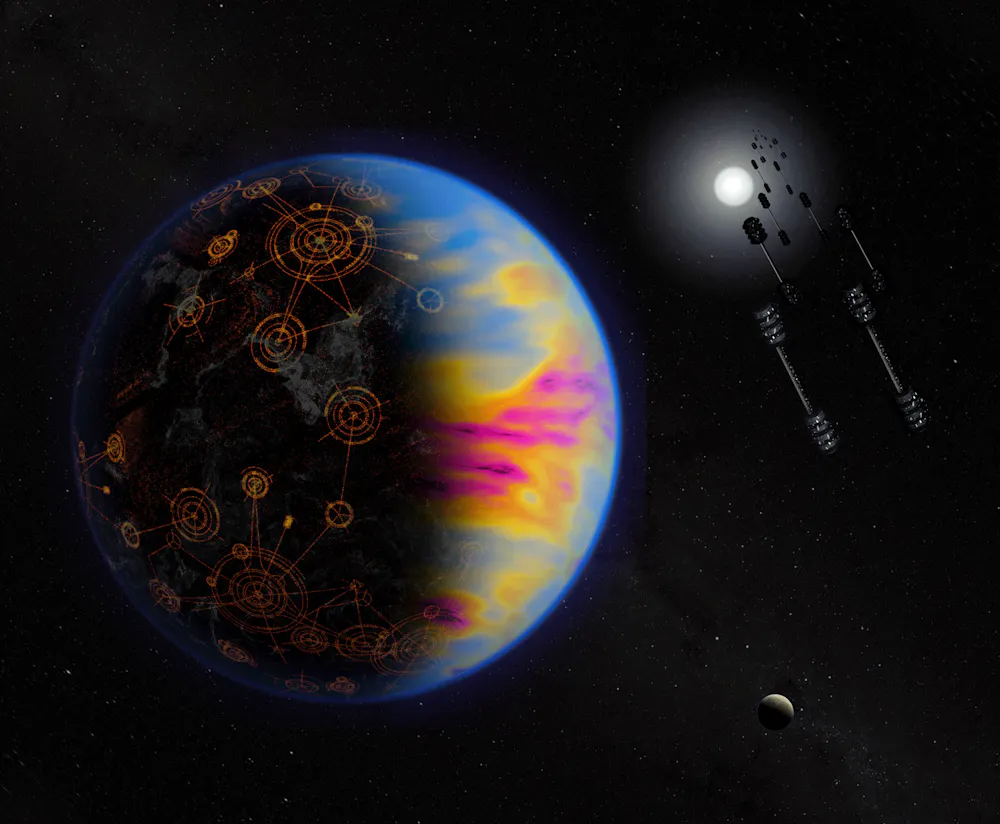
The film poses a challenging question: why must life be limited to carbon and water? Astrobiologists are increasingly considering the possibility that life could emerge in vastly different chemical environments—such as those rich in methane, ammonia, or even silicon-based architectures under extreme pressure. By focusing exclusively on terrestrial proxies, we may be systematically overlooking environments that are hostile to Earth-like life but perfectly hospitable to other forms of biological organization. The scientific shift towards “agnostic biosignatures”—signs of life that don’t rely on specific metabolic byproducts—is the logical progression of this expanded thinking.
The Resilience of Radical Biochemistry
The “rock-like” aliens depicted in the film serve as a masterclass in speculative biology. By surviving in environments characterized by crushing pressure and ammonia-based respiration, these entities challenge the biological “norms” that dictate our understanding of energy consumption and structural integrity. In our own solar system, the icy moons of Jupiter and Saturn, such as Europa and Titan, offer tantalizing hints that life might indeed flourish in environments where solar energy is scarce and chemical extremes are the rule.
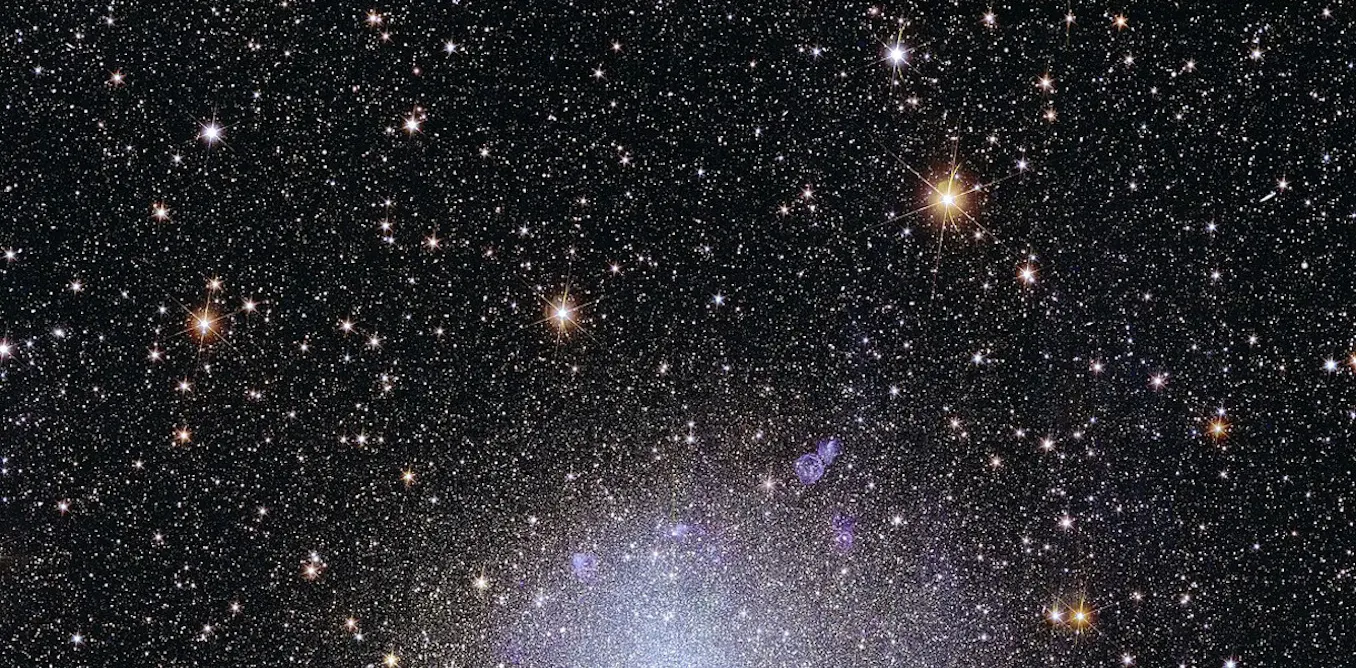
These extraterrestrial forms remind us that biology is essentially a solution to a problem, and the “problem” of existence changes depending on the stellar environment. If life is an emergent property of matter, then its manifestations will be as varied as the conditions of the stars themselves. The film effectively dismantles the idea that “primitive” or “advanced” life must resemble our own, replacing it with a vision of a universe where biological diversity is limited only by the laws of physics, not by our terrestrial imaginations.
Intellectual Humility in the Face of the Unknown
Perhaps the most compelling takeaway from the “Project Hail Mary” narrative is the importance of intellectual humility in scientific exploration. When protagonist Ryland Grace discovers that his initial assumptions about extraterrestrial biology are entirely incorrect, he is forced to abandon his rigid hypotheses. This process mirrors the real-world evolution of astrobiology: as our technology—from the James Webb Space Telescope to upcoming missions to the icy moons—provides us with more data, we are increasingly humbled by how little we truly understand about the prevalence and variety of life.

The film serves as a catalyst for a broader societal shift in how we conceive of “aliens.” It moves the conversation away from the search for “someone like us” and towards a more expansive, inclusive scientific inquiry. By preparing ourselves for the possibility that life might look nothing like what we expect, we become better equipped to recognize it when—or if—we finally encounter it. In the vast, starry void, the most powerful tool for discovery is not a bigger telescope or a more sensitive sensor; it is the courage to admit that our current definitions of life may be the very thing keeping us from seeing the truth.